Booking a Visit
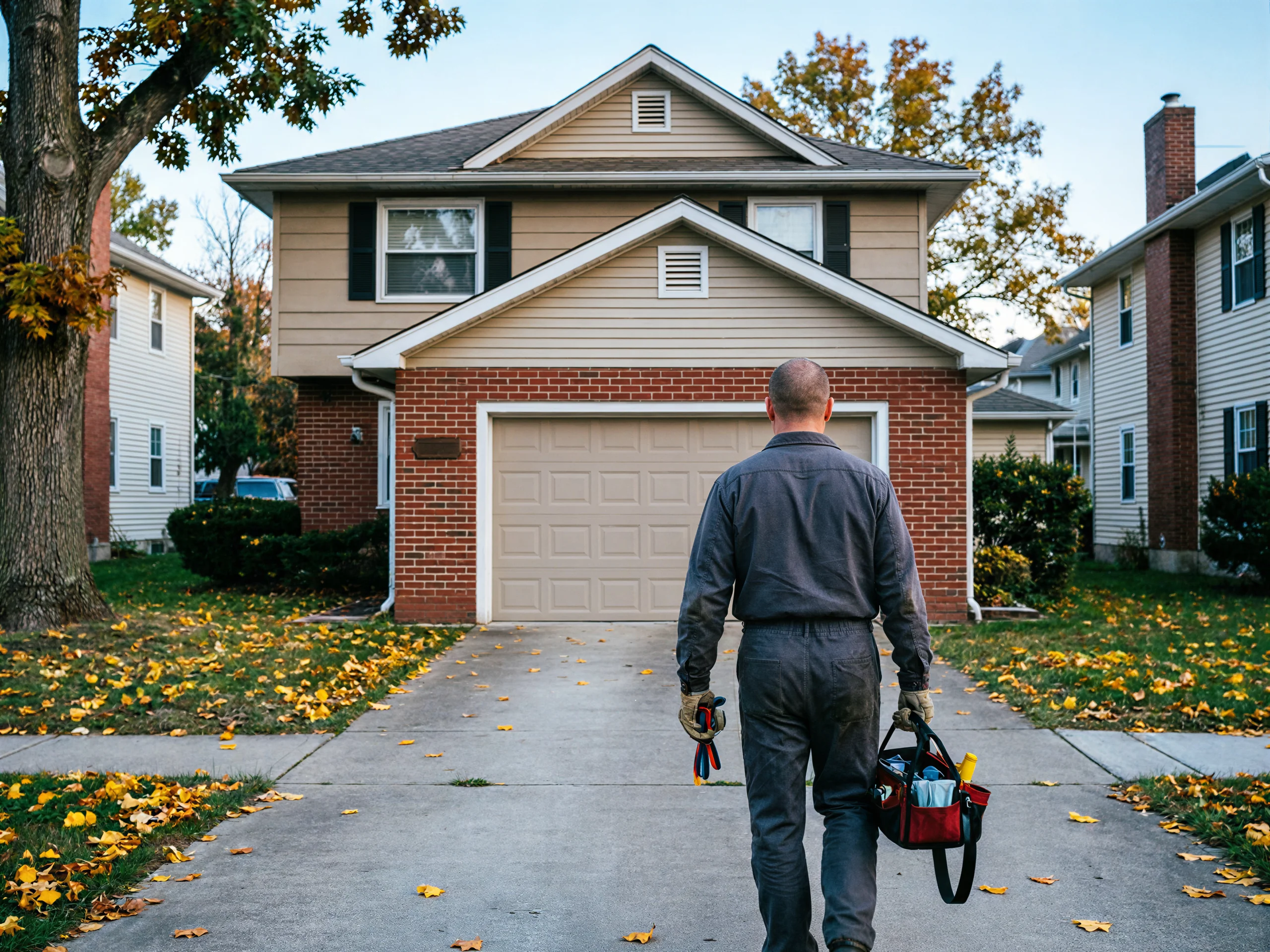
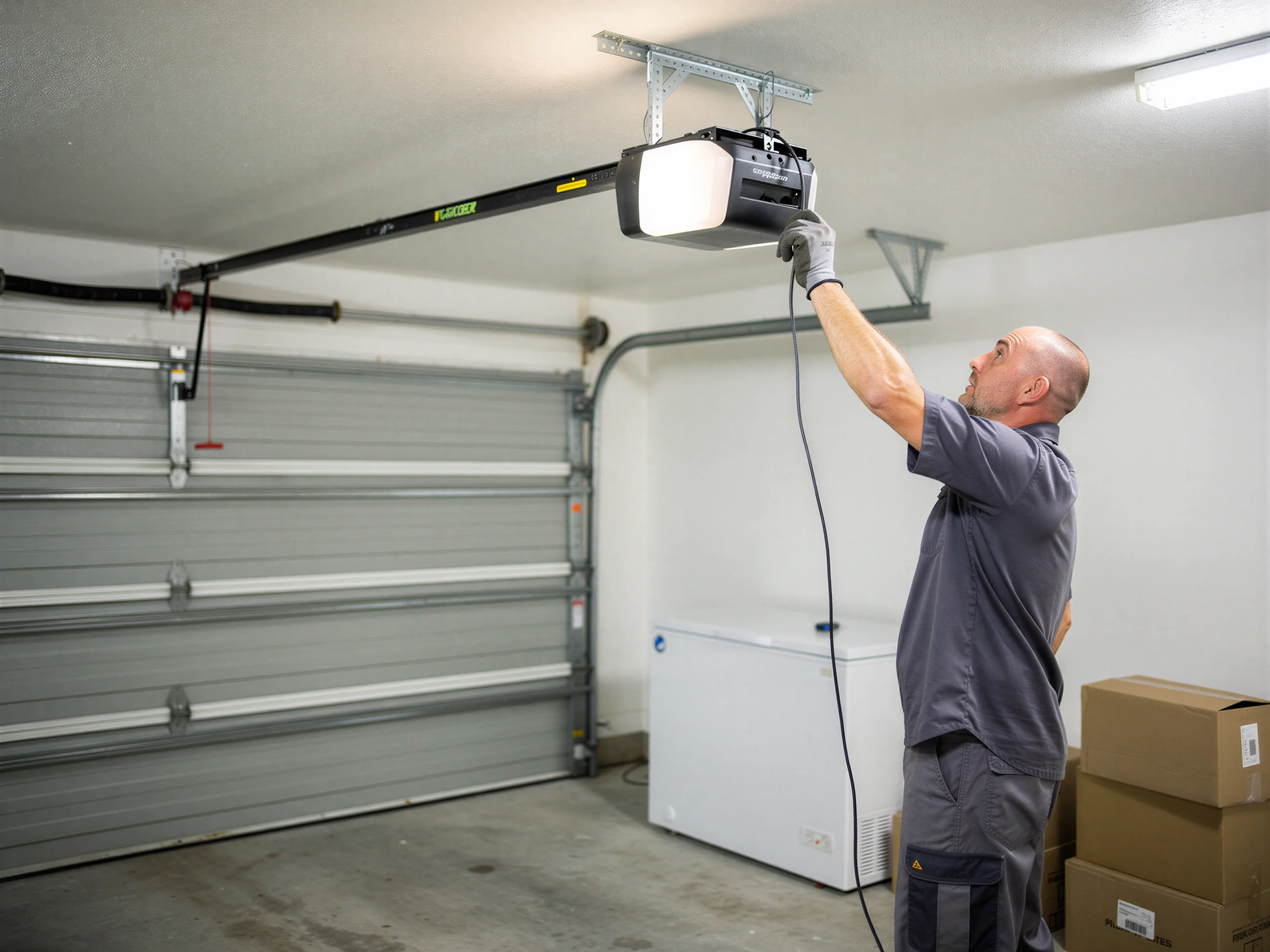
DeWitt is a small town by the numbers - 2,142 households, not the sprawl you get closer to the river. That matters for how we schedule: we don't keep a crew sitting in DeWitt waiting for calls, we run the truck out from Bettendorf, about 18 miles. That means we book the visit for a window rather than same-hour, and we ask what you've got on the door now (chain, belt, screw drive, or nothing at all) before we load the truck, so we bring the right opener and the right mounting hardware the first time instead of making a second trip for a part. A town this size doesn't generate the daily call volume to justify a local yard, so the drive is built into how we price and schedule the job, not an afterthought. If you're on a tight morning schedule, say so when you call - we'll tell you honestly whether that day works before you take time off.
The DIY Question
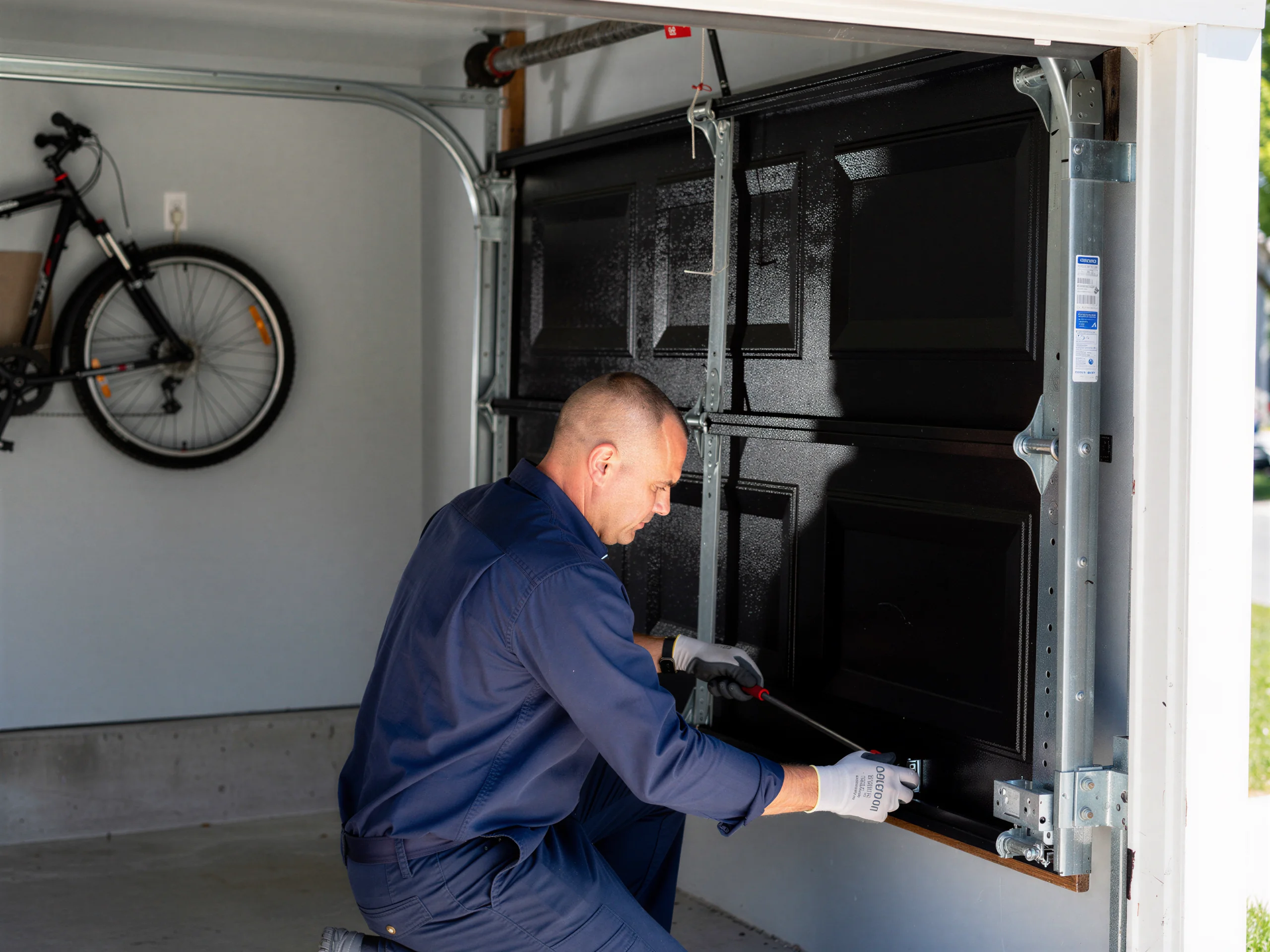
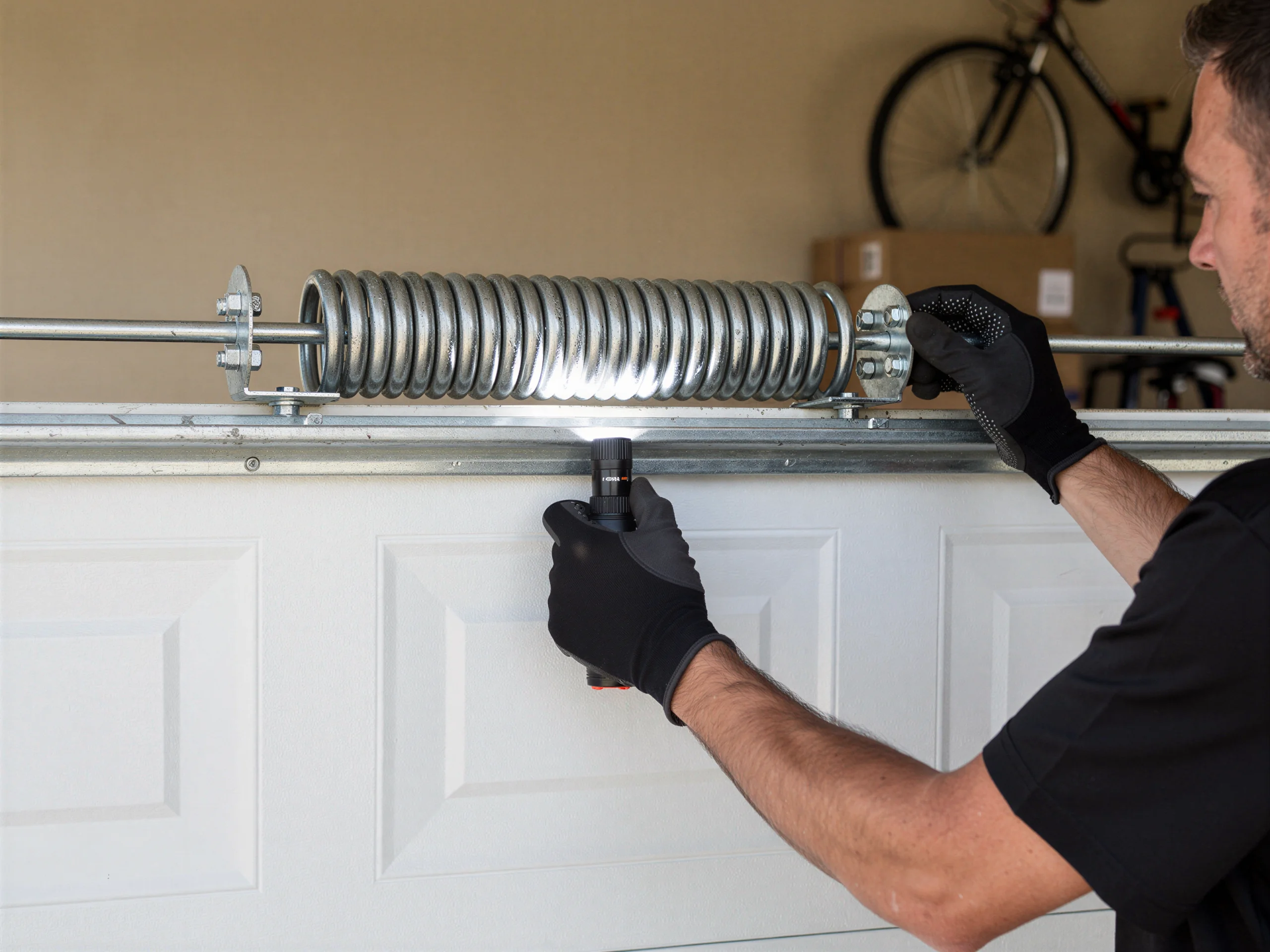
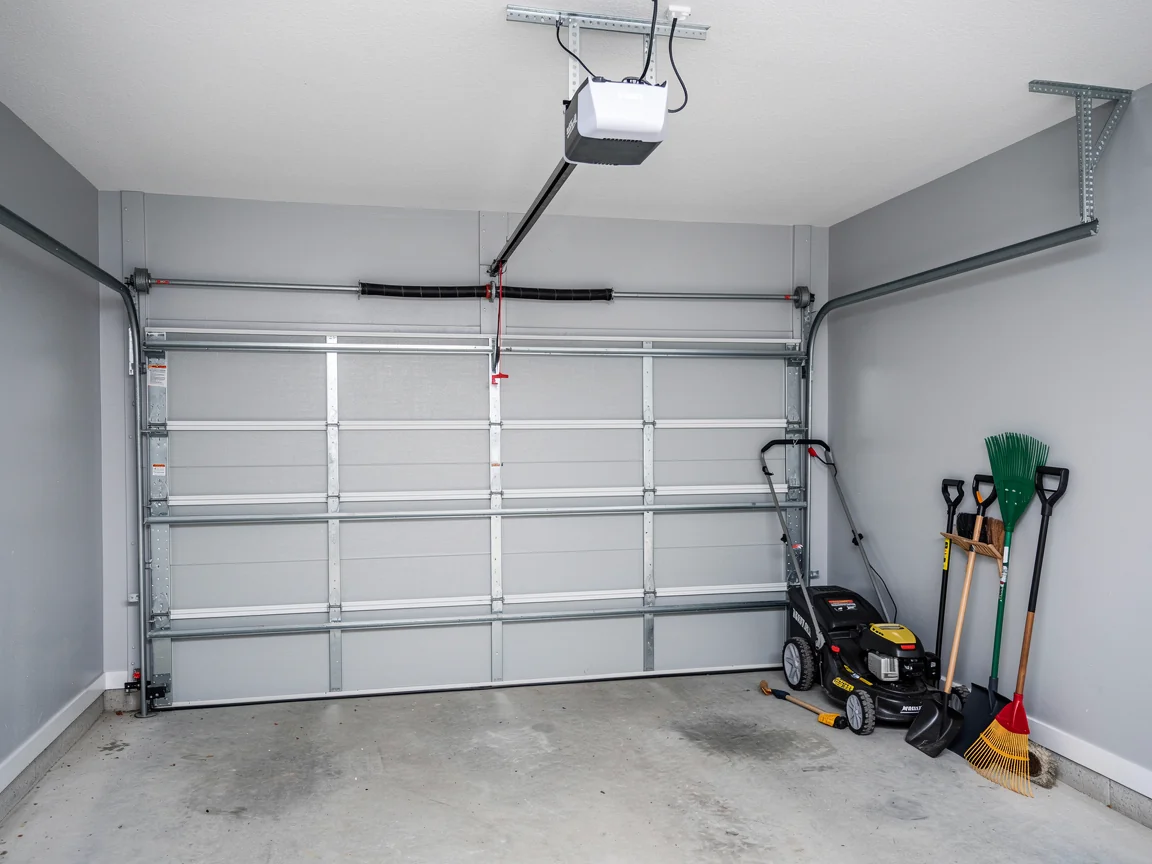
A chain or belt opener swap looks like a weekend project on video, and on a door with light springs and good tracks, it can be. The part that trips people up in a town where most houses date to around 1975 is the door itself - it's heavier than what today's openers are boxed to lift without adjustment, and the travel limits on an older track rarely match a new unit out of the carton. Get the force setting wrong and the opener will either strain against a door that's binding, or reverse on a door that isn't actually stuck. We'll say plainly: if your garage still has its original torsion spring setup from that era, that's not a DIY opener swap, that's a two-person job with the right bars, and we'd rather you call than end up in the ER with a spring under tension. If your hardware is already modern and in good shape, a straightforward opener-only swap is reasonable to do yourself.
What the Fix Involves
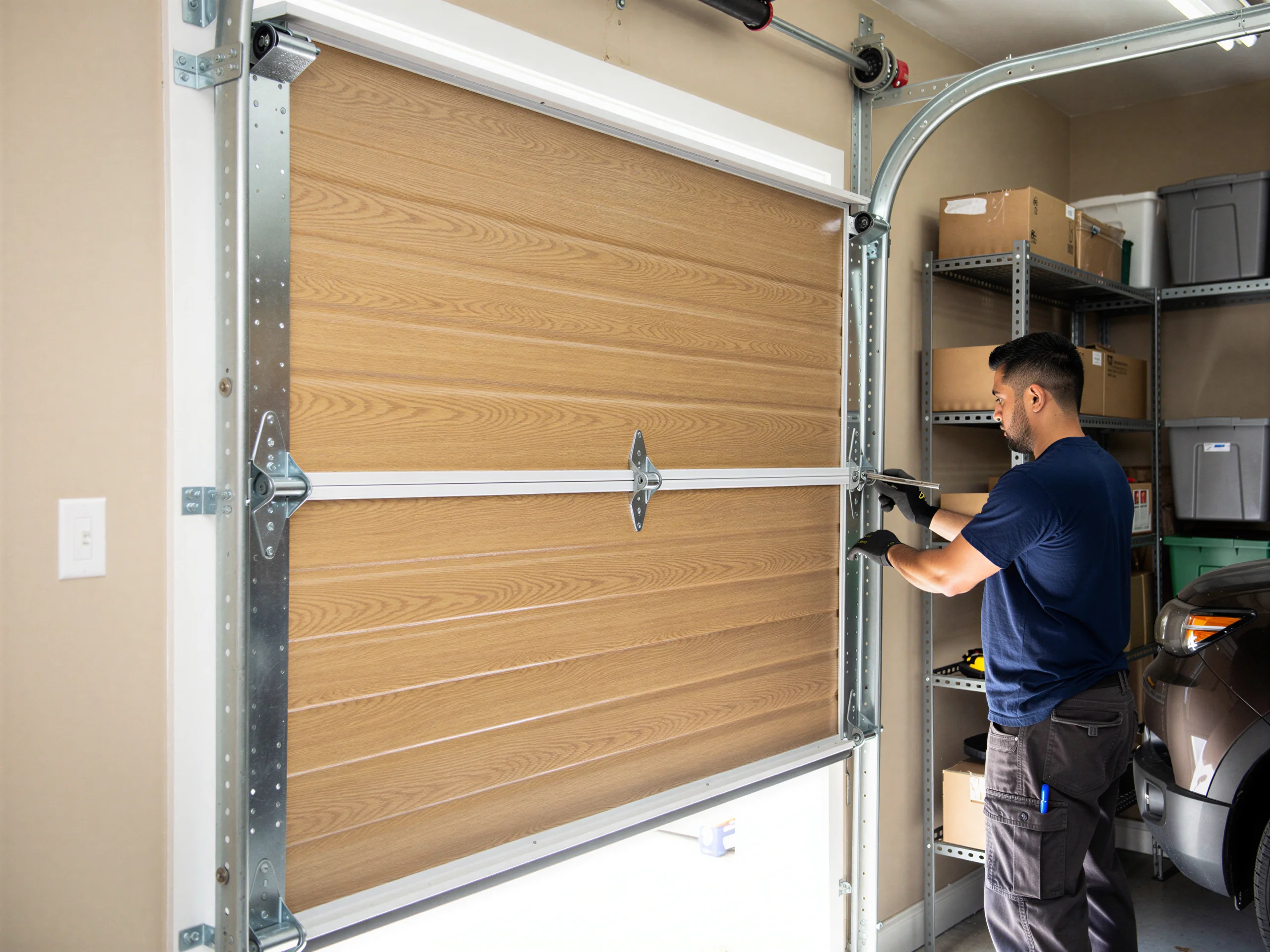
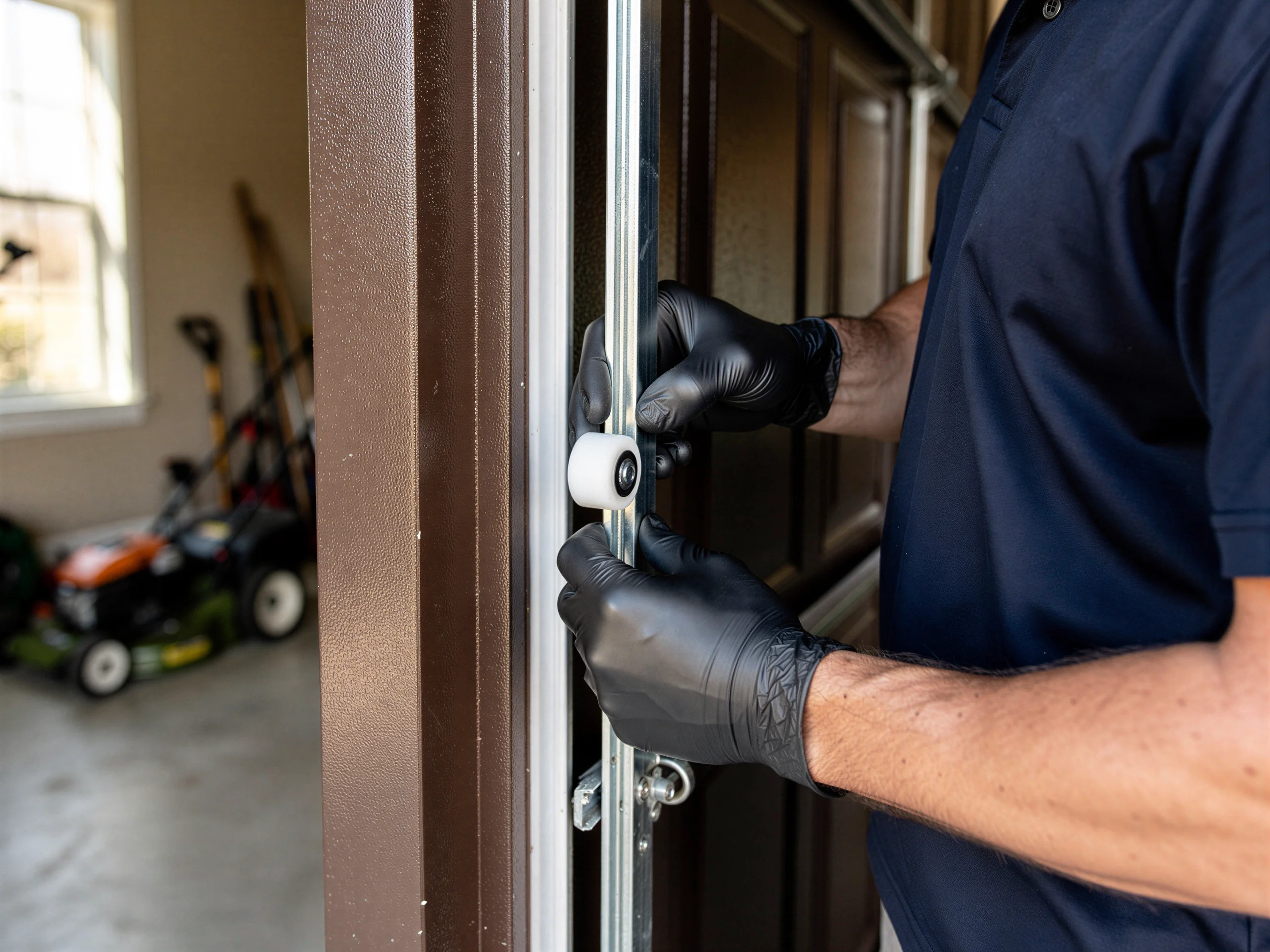
On a 1975-era door, the first thing we check isn't the opener, it's what it's bolting to - header clearance, the condition of the track, and whether the door's own springs are still doing their job.
Square track before opener
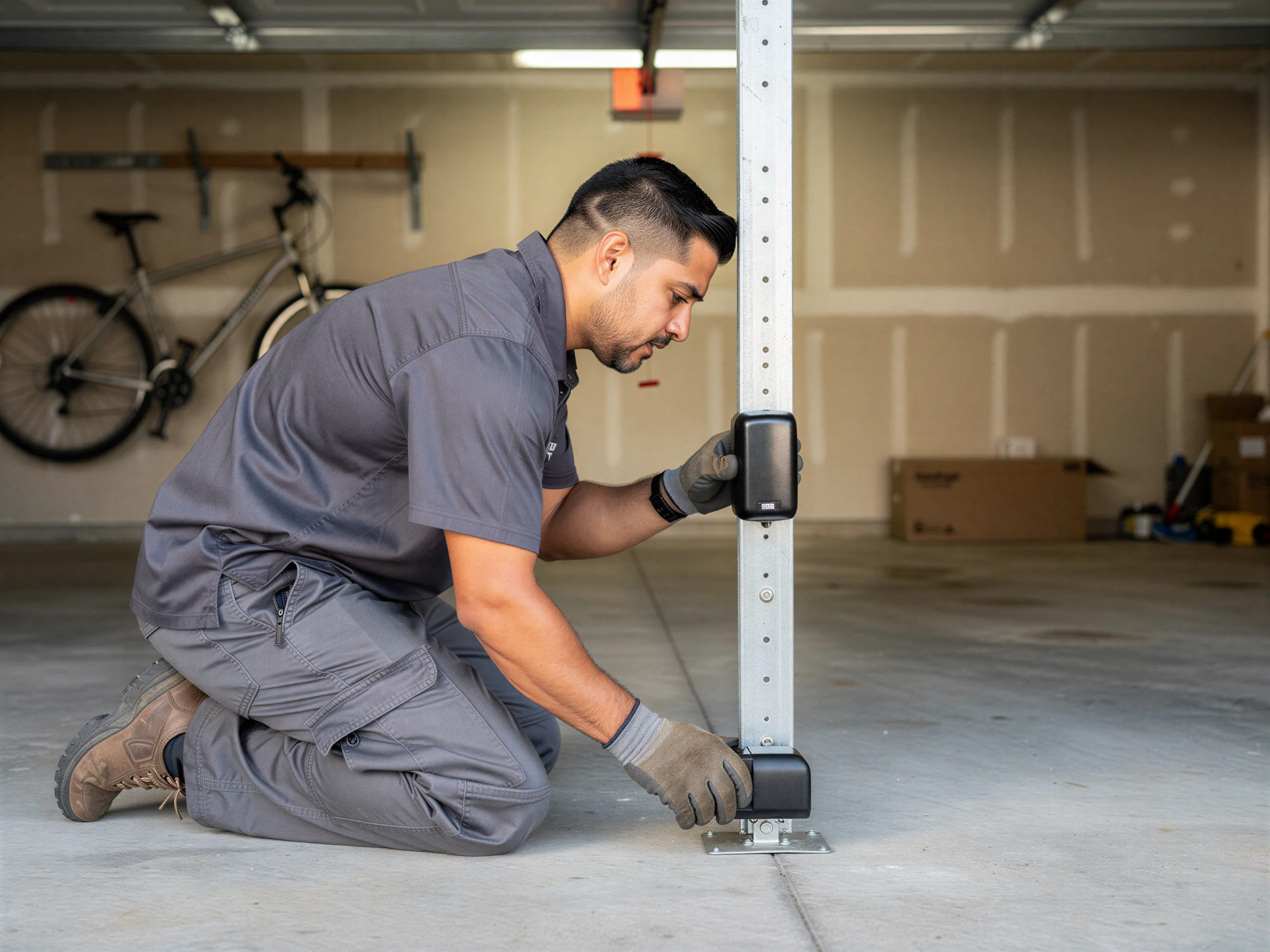
A new opener forced onto a track that's slightly out of square will work for a few months and then start slamming or reversing. We set the travel limits to the actual door, not a factory default, wire in the safety sensors at the height code expects, and test the auto-reverse with real resistance, not just a push with a hand.
Belt or screw drive
For households in this area, we're usually swapping a tired chain-drive unit for a quieter belt or screw drive, since the wiring and header in a house this age usually doesn't need rework - just a new bracket position. We haul off the old opener and the rail unless you want to keep it for parts, which some owners do out here.
What Causes It Around Here
This area sits in a cold climate band, and that's the opener killer more than age alone. Grease that's fine in August turns stiff in January, and a chain-drive unit from the 1970s-90s that's never been relubed will grind, skip a tooth, or just stop lifting on the coldest mornings - right when you need the garage most. Gear-reduction units from that stock wear out their plastic drive gear eventually regardless of climate, but the cold cycling is what finishes them off early here. We also see openers that were sized for a lighter door than what's actually hanging - common when a door got replaced at some point but the opener didn't, which happens a lot across houses built mid-70s and later. None of that is DeWitt-specific superstition; it's just what cold plus original-era hardware does to a motor over forty-some years.
Talk to a local pro
Garage door service in Bettendorf?
Same-day service with honest, upfront quotes.