Booking a Visit
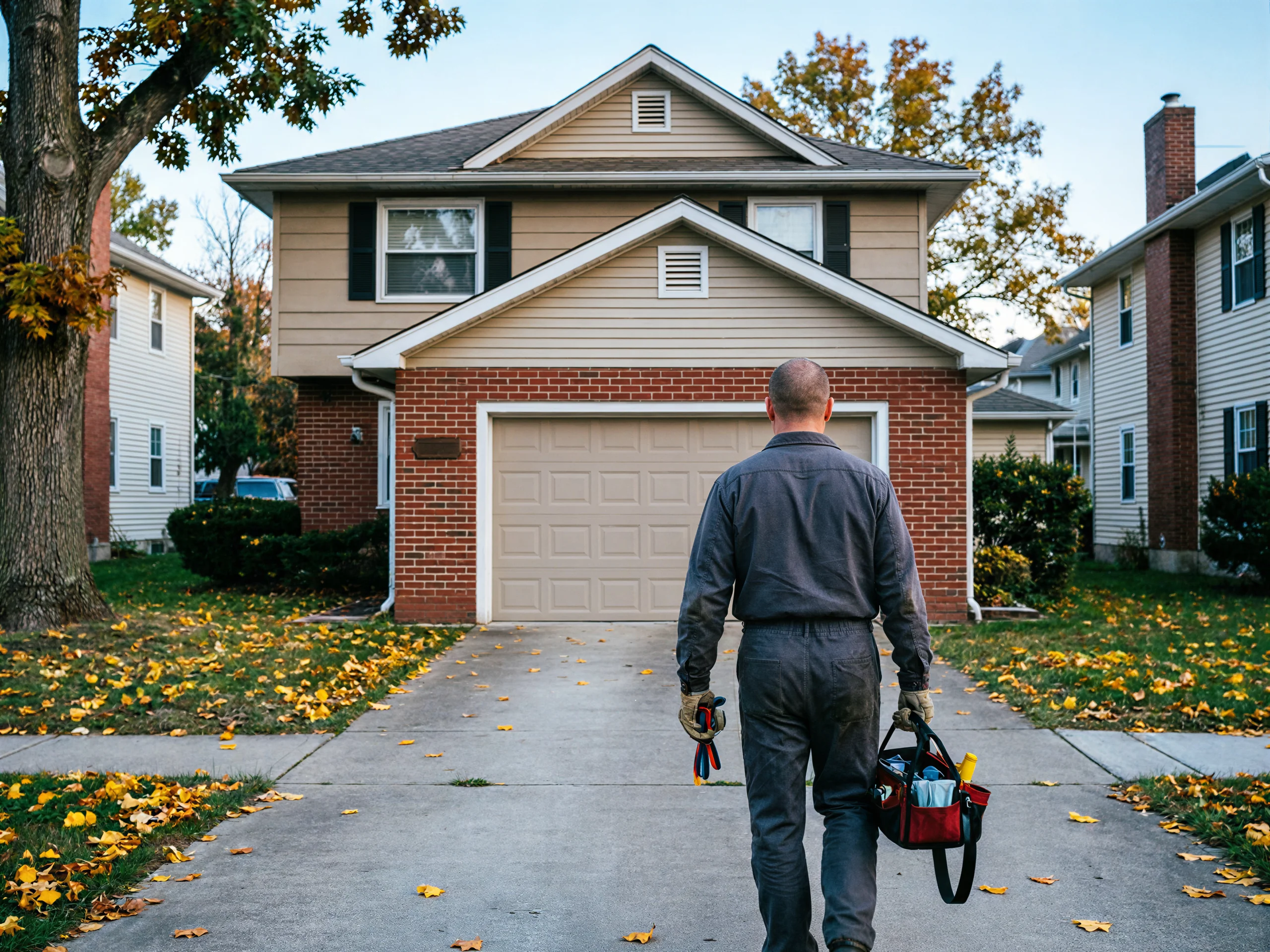
We run installation jobs out to DeWitt from our Bettendorf shop, about 18 miles down the road. That means we don't keep a crew sitting in town waiting on calls - a new door install gets scheduled, not walked-in-on, so plan on booking ahead rather than expecting same-day.
Single-day swap timing
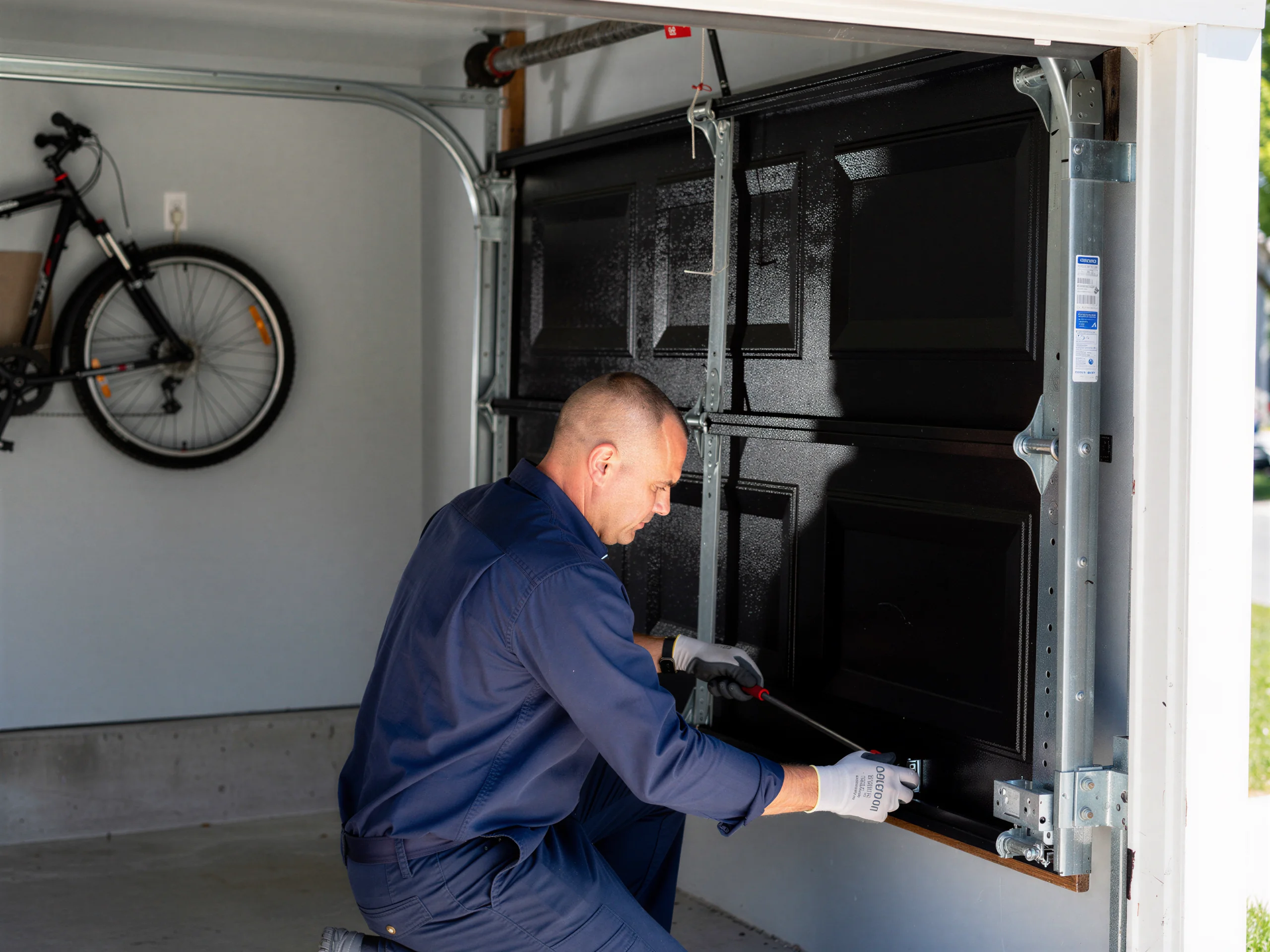
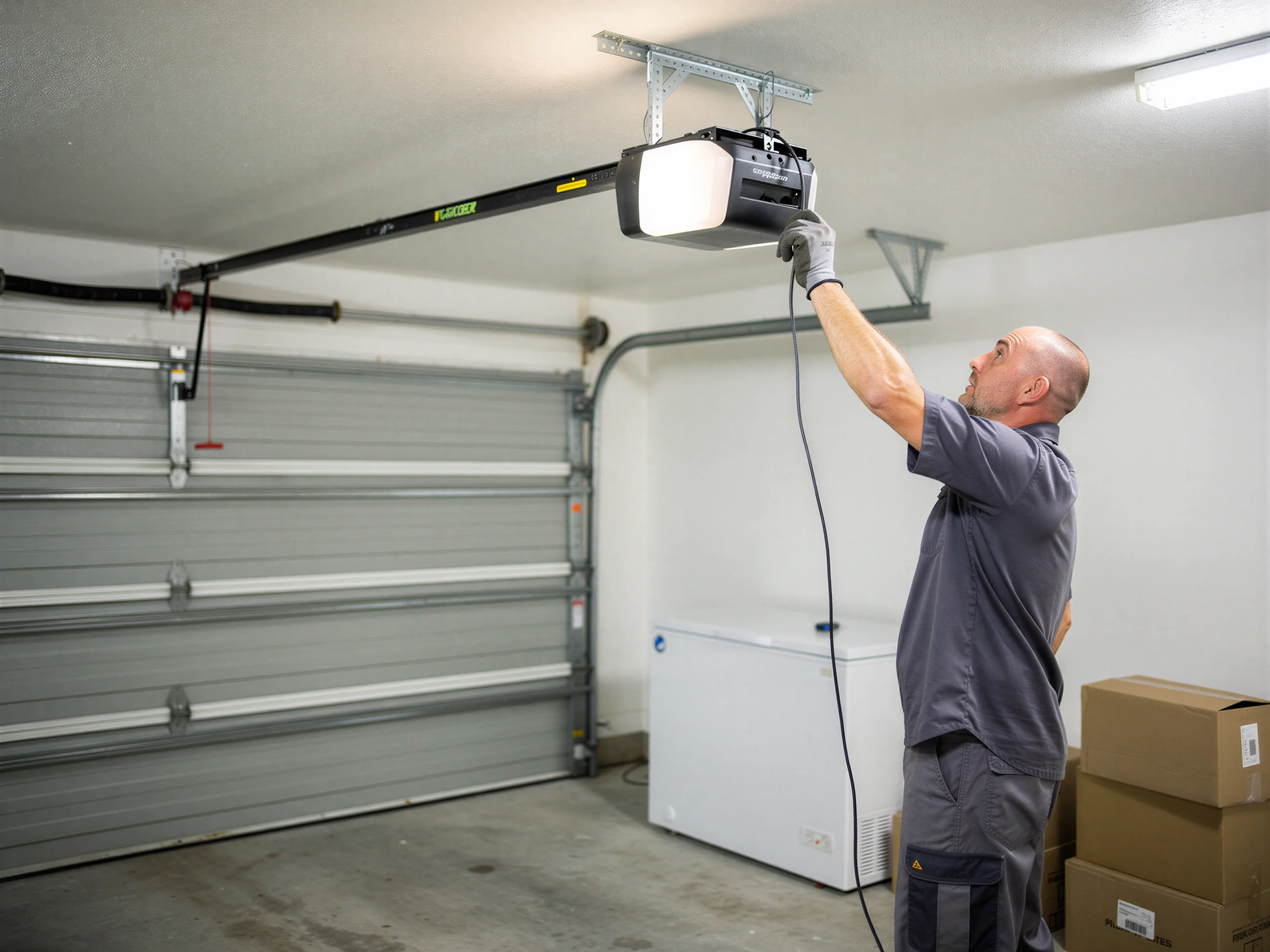
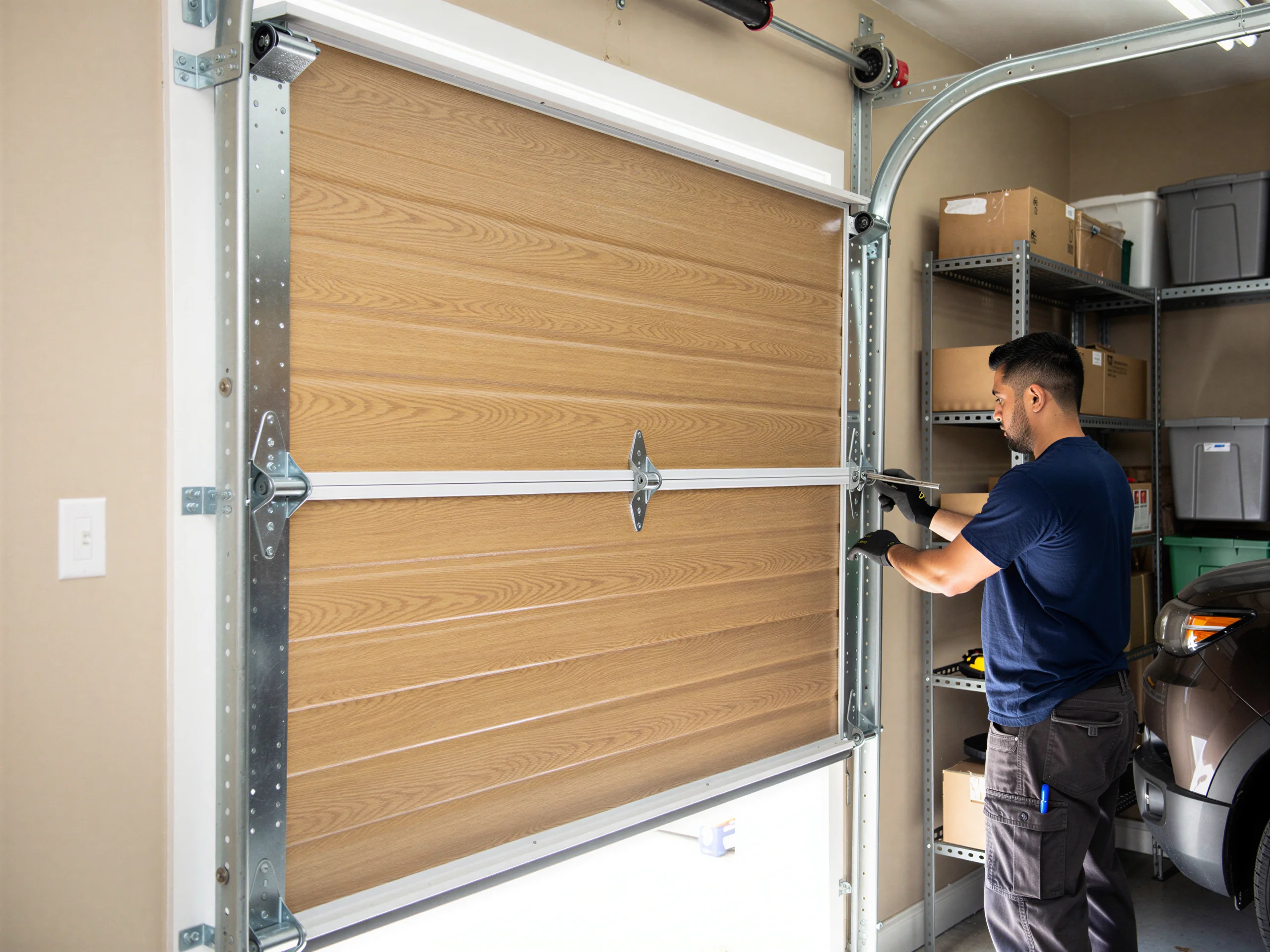
Once we're on site, a single door swap is usually a one-day job: old door and track out, new door, new opener if you're replacing that too, hardware set and balanced.
Flexible day for slots
Because DeWitt sits on the far edge of our coverage, we batch jobs out this way when we can, which sometimes means a little flexibility on the exact day helps us get you a better slot. We'll give you a real window when you call, not a vague promise.
Stopgap repair decisions
If you're also dealing with a broken spring or a door that's stuck in the meantime, say so - we'll figure out whether that's a stopgap repair or whether it's worth just moving the install date up. We serve the DeWitt area as part of our regular coverage; you can see the rest of the towns we reach from Bettendorf on our service area page.
The DIY Question
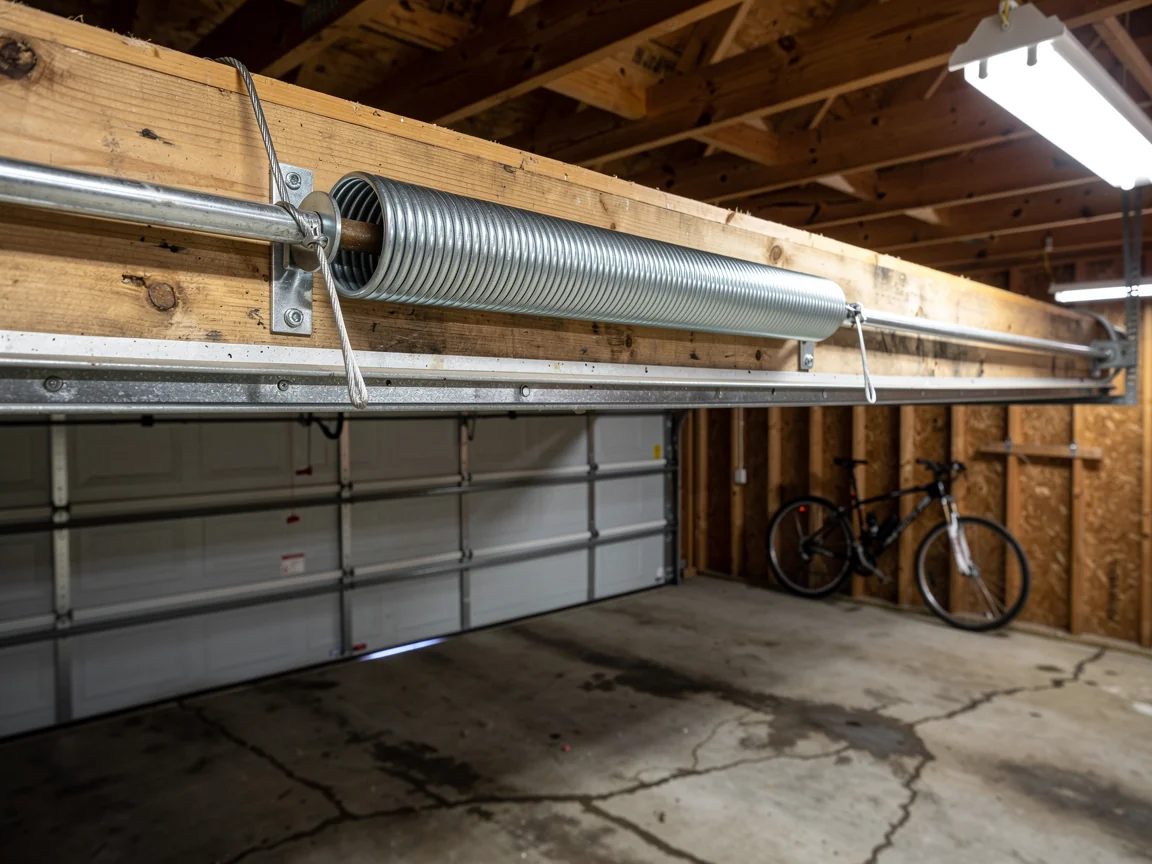
A garage door itself - the panel section, the track, the springs under tension - is not a weekend bolt-together project, and that's true everywhere, not just here.
Steel sectional era
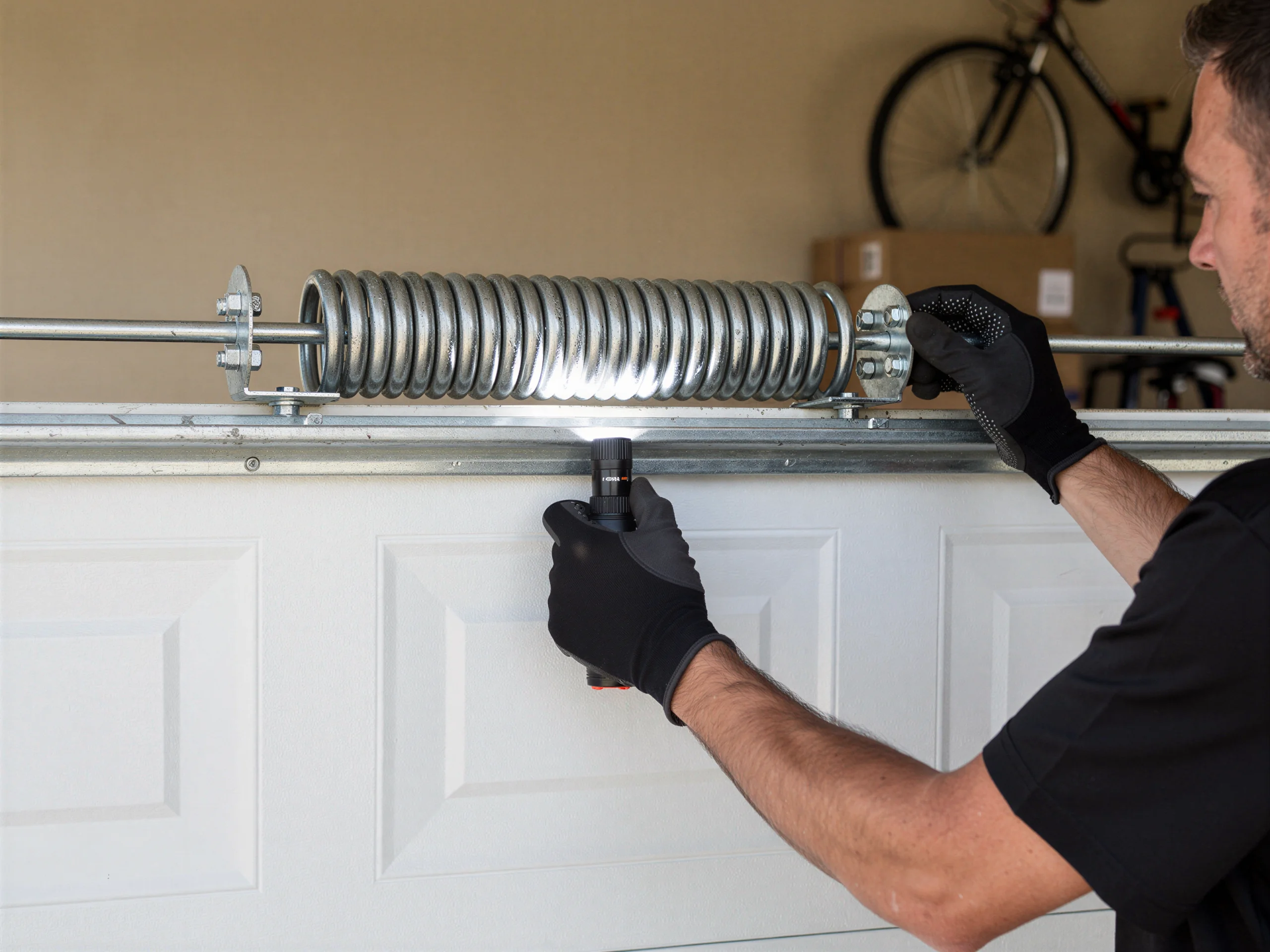
What is specific to DeWitt is what you're replacing: most houses in this area went up around 1975, which puts the original or first-replacement door solidly in the steel sectional era, usually on a single torsion spring setup that was standard then but isn't what gets installed new today.
Mixing new panels onto old
If your plan is to swap the door yourself and keep the existing track and spring, know that a lot of 1970s-era hardware doesn't match current door weights or the opener hardware that pairs with it. Mixing new panels onto old track is where DIY installs usually go sideways - the door binds, the opener strains, or it just doesn't seat right in the frame.
Measuring and style selection
We're not going to tell you every part of this job needs a pro - measuring your opening and picking a door style is something you can do on your own before you ever call anyone. Where we draw the line is the spring and track work. That's where we come in, and honestly, that's most of the job anyway.
What the Fix Involves
On a 1975-vintage DeWitt house, a full installation usually means more than hanging a new door. The opening itself is often sized for the narrower single or wider double doors common to that build era, so the new door has to be matched to the existing frame, not just ordered off a generic size chart. We check the track alignment, the header clearance, and whether the jamb has settled any over the decades, which it often has by this point.
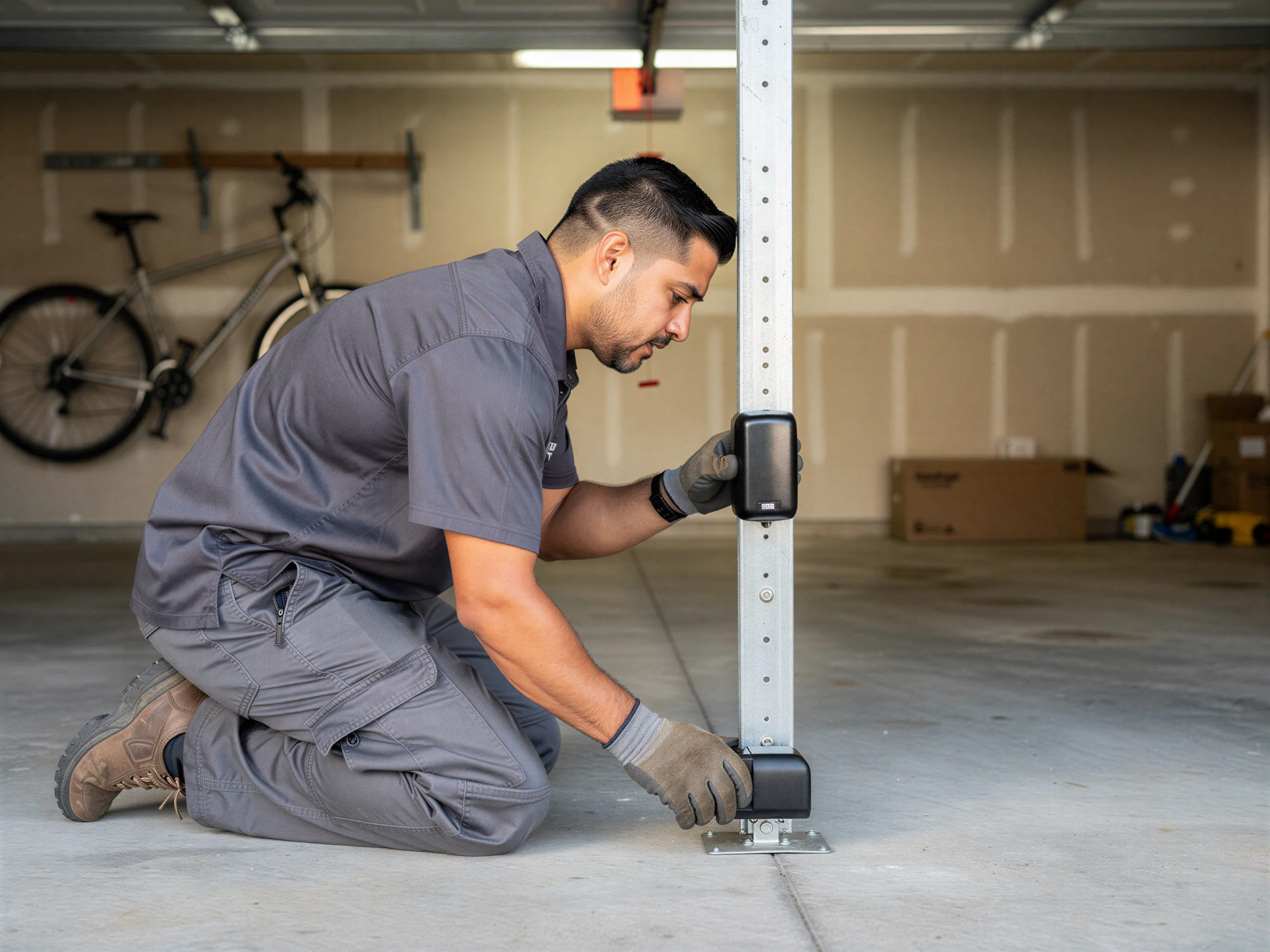
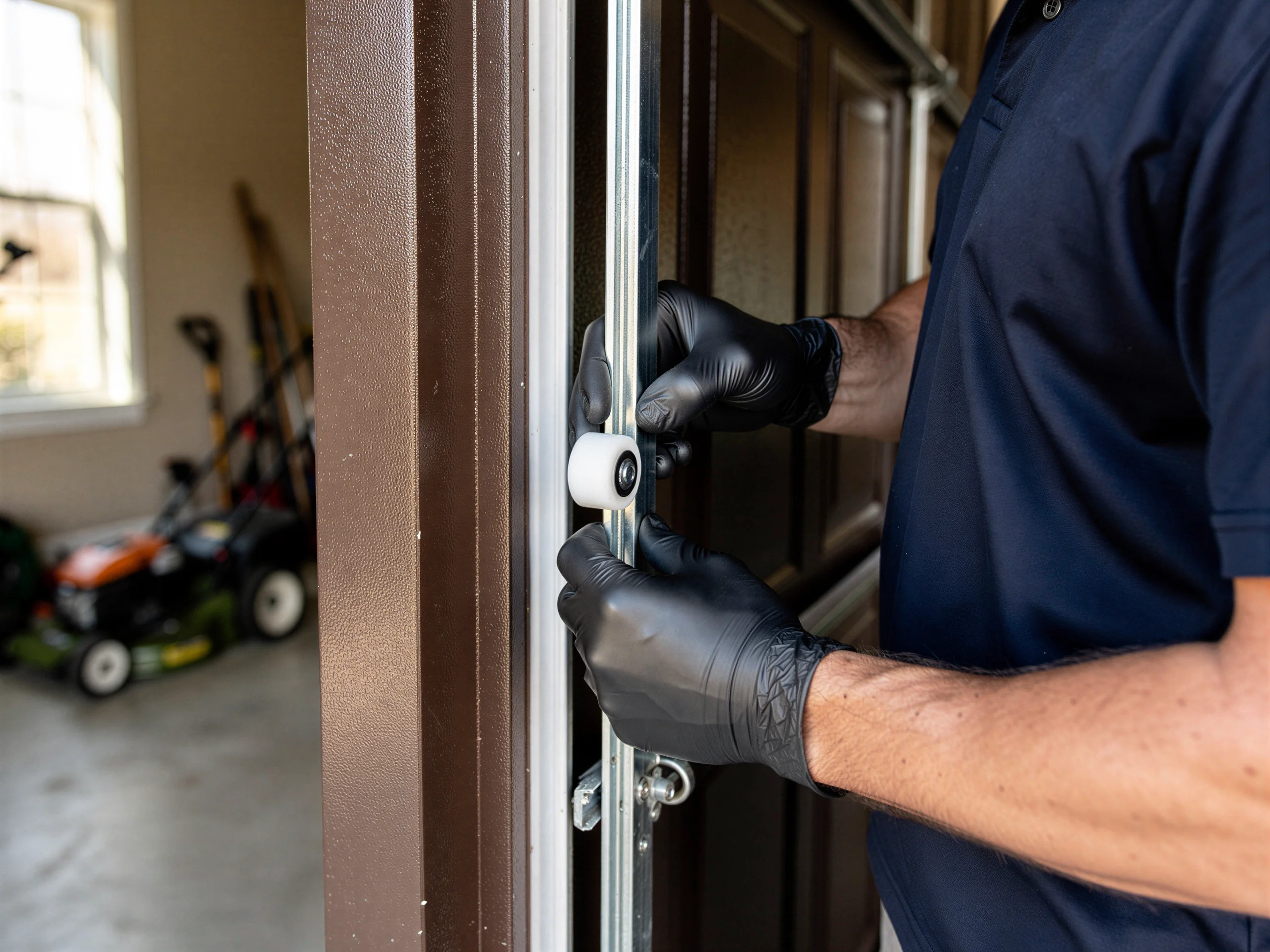
Spring sizing gets picked for the new door's actual weight, not whatever was on the old one - insulated steel doors common now weigh more than the thin single-skin panels these homes started with. We set new rollers, new cable drums, and balance the door so the opener isn't doing more lifting work than it should.
One thing we're upfront about: if the opening itself is out of square or the framing needs carpentry work beyond the door itself, that's outside what a garage door install covers, and we'll tell you so rather than force a door into a bad frame. For the broader rundown of what installation includes across our service area, see our main installation page.
What Causes It Around Here
DeWitt sits in a cold-winter climate band, and that matters more for a door built in 1975 than it does for one installed last year. Older single-skin steel doors have little to no insulation value, so in a garage that shares a wall with living space, that uninsulated panel is working against your heating bill all winter. It also means the steel is prone to more flex and noise in hard cold, since there's no foam core to stiffen the panel.
Age is the other factor. A door installed when these DeWitt neighborhoods were first built is now pushing fifty years old, and at that point it's not really a question of whether the hardware is original - it almost always is. Tracks warp, hinges wear oblong, and the steel itself can have rust starting at the bottom panel where water sits. None of that is a DeWitt-specific defect; it's just what fifty winters do to a garage door, and it's why replacement, not another patch repair, is usually the right call once a door's gotten to this age.
Talk to a local pro
Garage door service in Bettendorf?
Same-day service with honest, upfront quotes.