The Symptom
The opener still runs, but something's off. It grinds longer than it used to before the door moves. The light blinks and the door reverses halfway up for no reason you can see.
Remote stops responding
Sometimes it just stops responding to the remote until you unplug it and plug it back in, like a stubborn router. This isn't one symptom, it's several, and in Bettendorf they tend to show up together once a house crosses a certain age.
Mismatched drive systems
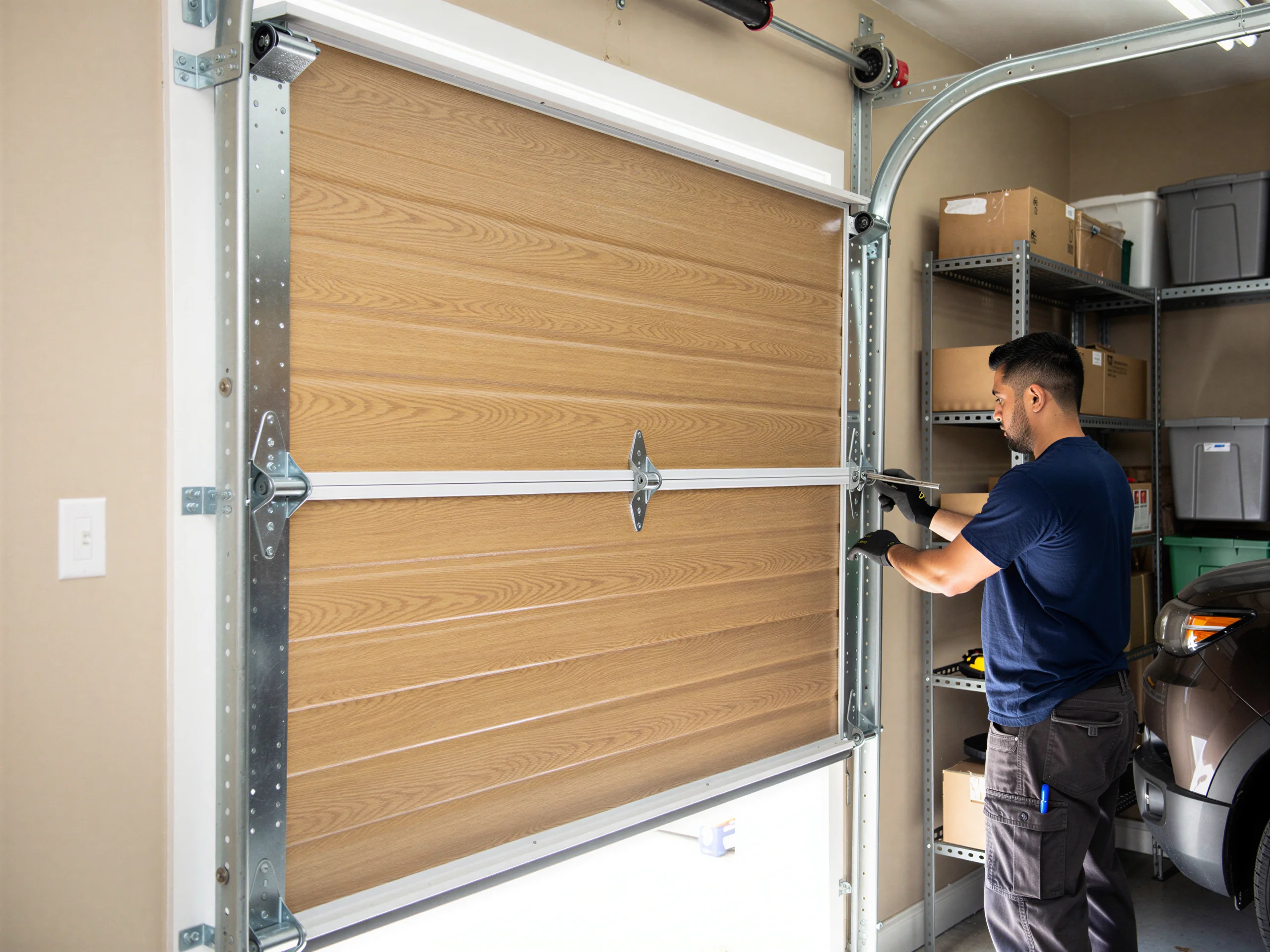
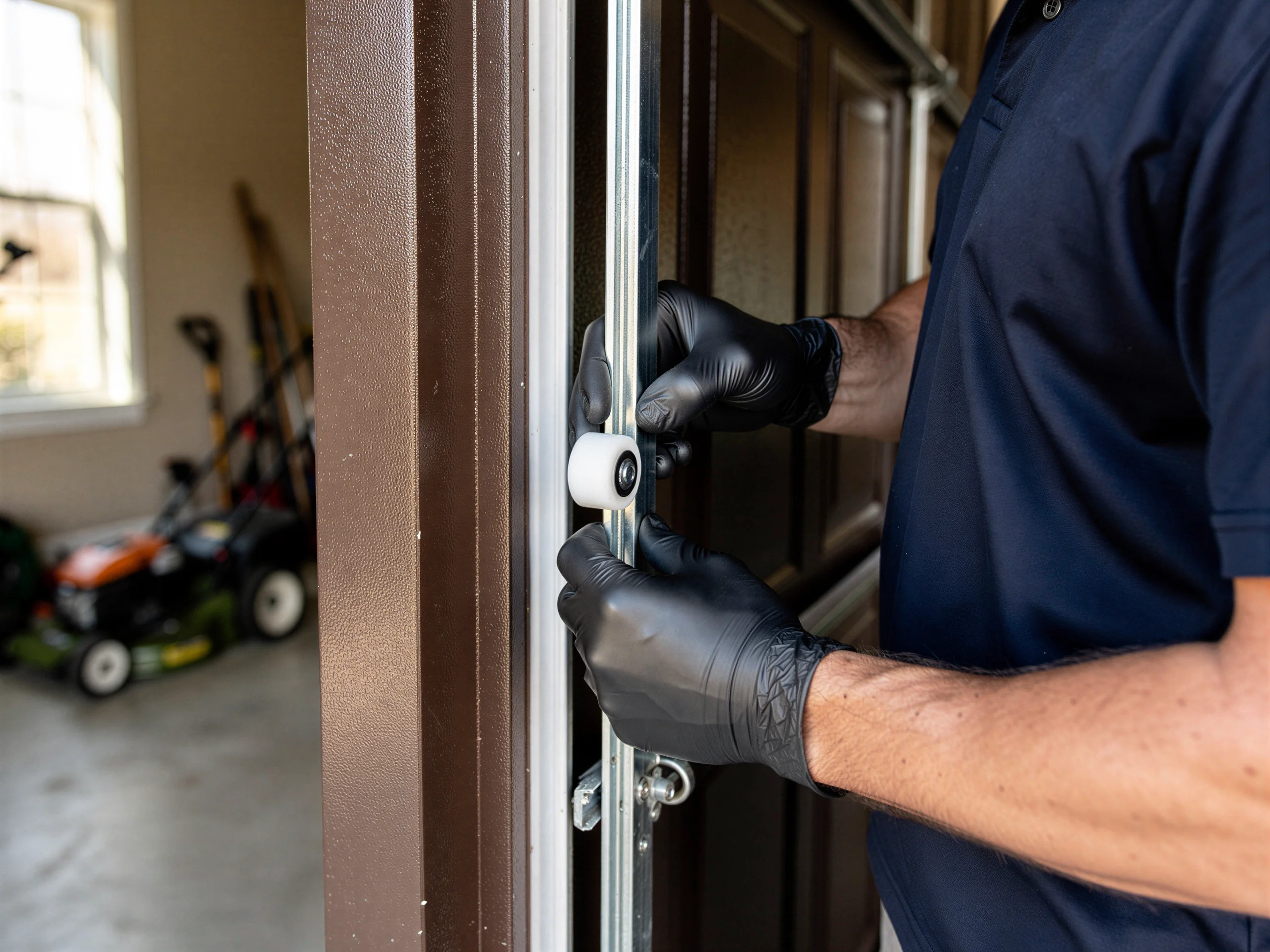
An opener that's struggling isn't always a dying motor. Half the time the opener is fine and it's compensating for a door that's gotten heavier to lift, or a drive system that was never matched to the door in front of it.
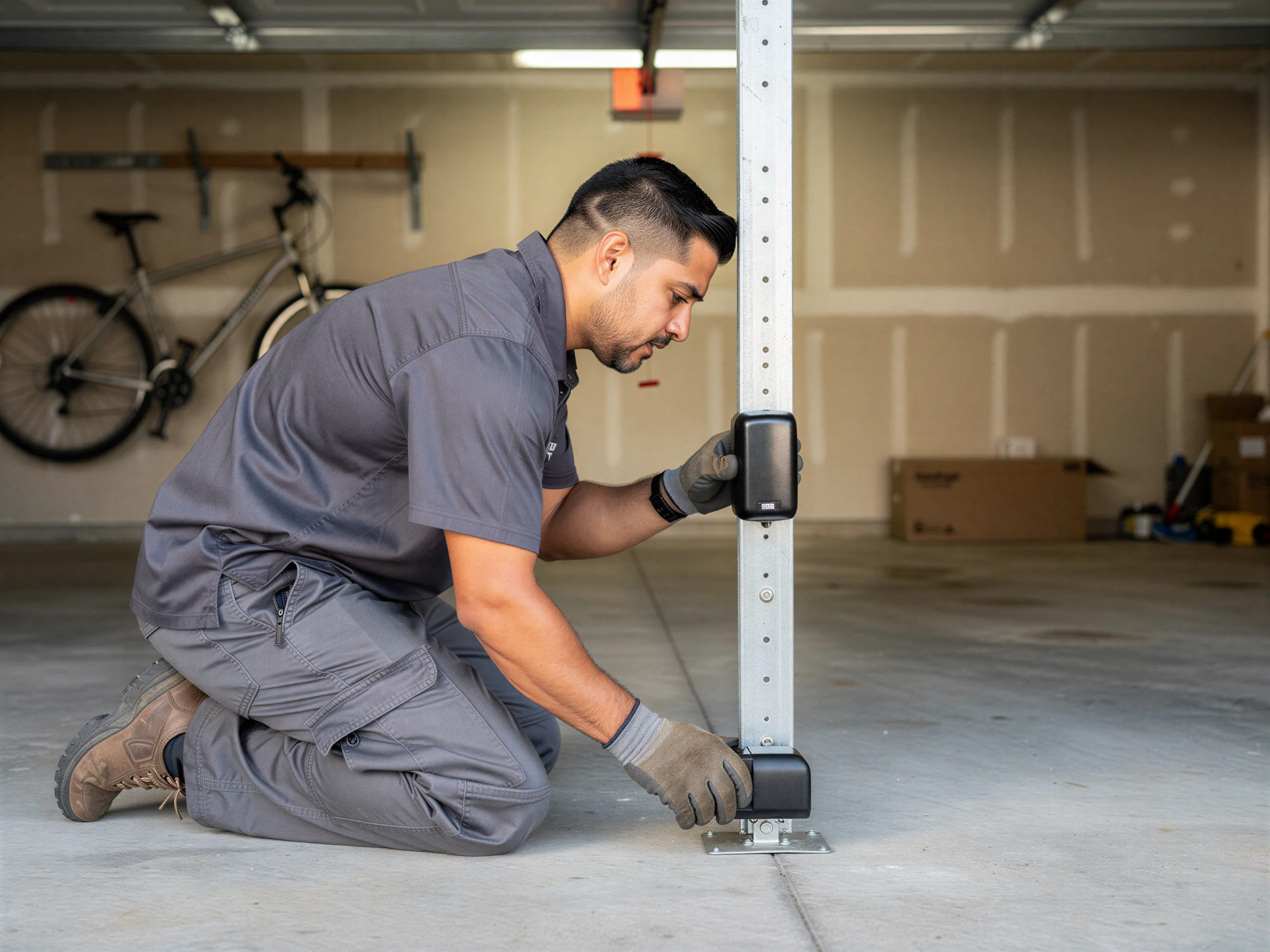
Failed safety reverse test
If you're hearing a opener work harder each month, or watching it fail the safety reverse test, that's your sign to look at replacement rather than another round of adjustment. Chasing the symptom with lubricant and screwdriver tweaks buys a few weeks at best once the underlying cause is a structural one.
What Causes It Around Here
Housing across the Bettendorf service area was mostly built between 1948 and 2001, with the median build year around 1973, and most of the stock across the ten communities we cover clusters in 1960s and 70s construction. Openers installed with those houses, or the first replacement round that followed them in the 80s and 90s, were sized for lighter doors and simpler drive systems than what's sold today.
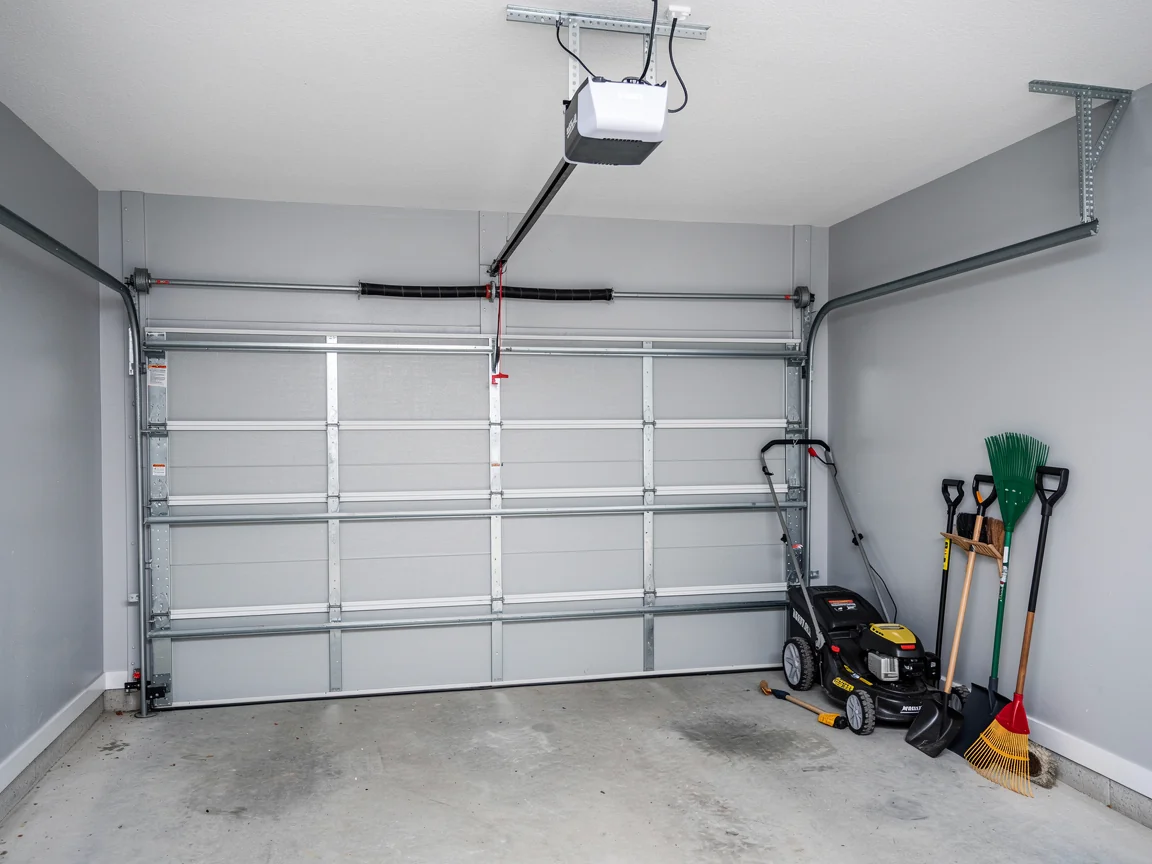
Over the decades, a lot of those original single-layer doors got swapped for heavier insulated steel or carriage-style doors without anyone upgrading the opener to match. A 1/3 horsepower chain-drive unit from 1978 was never built to lift a double-car insulated door, and it shows: longer cycle times, hot motor housings, belts or chains that stretch out early.
The cold-moderate climate here adds its own wear. Grease inside older opener gearboxes thickens in winter, drive belts lose tension faster with repeated freeze-thaw flexing, and garages that aren't heated put real temperature swings on motor windings twice a day, every day, all winter. None of that is dramatic on its own. Stacked on top of a 40-to-50-year-old drive system, it's usually what finally pushes a tired opener into opener installation territory instead of another repair visit.
Where This Job Goes Sideways
The install itself is usually straightforward. Where it goes sideways is the stuff around it that doesn't show up until the old unit is off the ceiling.
Header framing strength
Homes from the 1948-1973 era often have header framing that was built for the lighter doors and openers of that period. Mount a new unit's bracket straight to that old wood without checking it first, and you get vibration, sag, or a bracket that pulls loose inside a year.
Dedicated opener circuits
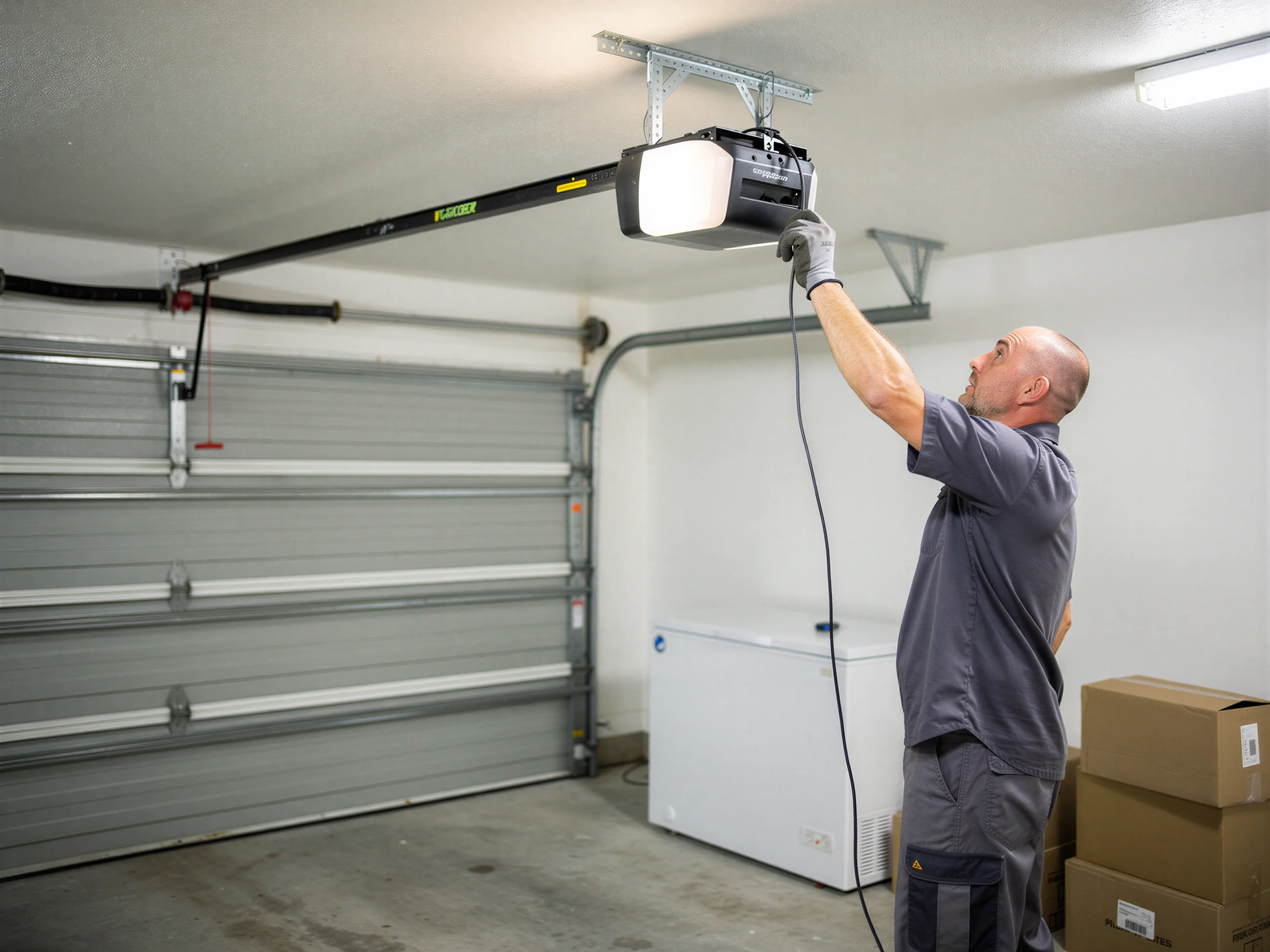
We check the header before we hang anything. The second spot is wiring. Older garages in this build range weren't always wired with a dedicated circuit for the opener, and newer openers with battery backup or smart features draw differently than the chain-drive units they're replacing.
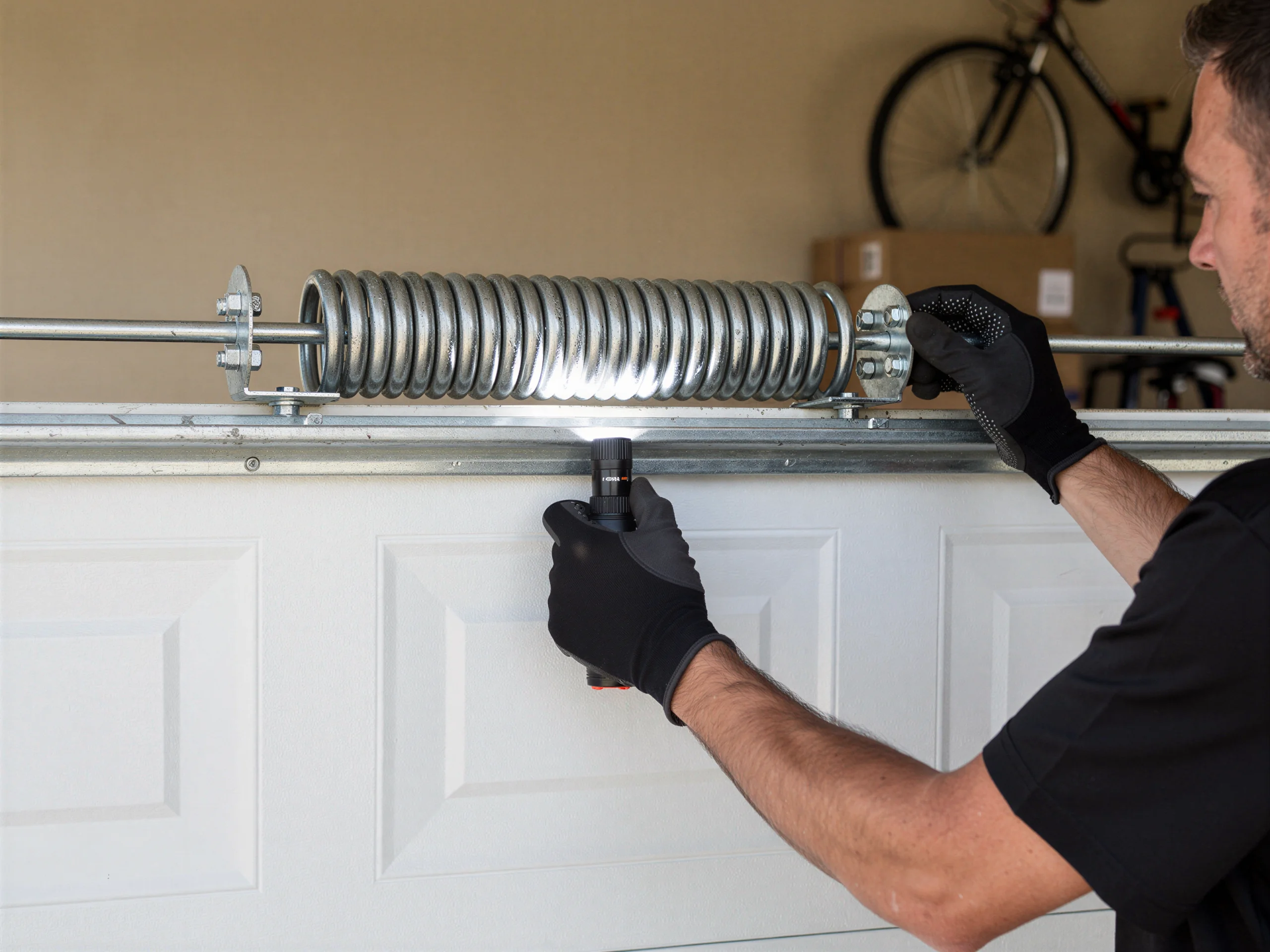
Worn springs under openers
We won't just plug a new opener into whatever outlet is already there if it isn't rated for it. Third is the door itself. If the door's springs are already near the end of their life, a new opener will expose that fast, straining against a door that isn't balanced.
Balance testing before mounting
A good installer tests balance before mounting anything new, not after. One honest limit here: if your door's track or hardware is bent or badly worn, we're not going to bolt a new opener to it and call it done. That's a separate repair, and skipping it just moves the failure a few months down the road.
The Cost of This Job
We don't publish a flat number for opener installation because the two biggest swing factors, drive type and whether your existing wiring and header framing need work, vary house to house even within the same neighborhood. A straight swap onto sound framing and existing wiring runs differently than a job where we're adding a circuit or reinforcing a header.
What we can tell you: across the 11,334 households in our service area, with 6,807 of those owner-occupied and a median household income around $84,380, most of the opener work we do sits in a predictable middle range rather than at either extreme. Homeowners here tend to ask for mid-tier belt-drive units with battery backup, given the winters, rather than either the cheapest chain-drive or the top-end smart units.
Call and we'll give you a real number after we've looked at your door, your header, and your wiring, not before. Quoting blind on an opener job, especially in houses this age, is how installers end up back at your house for a second visit.
Talk to a local pro
Garage door service in Bettendorf?
Same-day service with honest, upfront quotes.