The Symptom
The door gets heavier every fall. It used to lift with one hand and now the opener strains, groans, or reverses halfway up. Sometimes it's a scrape on one side as the roller drags through a track that's gone slightly out of square. Sometimes it's just noise - a bang when the door hits the floor, a squeal on the way up that wasn't there last spring.
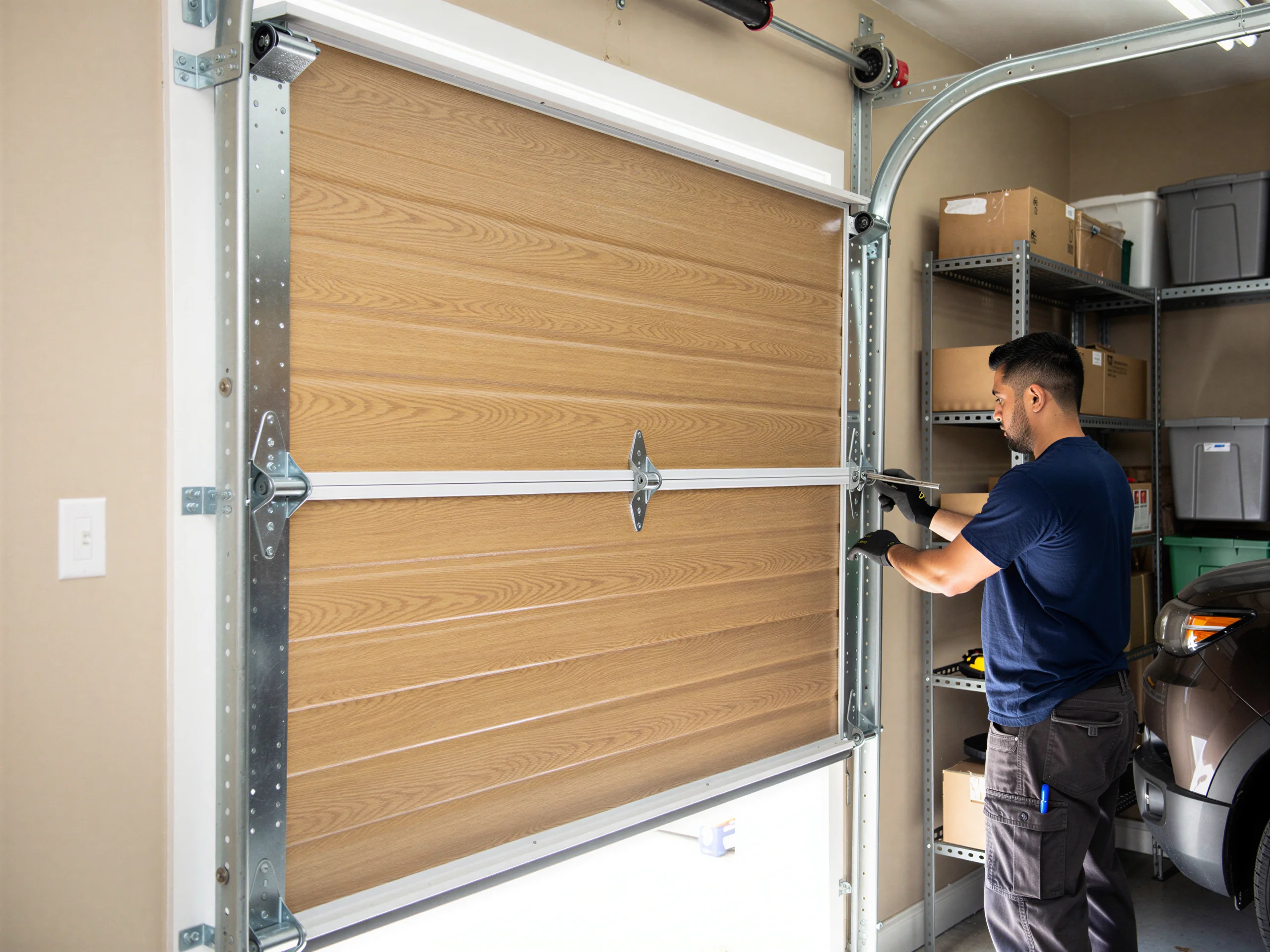
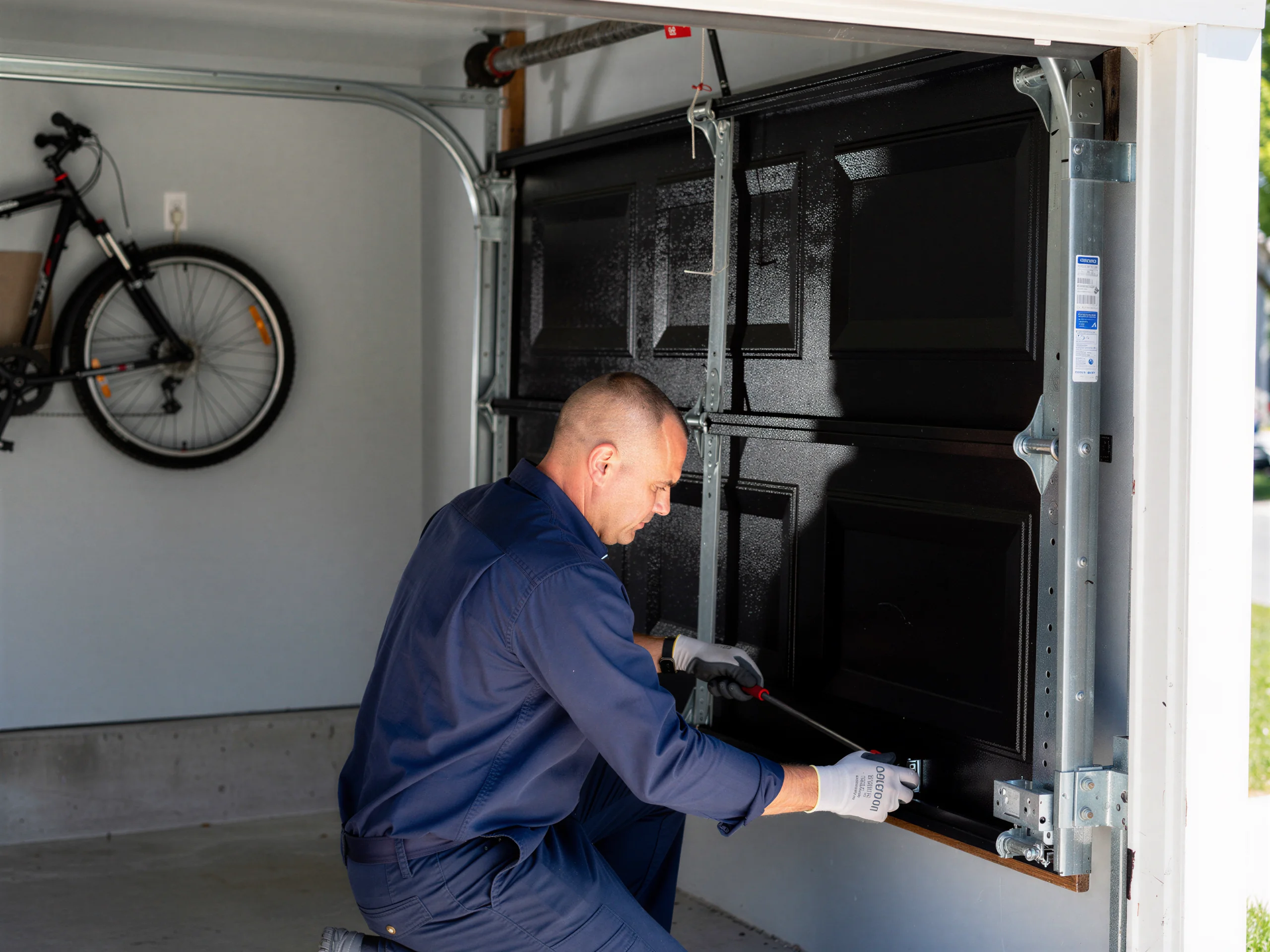
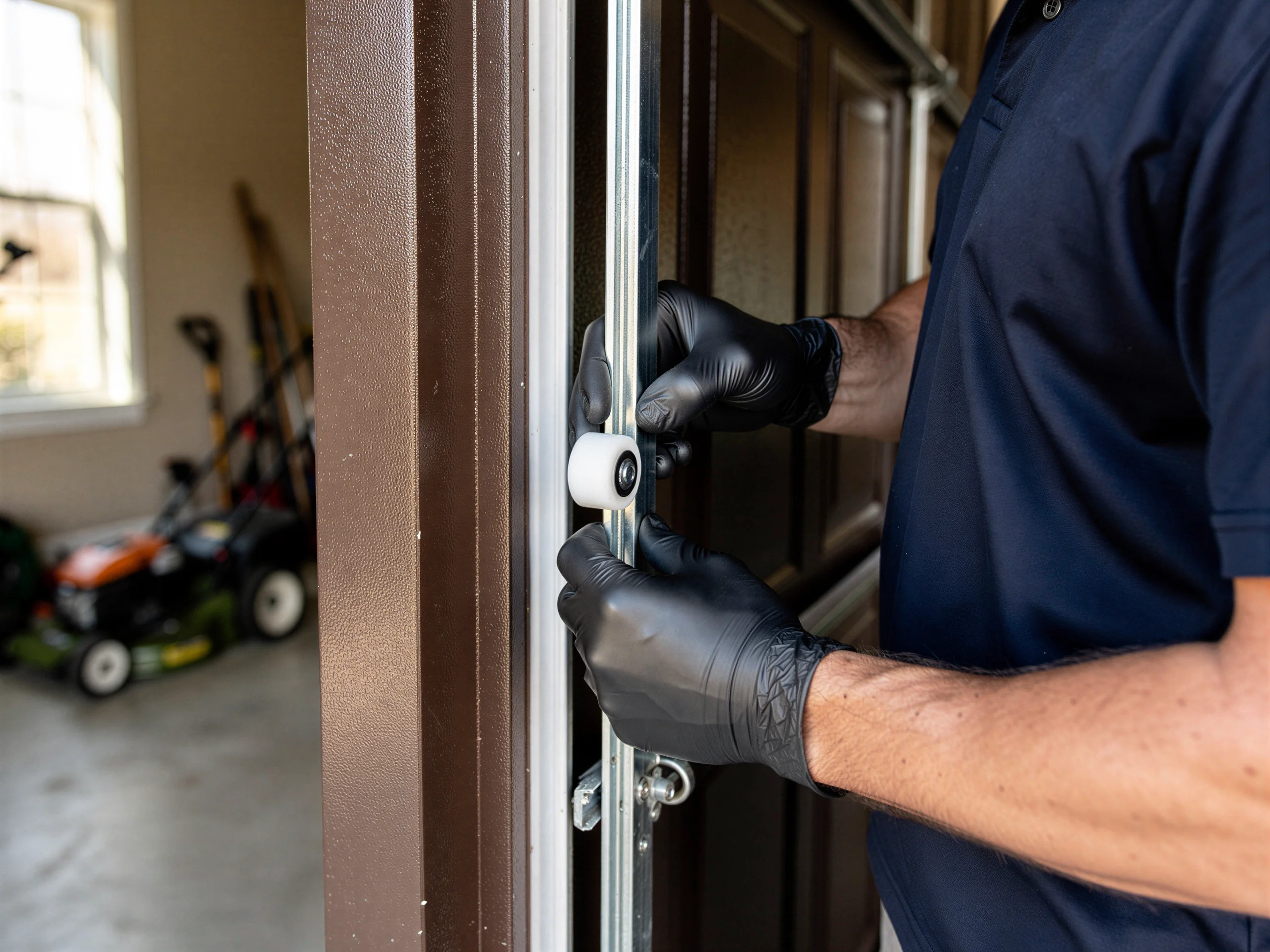
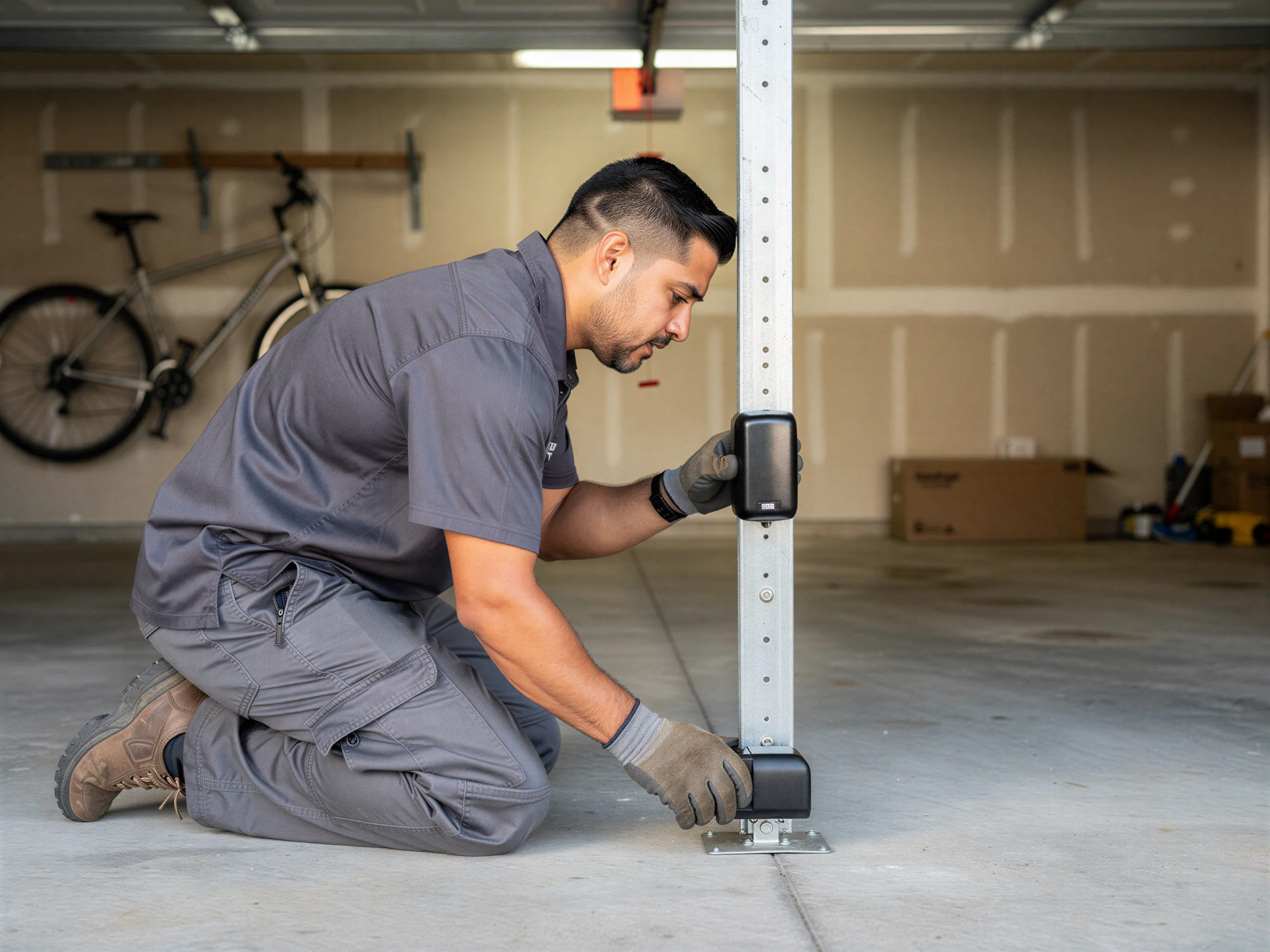
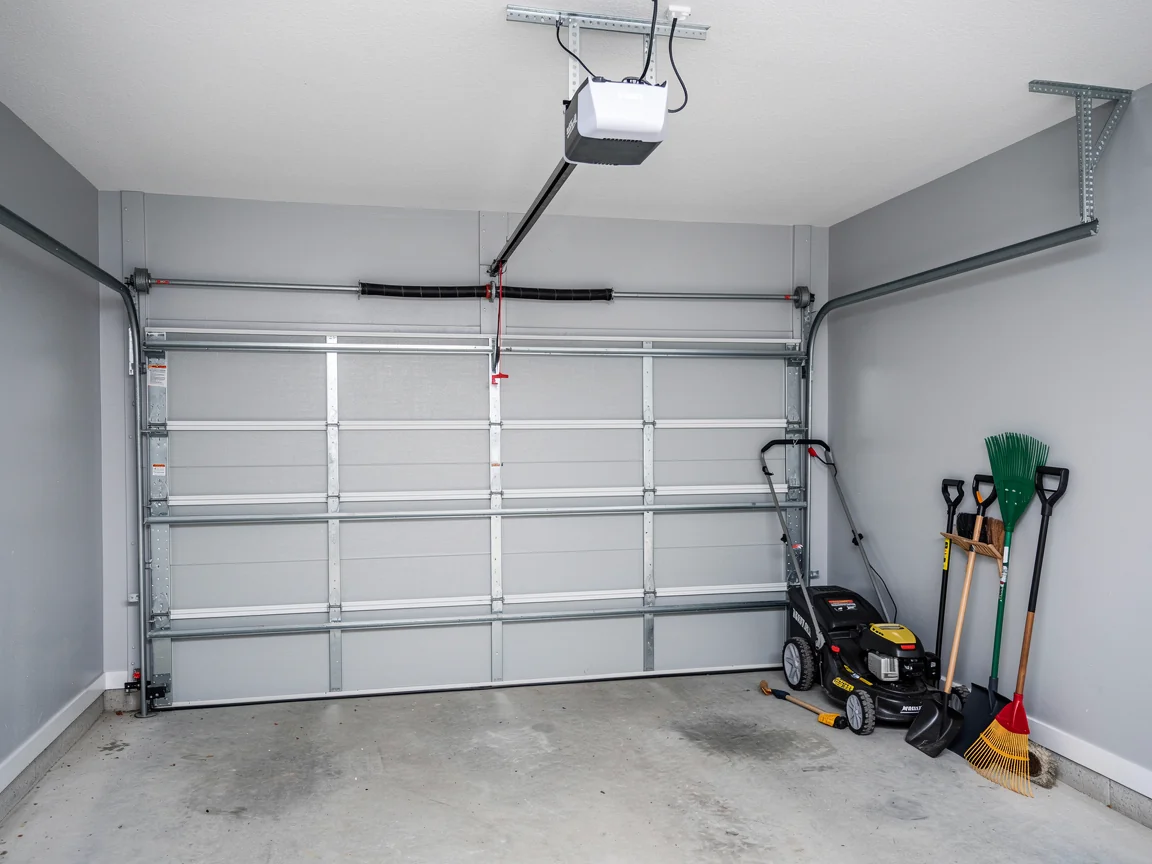
None of that is random. A garage door is a spring-and-cable system doing the same lift every day, and small wear adds up until one cold morning it doesn't move at all. Maintenance is the work of catching that wear before it becomes a stuck door or a snapped cable - lubricating the rollers and hinges, checking spring tension, tightening the hardware that backs out from vibration, and looking at the cables for fraying before they let go.
If your door is still smooth and quiet, you don't need us yet. If it's started talking to you, that's the symptom this service is for.
What Causes It Around Here
The service area's housing stock runs 1948 to 2001, with the median build year around 1973, and most of what we see across the ten communities we cover is 1960s and 70s construction. Doors and openers from that era, or doors replaced once in the decades since, are running hardware that's well past its lubrication cycle and often past its design life for spring cycles.
Bettendorf sits in a cold moderate climate band, and that matters more than people think. Steel springs lose a measurable amount of lift force as temperature drops, and the grease in older rollers and hinges thickens up in winter, which is exactly when homeowners notice the door suddenly feels heavy. It's not that the door broke overnight - it's that cold exposed wear that was already there.
Put those two facts together - older hardware, a climate that stresses it twice a year at the temperature swings - and you get a steady stream of maintenance calls every fall and spring across this area, not a random scatter. That's the pattern we service for, not a one-off fix.
Where This Job Goes Sideways
A tune-up on a door that's otherwise sound is quick: lubricate, adjust, tighten, check balance, done. It goes sideways when the hardware underneath the symptom is older than it looks.
Mismatched piecemeal replacements
In houses from the 1948-2001 range, we sometimes find springs, cables, or track hardware that's been replaced piecemeal over the years with parts that don't quite match the original setup - a different spring wind, a track bracket that's not quite the right gauge.
Weak joints take strain
Maintenance on a mismatched system can expose a weak point rather than fix one; tightening a loose bracket on a track that's already bent somewhere else just moves the strain to the next weak joint. Cold makes this worse. A spring that's been quietly losing tension for years can look fine in July and then bind or even crack in a hard January cold snap, right when you need the door to open.
Maintenance versus repair
We won't pretend a lubrication and adjustment visit fixes a spring that's at the end of its life - that's a repair job, not maintenance, and we'll tell you which one you're looking at before we start work, not after.
The Cost of This Job
We don't have a flat number to quote here, and we're not going to invent one. A straightforward maintenance visit on a door that's basically sound costs less than one where we're also diagnosing a spring that's lost tension or a track that's shifted - and the honest answer is you won't know which one you've got until someone looks at the door.
Tightening versus replacing hardware
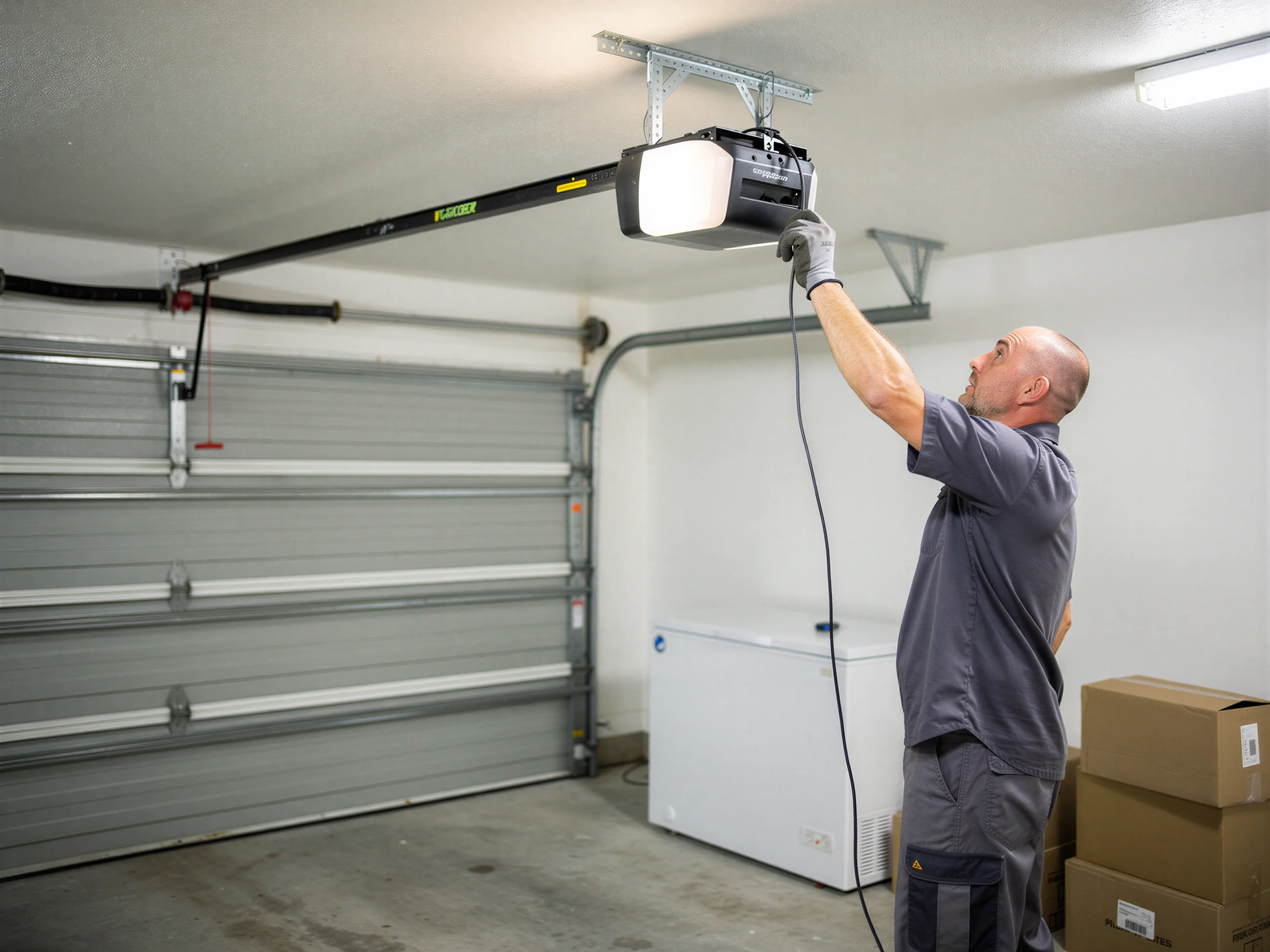
What we can tell you is what drives the cost: how much adjustment the springs need, whether hardware needs replacing versus just tightening, and how much of the opener's wiring and safety sensors need checking.
Older fasteners take longer
Houses built in the 1948-2001 range we service often need a bit more time simply because the hardware is older and the fasteners are harder to work loose without damage.
Yearly tune-up economics
Across the area - 11,334 households, with 6,807 of those owner-occupied houses - median income runs $84,380, and most homeowners here treat a yearly tune-up as cheaper than an emergency spring replacement later. That's the trade-off: a scheduled visit now costs less in both money and inconvenience than a dead spring on a Saturday morning.
Talk to a local pro
Garage door service in Bettendorf?
Same-day service with honest, upfront quotes.