
Garage Doors Built for an Older Bettendorf House
Bettendorf homes mostly went up between 1948 and 2001, median 1973.
Read moreBlogBettendorf, IA · 4 min read
Why torsion springs on Bettendorf's older houses give out when temperatures drop, what a repair or replacement actually involves, and what the cold does to steel and hardware here.
Local detail
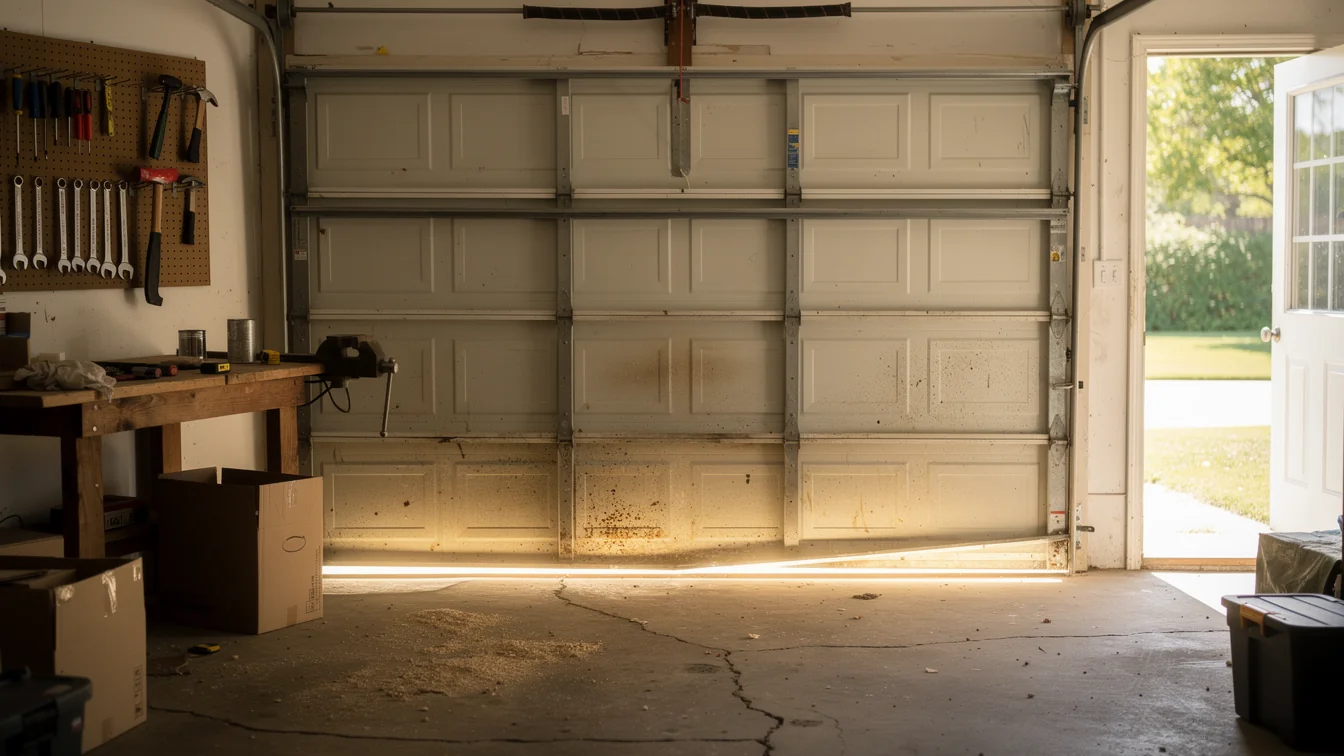
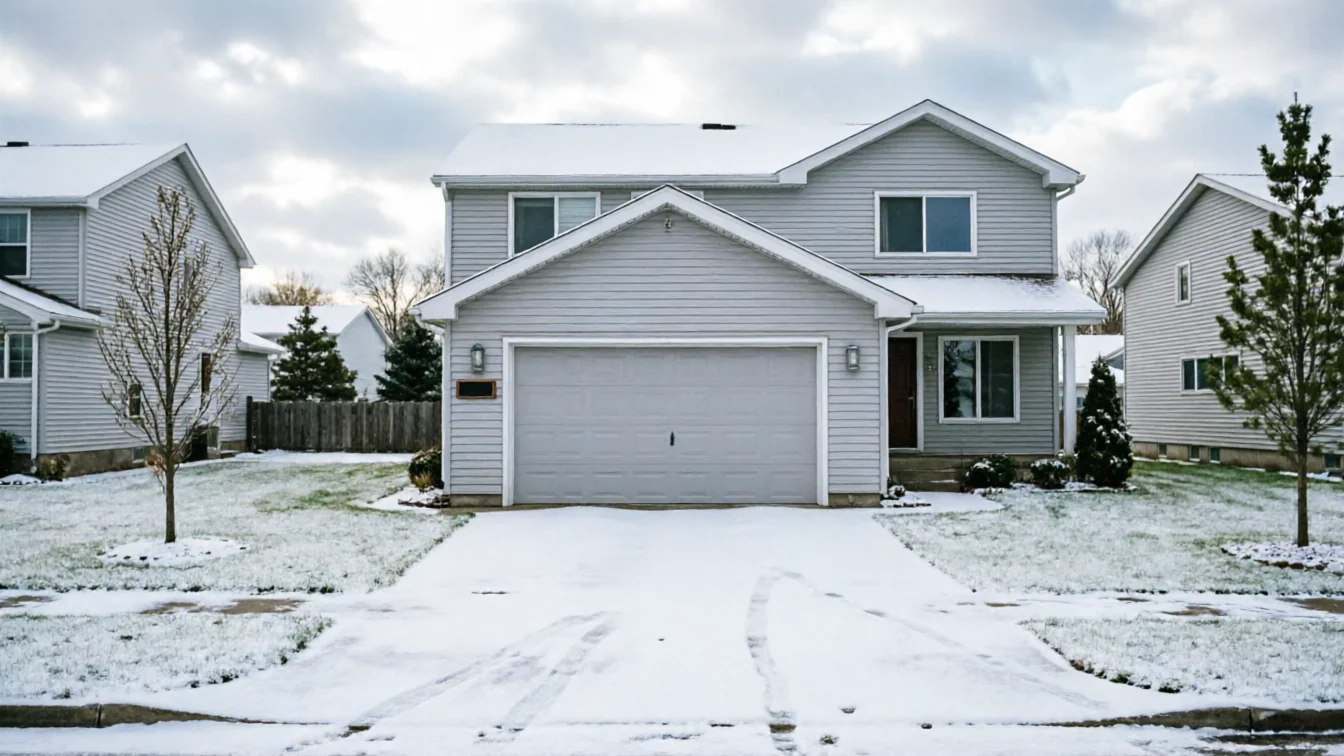
Most of the houses in this area went up between 1948 and 2001, with the typical build year sitting around 1973, and the bulk of that stock across the ten communities we cover is 1960s and 70s construction. That matters because a torsion spring is rated for a number of open-close cycles, not years, and a spring installed when a house was built in the early 70s has had five decades to work through that count. Cold makes the end of that life ugly instead of gradual. Steel contracts as it gets cold, and a spring that's already fatigued loses the little flex it has left. The call we get is usually the same: door went up fine the night before, and in the morning, with the temperature down, it won't move, or it comes down hard and uneven, one side lower than the other. That's a spring giving out on one side while the other holds a beat longer. It's not a mystery and it's not bad luck. It's old steel meeting cold weather at the same time, and on a street full of houses from the same era, you'll often hear about a neighbor's door going out the same week.
The area
We're not going to put a number here we can't back up, but here's how the job actually breaks down. A single torsion spring replacement is a different job than a pair, and doors from the 60s and 70s era often ran on hardware sizes that aren't the current standard, which can mean a special-order part instead of something off the truck. That adds a day, sometimes more, depending on supplier stock. The other factor is the door itself: if the spring let go on a door that's already warped, rusted at the bottom panel, or running on rollers that are shot, replacing just the spring is a short-term fix on a door that's close to the end anyway. With a median household income of $84,380 in this area, most owners we talk to can weigh a full door replacement against patch repairs and make that call on the numbers rather than just doing whatever's cheapest today. We'll tell you straight which category your door falls into before we quote anything.
What we find
A broken spring doesn't fix itself, and running the opener against a dead spring is how you burn out the opener motor trying to do a job it was never built to do alone. On a torsion system, one spring can hold while the other's gone, which tricks people into thinking the door still half-works. It doesn't. The remaining spring is now carrying double the load it was designed for, and in cold weather that stressed spring is more likely to snap too, sometimes while the door is partway up. With 6,807 owner-occupied houses out of 11,334 households in the service area, a good number of these are original garage doors from the same build era as the house, which means original cable and drum hardware too. Old cable under sudden full load is the failure that actually hurts somebody or cracks a windshield. We'd rather you leave the door down and call than force it, even for one more day.
How we work
This area sits in a moderate cold climate band, not the extremes you'd get further north, but cold enough that it does real work on steel and lubrication over a winter. Grease that flows fine in September gets stiff by January, rollers bind slightly, and a spring near the end of its cycle count gets pushed over the edge by the extra resistance. It's the combination that gets people: an aging spring from a 1960s or 70s build plus a cold snap plus hardware that hasn't been lubricated since the last warm stretch. Across the communities we reach, from Riverdale two miles out to Grand Mound twenty miles away, the pattern holds the same because the housing ages the same way and the winters hit the same way. One thing we won't do is sell you a full hardware overhaul when the fix is a spring and a service - but we also won't tell you a ten-dollar can of lubricant fixes a spring that's structurally done.
Questions
Torsion springs fail by cycle count, not by age alone, so they often look fine right up until the last use. Cold weather accelerates the final break because the steel is stiffer and less forgiving. If your house dates to the 1960s or 70s, which covers most of this area, the spring has likely been working toward this for years.
You can, but we usually don't recommend it. If one spring on a double-torsion setup failed from age, the other is close behind and carrying extra strain right now. Replacing both at the same time costs less in labor than two separate visits and avoids a second breakdown a few months later.
Depends on the door. If the panels are original from a 60s or 70s build and already showing rust or warping, a new spring on an old door is a short-term fix. If the door itself is sound, replacing just the spring is the right call and the more common one.
Recommendation
More garage door guides for Bettendorf homeowners.
Bettendorf homes mostly went up between 1948 and 2001, median 1973.
Read more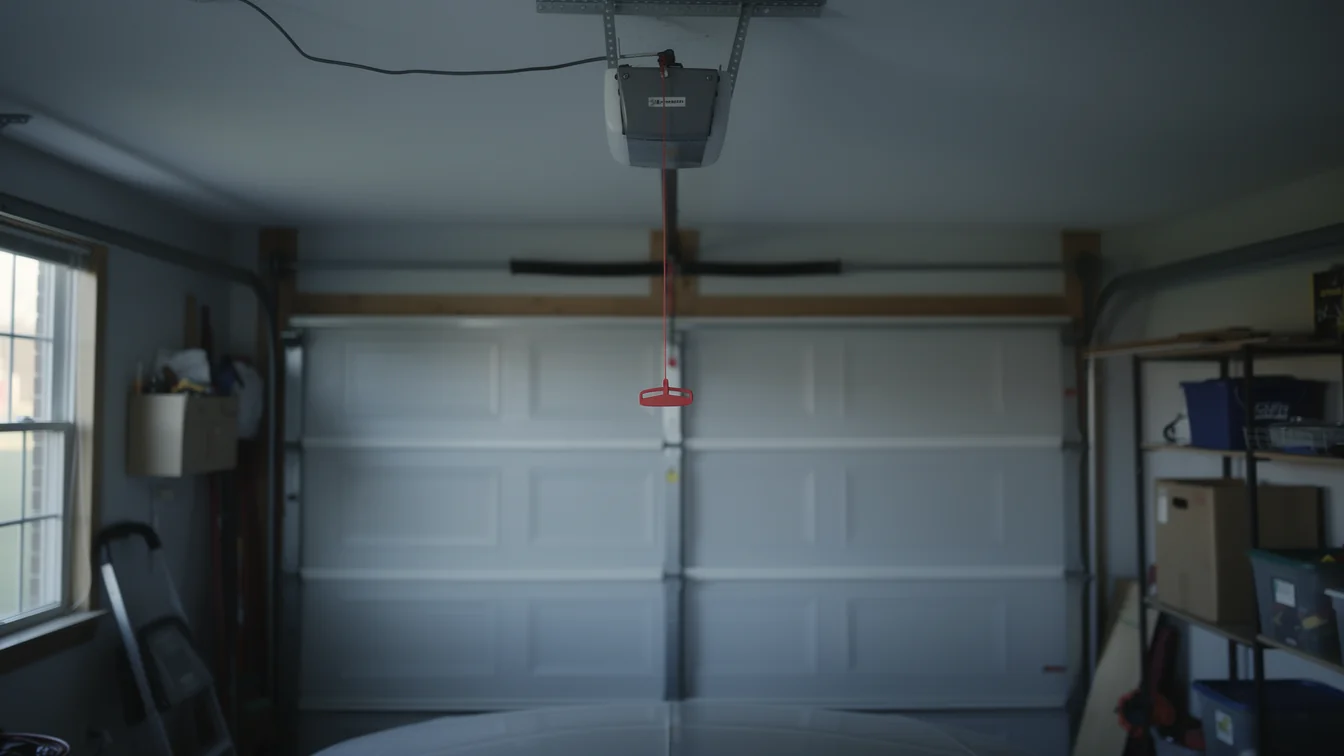
Bettendorf homes built between 1948 and 2001 often pair older openers with cold-climate power cuts.
Read more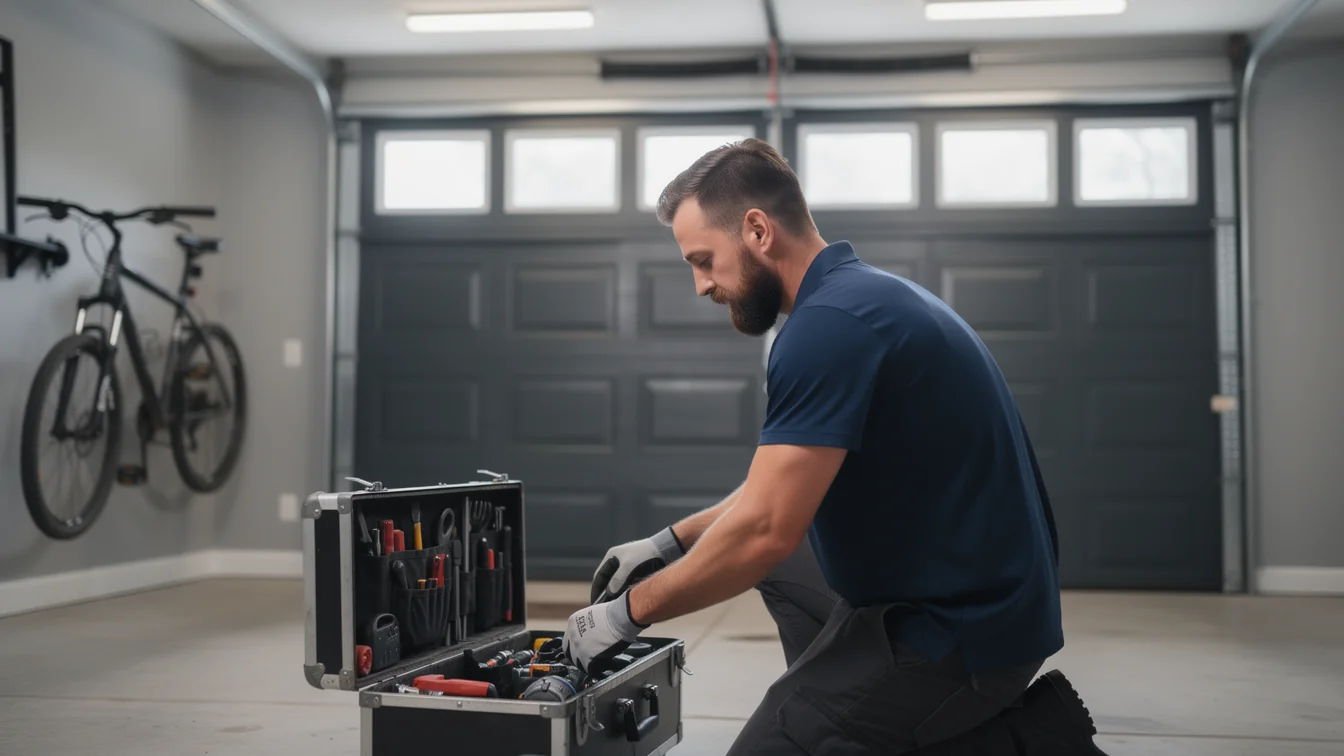
A look at what a garage door service call covers in Bettendorf, tied to this area's 1960s-70s housing stock and cold-climate wear on springs and tracks.
Read moreReady when you are
Bettendorf Garage Door Pros repairs and installs garage doors, springs and openers in Bettendorf, IA and the surrounding area.