The Symptom
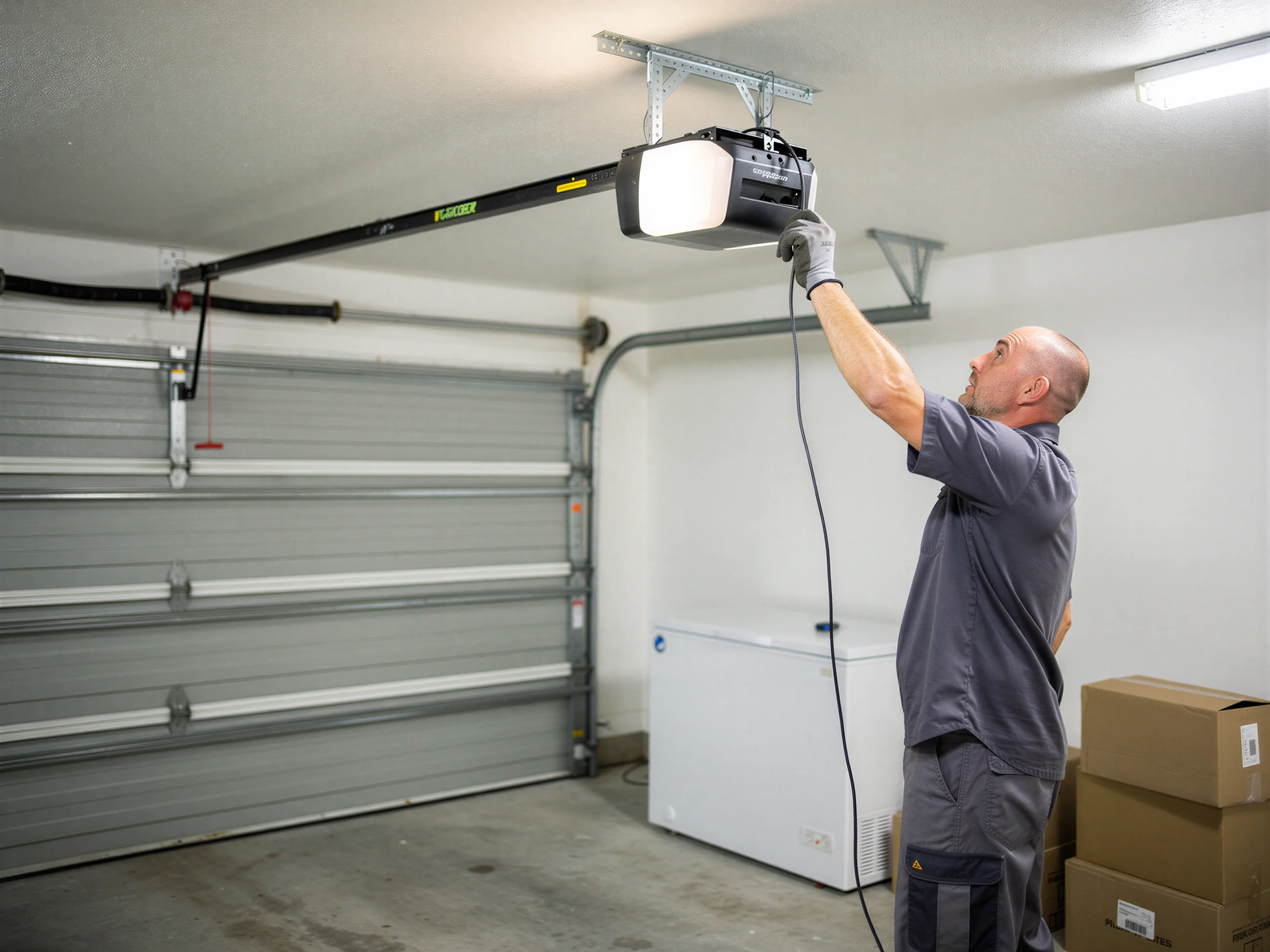
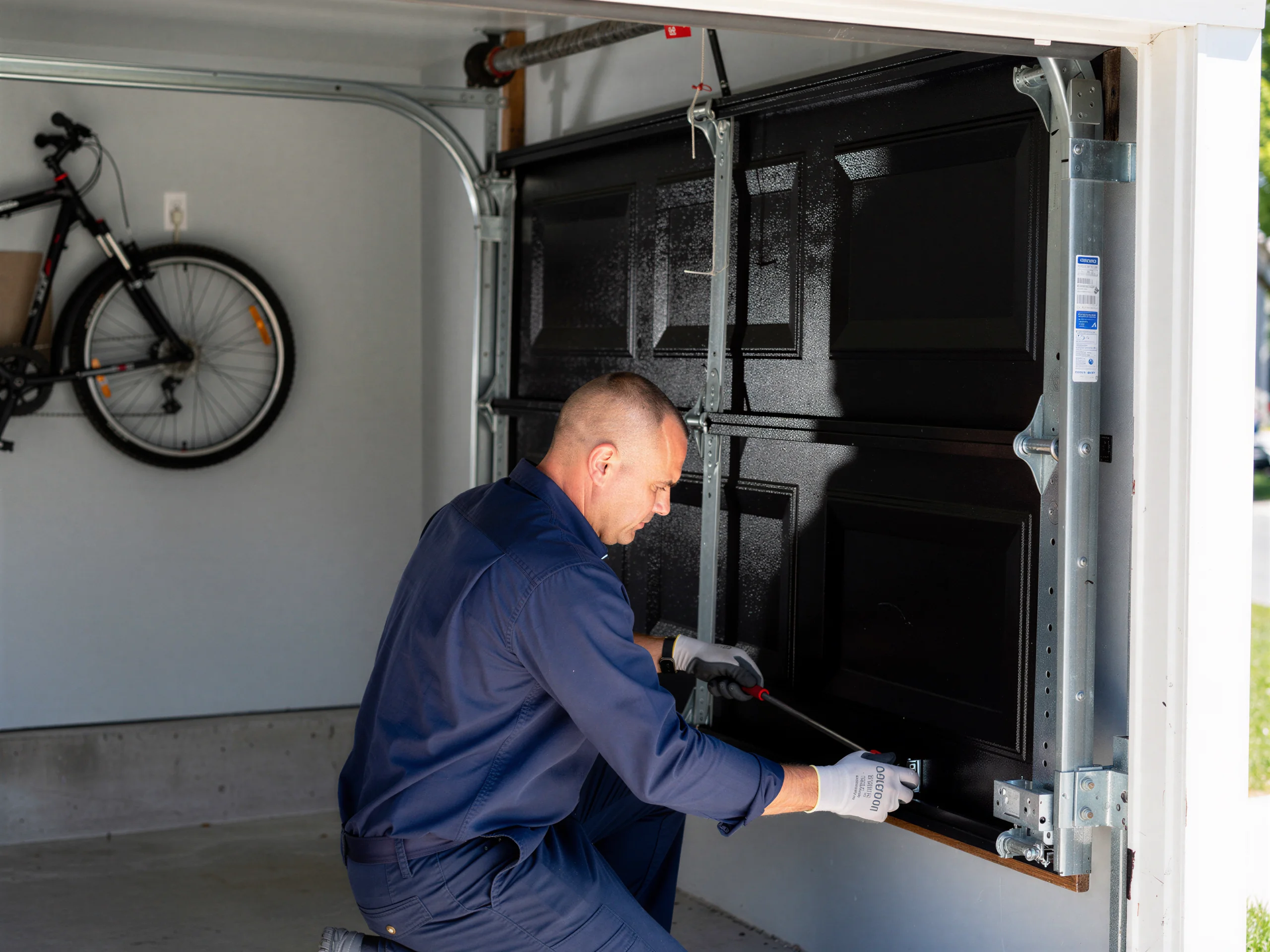
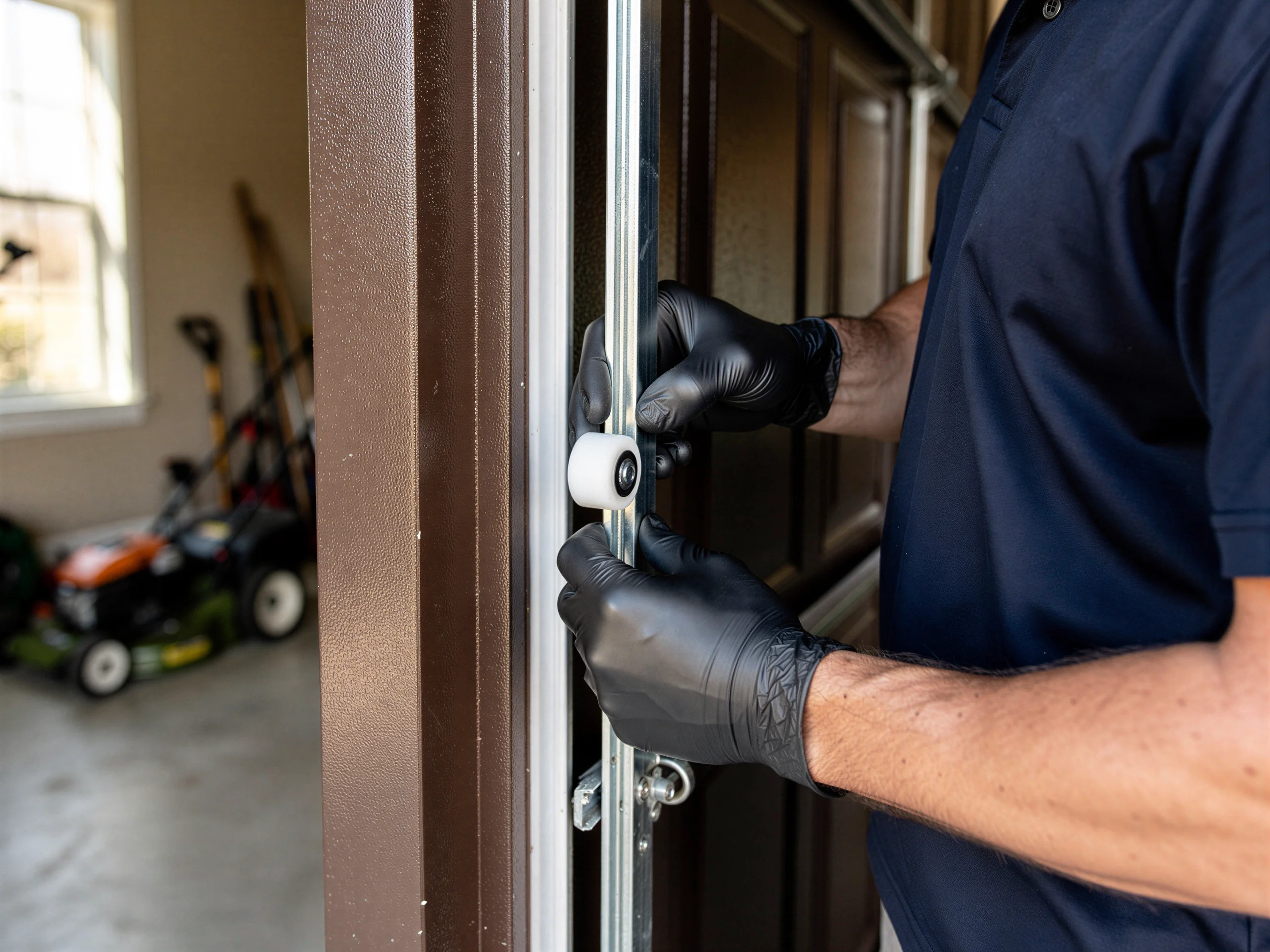
You notice it before you can name it. The door shudders instead of gliding, there's a grinding or clacking sound as it rolls past the bend into the horizontal track, and on the worst mornings it hangs up half an inch and won't finish closing without a shove. Sometimes a roller pops clean out of the track and the door drops crooked, hanging on one side. None of this means the opener is failing. Nine times out of ten it's the rollers themselves - the wheel has worn down, the bearing inside has seized, or the roller stem has bent enough that it's no longer riding true in the track. Steel rollers without sealed bearings are the usual culprit, and on an older door that's exactly what's still installed. The fix is mechanical, not electronic, and it's one of the more straightforward jobs on a garage door as long as the track underneath hasn't been bent by the same wear that killed the rollers.
What Causes It Around Here
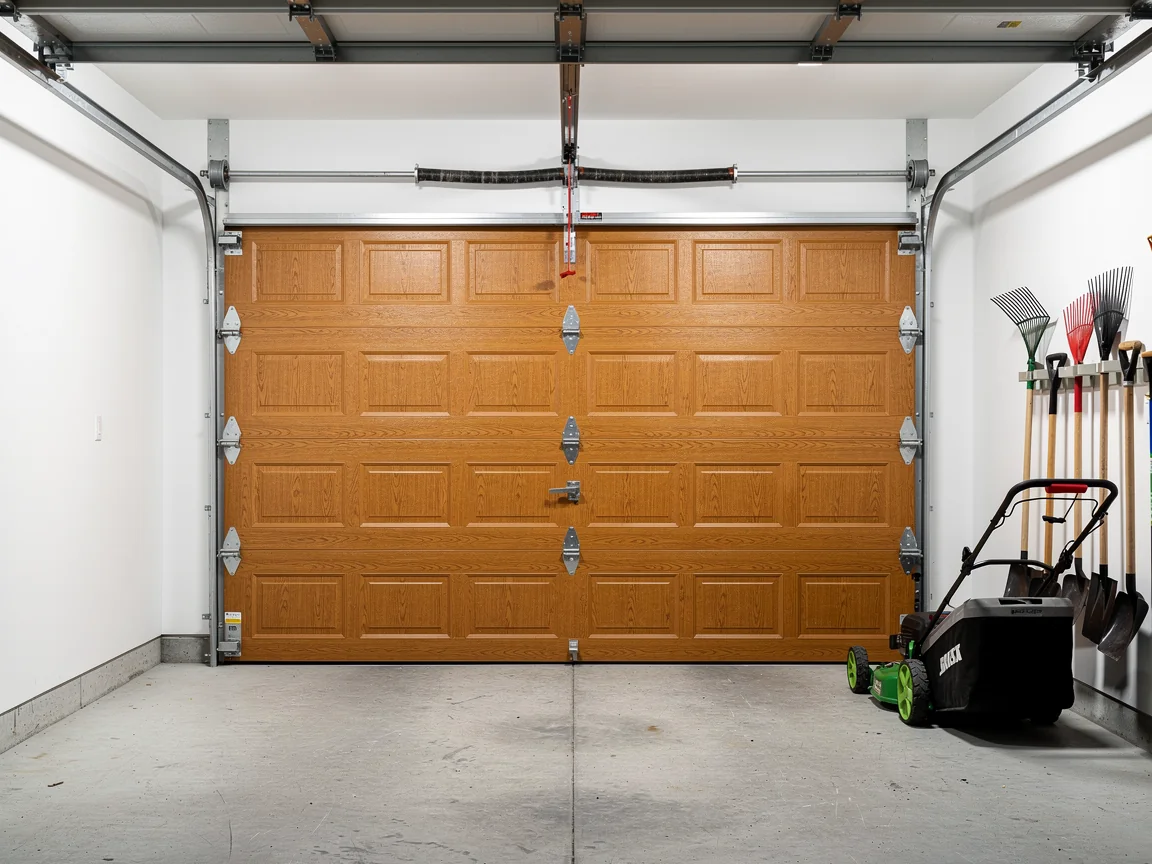
Most of the housing stock across the Bettendorf service area went up between 1948 and 2001, with the bulk of it dating to the 1960s and 70s across the ten communities we cover. That means a large share of garage doors out there still carry their original hardware or a first-generation replacement from decades back - steel rollers, no nylon, no sealed bearing. Pair that with a cold moderate climate band and you get a specific failure pattern: steel contracts in winter, grease inside an old bearing stiffens or has long since dried out, and the roller starts binding right at the point where the track curves from vertical to horizontal. That's the exact spot where stress is highest every single cycle. A door that opens and closes smoothly in July can start grinding in January for no reason other than the cold tightening tolerances that were already marginal. This isn't a defect in any one door - it's what happens to 1960s and 70s hardware after enough winters, and it's why roller wear shows up as a seasonal cluster of calls rather than a random one.
Where This Job Goes Sideways
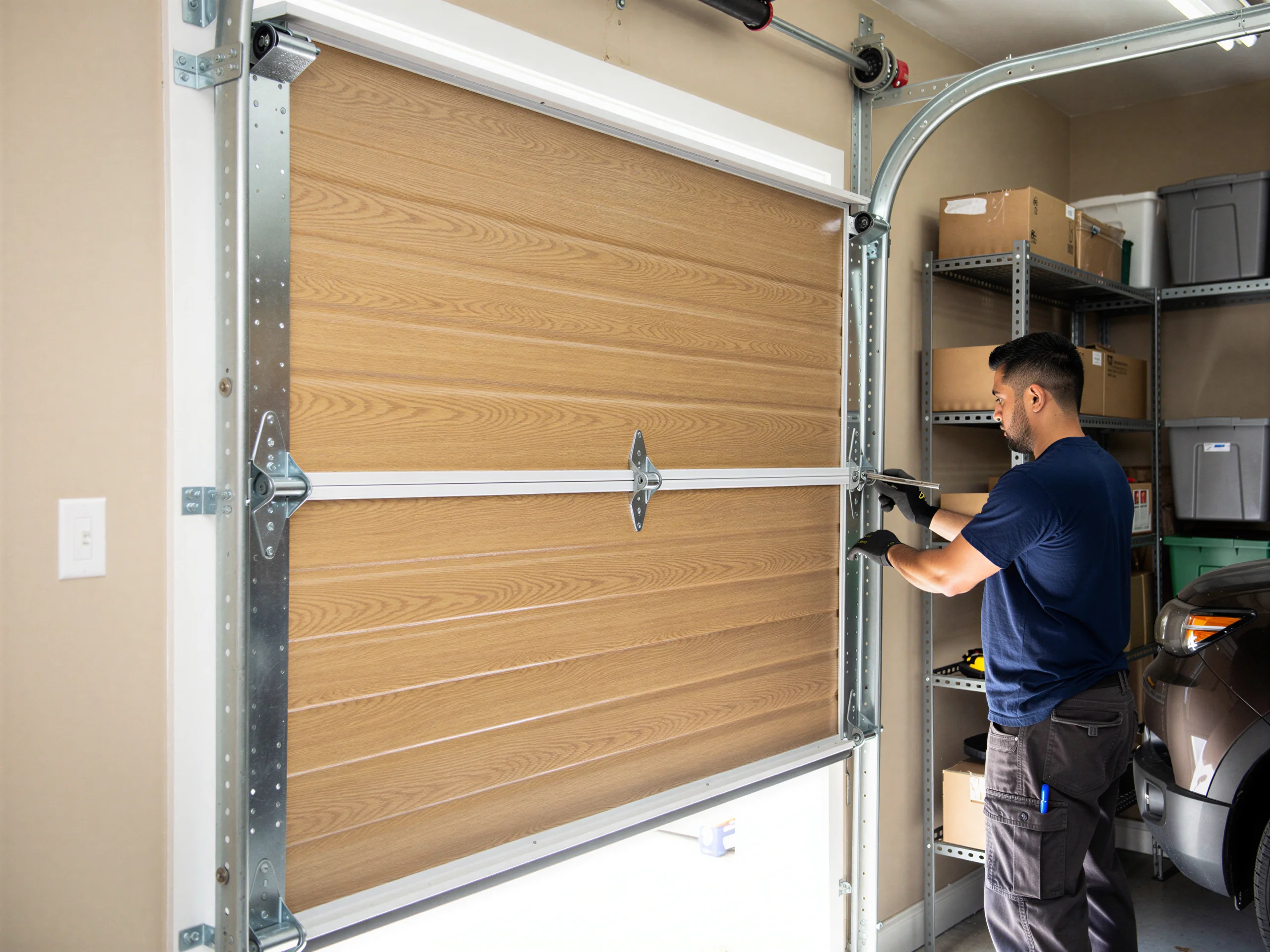
Replacing rollers is simple when the track is straight and the door is balanced. It stops being simple when a seized roller has already bent the track rail, which happens more often than you'd think on a door that's been grinding for months before anyone calls about it.
Track section replacement
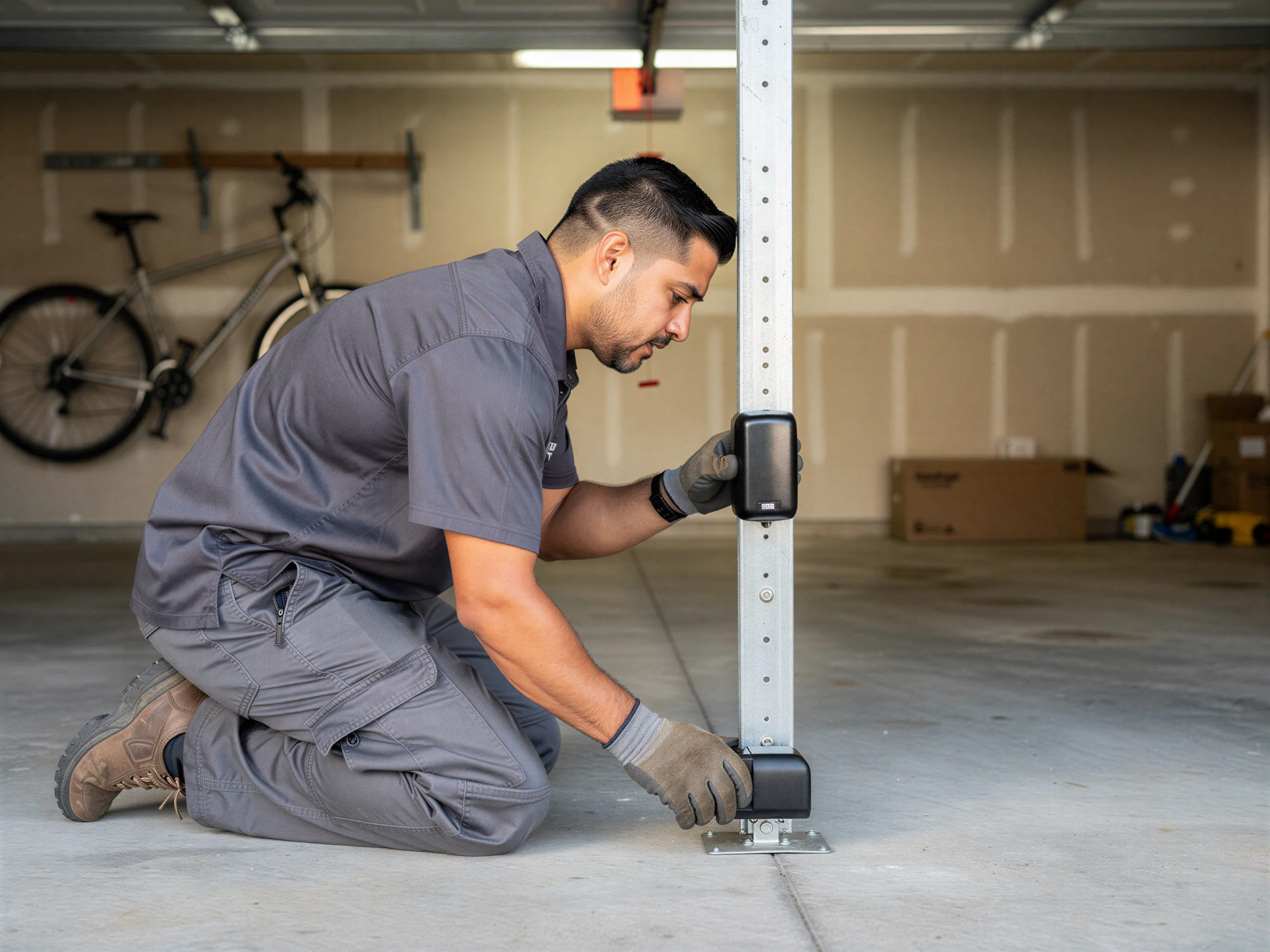
At that point you're not swapping ten rollers, you're also straightening or replacing a section of track, and the labor roughly doubles. The other place this job gets complicated is a bottom roller on a door with a worn bottom bracket - those brackets hold spring tension and aren't something to work loose without taking the tension off the door first.
Bottom bracket limits
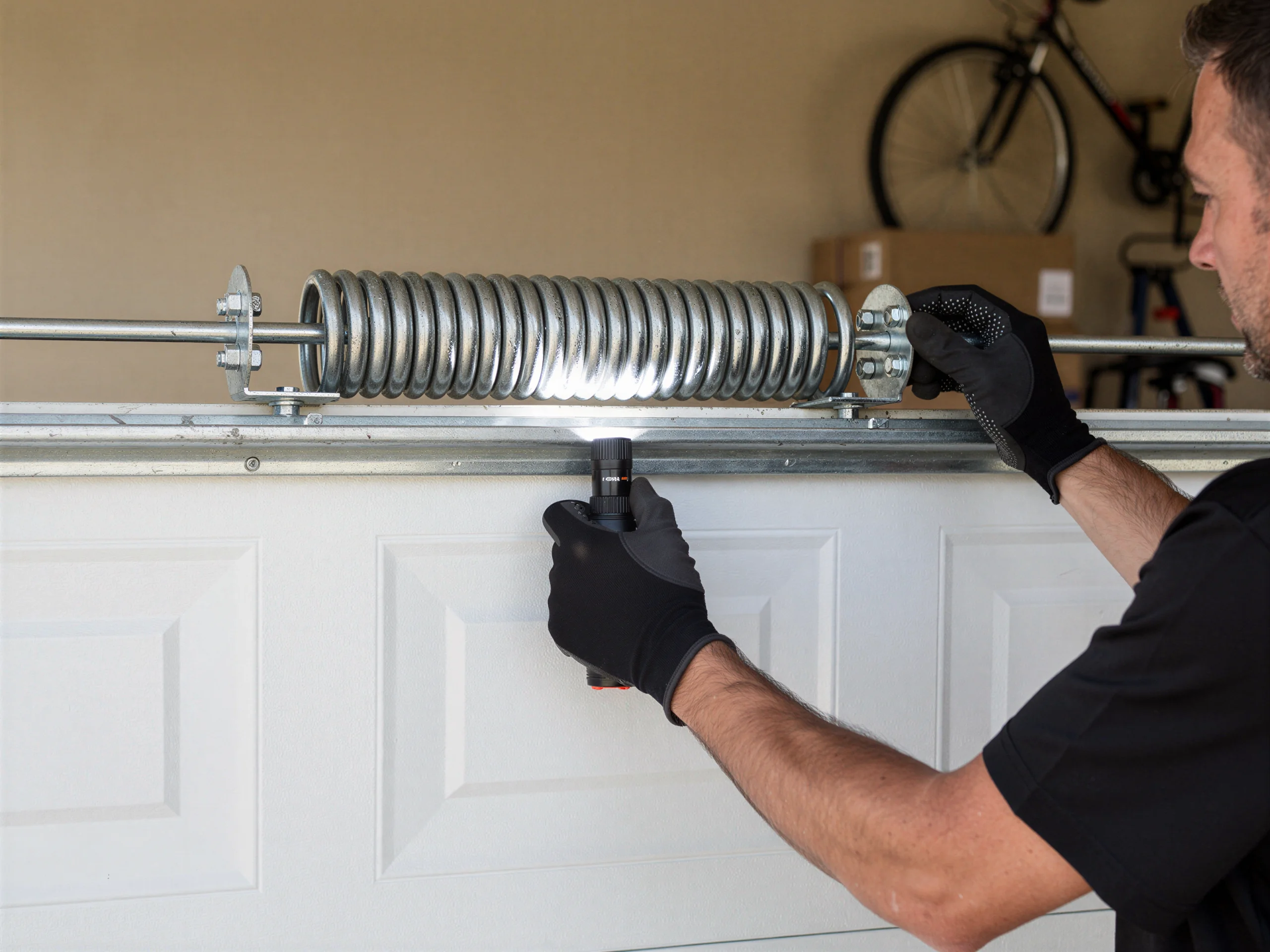
We won't pull a bottom bracket on a door with a torsion spring we haven't checked, because that's how people lose fingers. One honest limitation: if the rollers have been grinding long enough to wallow out the track holes or warp the rail, roller replacement alone won't fix the noise - that's a track job, and we'll tell you that up front rather than sell you rollers that won't solve it.
The Cost of This Job
A straight roller swap - ten rollers, no track damage, no bent brackets - is a short job on-site once we've got the right rollers on the truck. Sealed-bearing nylon rollers cost more up front than steel but don't need the periodic lubrication steel rollers do, which matters in a climate where grease stiffens up every winter. If the inspection turns up a bent track section or a bottom bracket that's worn past safe limits, that gets priced separately once we can see it, because guessing at a repair before opening the door up does nobody any favors. We don't have a flat number to quote here without seeing the door, and that's by design - a ten-roller swap and a swap-plus-track-repair are two different jobs, and we'd rather tell you which one you've got than quote blind.
Talk to a local pro
Garage door service in Bettendorf?
Same-day service with honest, upfront quotes.