What Causes It Around Here
Buffalo's median home was built around 1952, a good two decades ahead of the 1973 median across the wider service area. That matters for openers because a house from the early 1950s was usually built with a single-car bay, a lighter door, and in many cases no opener at all until one got bolted on sometime in the following decades. What you're often dealing with now isn't a worn-out opener so much as a second- or third-generation unit crammed onto a header that was never engineered for it - a bracket shimmed with scrap wood, a rail angled to clear a low joist, wiring run on the surface because nobody wanted to open the ceiling.
The climate here is cold and moderate, which adds its own wear pattern. Grease hardens in an unheated garage through the winter months, chain tension loosens as metal contracts, and photo-eye sensors drift out of alignment when a door frame shifts with frost. On a house with original framing from the 1950s, that frame has had seventy years to settle unevenly, so an opener that lines up fine in July can bind in January. None of this is dramatic - it's just what happens when 1950s construction meets a modern motor.
Time on the Job
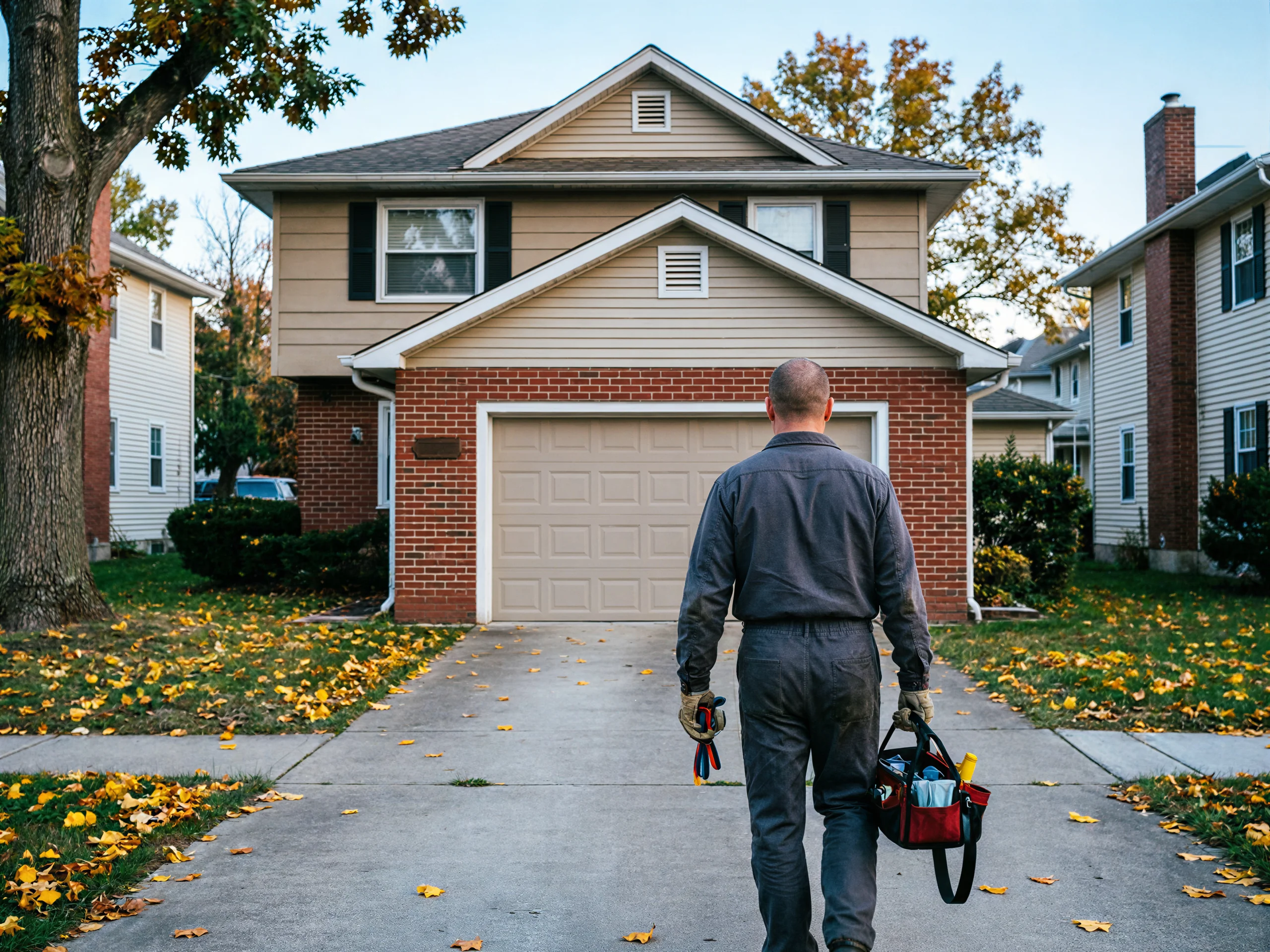
We run out of Bettendorf, and Buffalo sits about 17 miles out, so a visit here starts with that drive, not a dispatch from some branch in town - there isn't one.
Turnaround variation
We don't quote a fixed turnaround time for Buffalo specifically because we don't have a number we'd stand behind; travel plus the condition of what's already mounted on your header both move that figure more than we'd like to admit. What we can tell you is what slows a job down on this kind of house.
Retrofit bracket rework
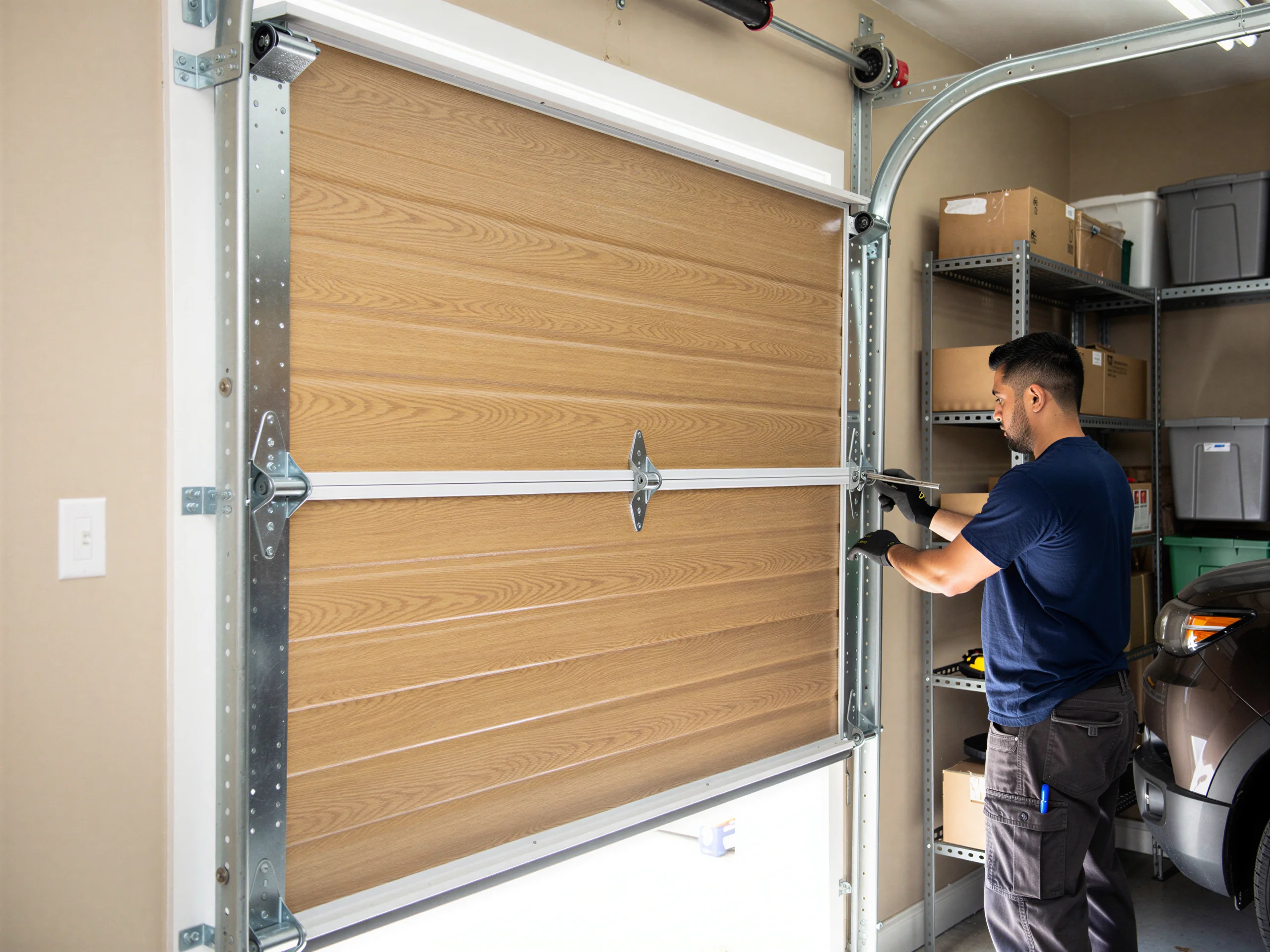
If the existing opener was added after the home was built, as is common on 1952-era construction, the bracket and header reinforcement often need rework before a new unit goes up - that's extra time we'd rather spend than skip. A straightforward swap onto solid existing hardware moves a lot faster than a job where we're also correcting a mounting problem from whoever did the last install.
Stocked Parts
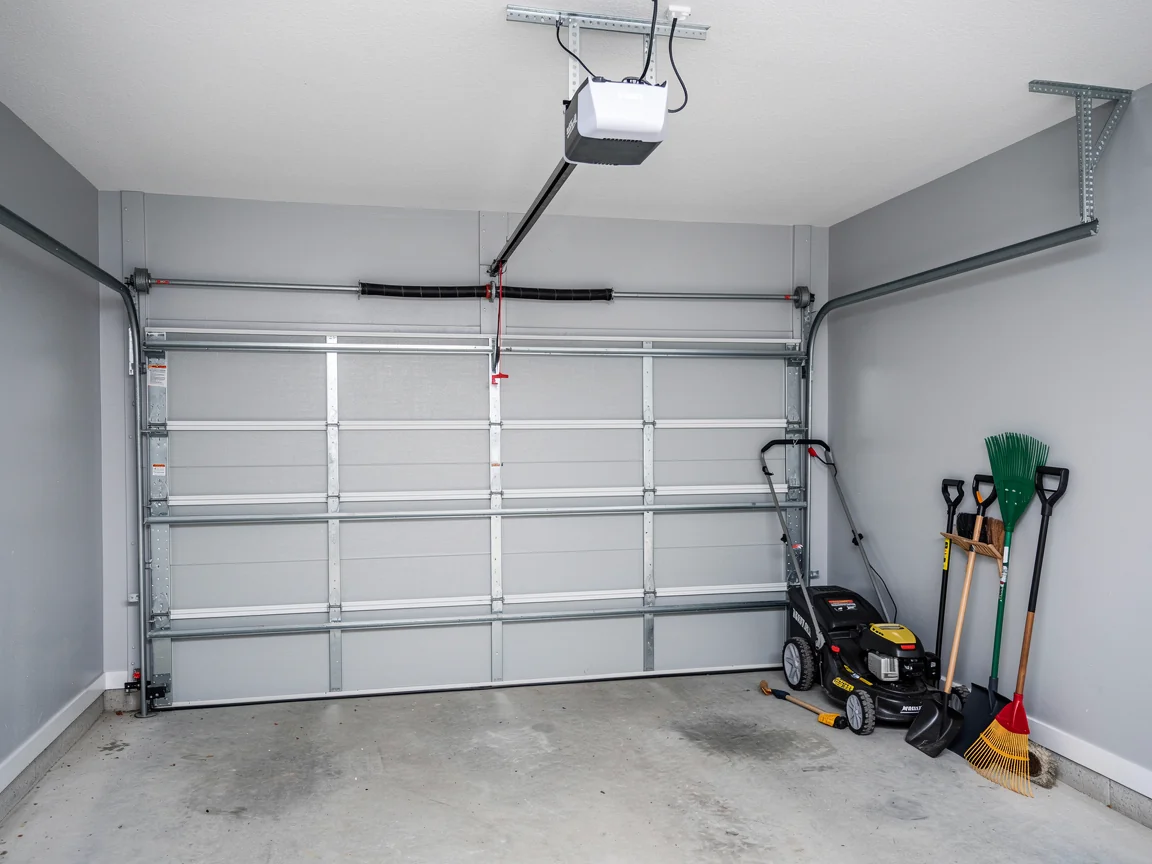
We carry chain-drive and belt-drive openers, along with the brackets, rail sections, and safety sensor kits that cover most residential installs across the service area, including the older single-car headers common in Buffalo's 1952-era housing. What we don't keep on the truck is anything built for a non-standard or custom door - those get ordered once we've seen the opening.
Cold-weather lubricant and gasket kits matter more here than they would somewhere with a milder climate band, since F3 puts this whole area in the cold-moderate range. A chain or belt rated for that range holds up better through a winter in an unheated garage than a generic unit, and we install accordingly rather than grabbing whatever's cheapest on the shelf.
What the Fix Involves
On a house built around 1952, the first thing we check isn't the opener - it's what it's bolted to.
Header reinforcement check
Header reinforcement that was adequate for a hand-pulled door in the 1950s isn't always enough for a motorized unit, so we confirm the mounting point can take the load before the new opener goes up.
Matching horsepower to weight
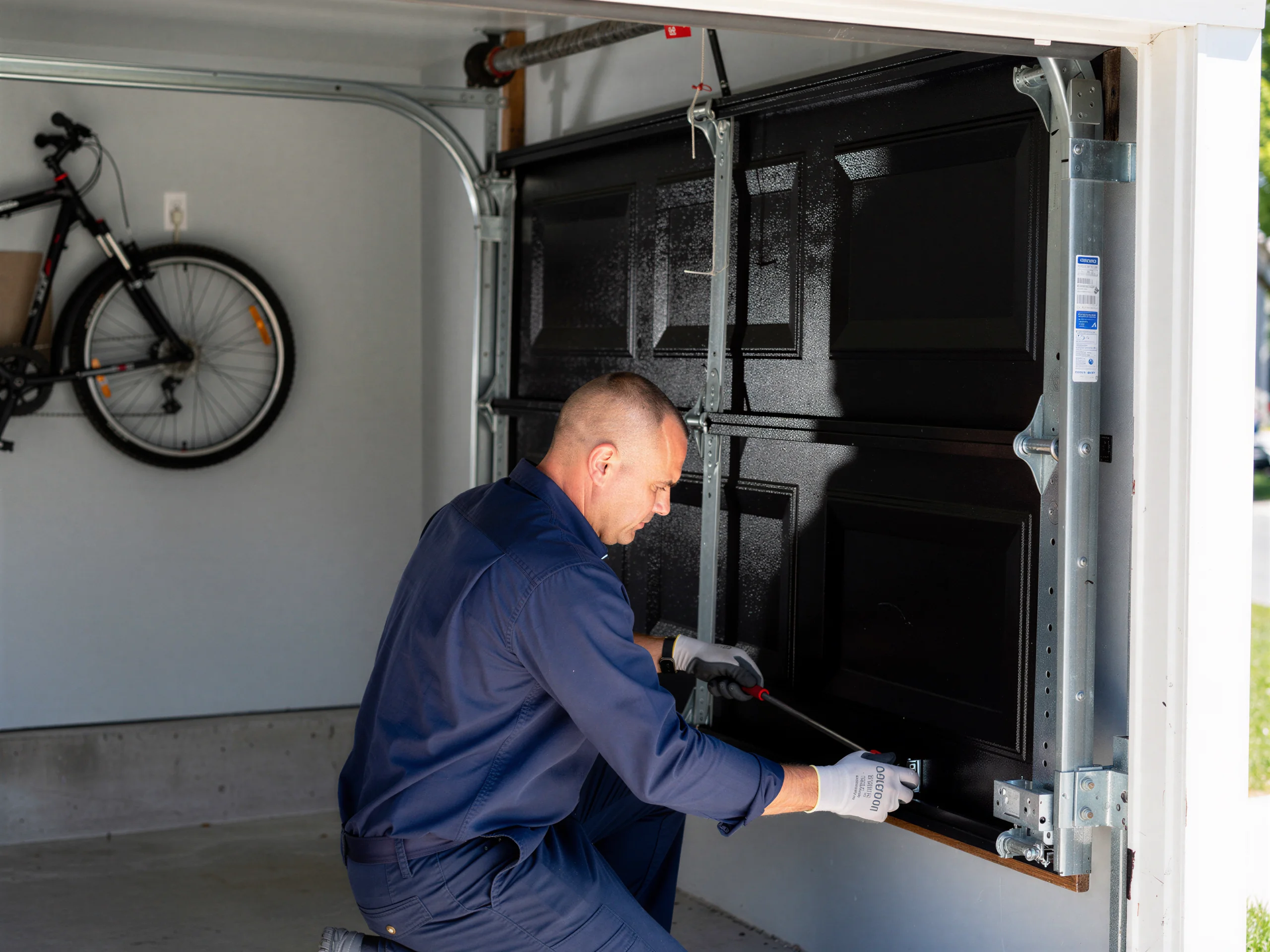
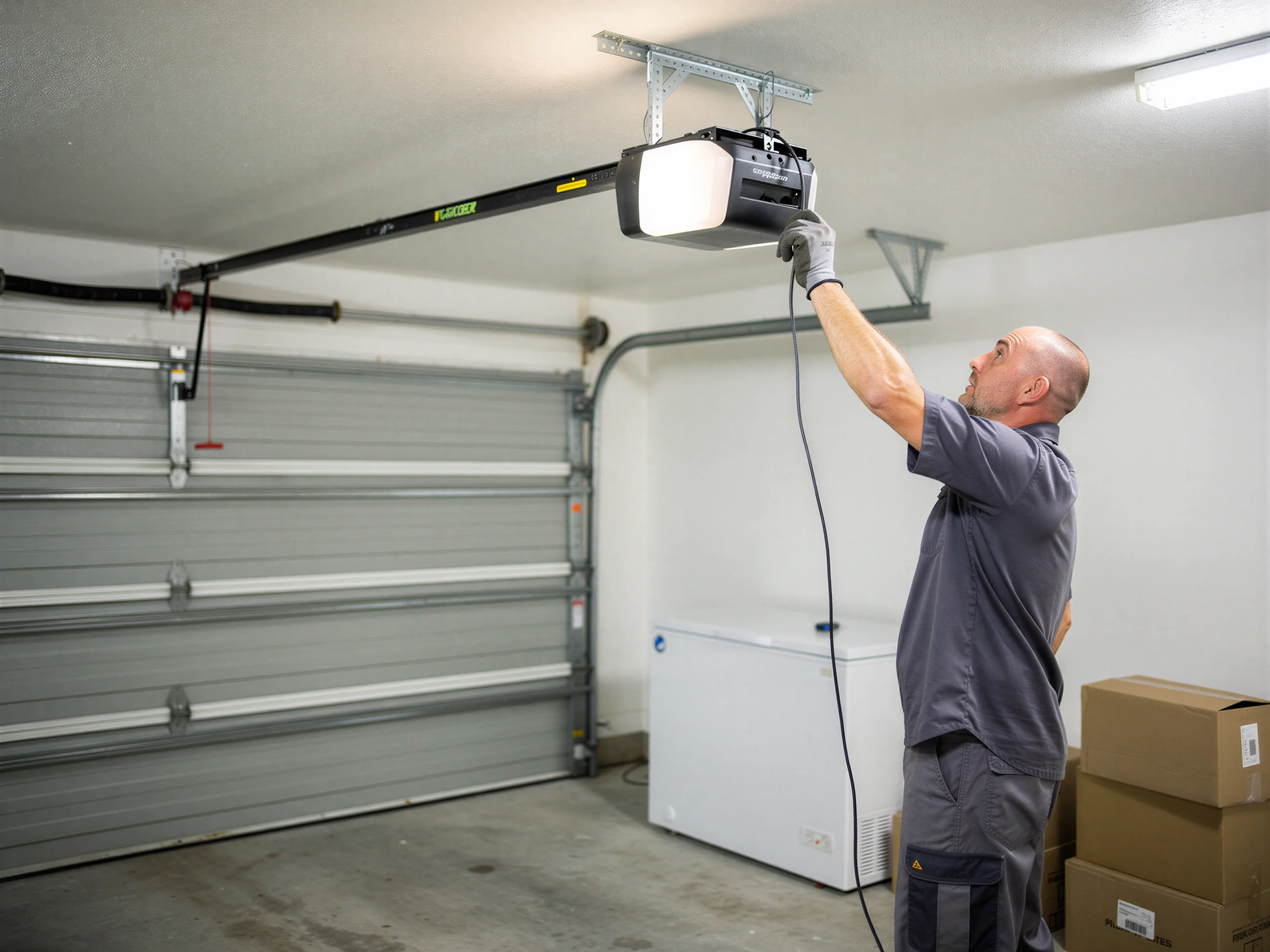
From there it's a standard sequence: removing the old unit, matching horsepower to door weight, running new wiring where the old surface-mounted wire has degraded, and setting the travel limits and safety sensors.
Weatherproof wiring connections
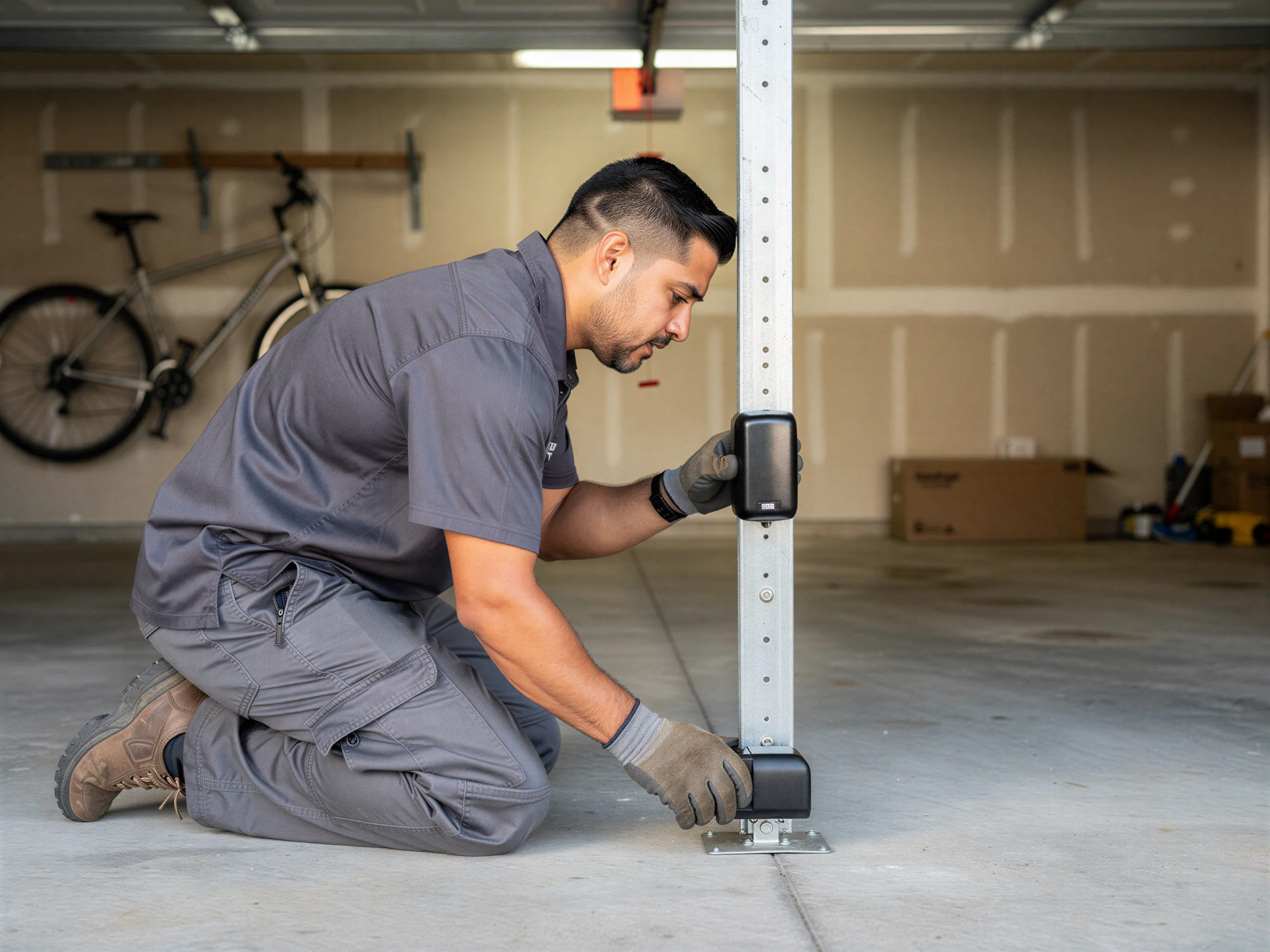
Because of the cold-moderate climate here, we pay extra attention to sensor alignment and weatherproofing on the wiring connections - a loose seal that's fine in a warmer climate can let in enough moisture over a winter to cause a nuisance fault by spring. We test the full cycle, including the reversal safety feature, before we call it done. That last check isn't optional on any install, old house or new.
The DIY Question
Swapping an opener yourself is possible if the existing bracket is sound and the wiring is current. On a lot of Buffalo's older housing stock, neither of those is a safe assumption - wiring from a 1950s build that's been added to over the decades is exactly the kind of thing that turns a weekend project into an electrical problem you didn't sign up for.
Our honest limitation here: we don't do panel upgrades or house wiring beyond the opener circuit itself. If what we find during install points to a bigger electrical issue in the home, that's a job for an electrician, not us, and we'll say so rather than patch around it. If your garage is a newer addition with clean, modern wiring, DIY installation is a reasonable option. If it's original to a house from the early 1950s, we'd rather take a look first.
Talk to a local pro
Garage door service in Bettendorf?
Same-day service with honest, upfront quotes.