
What Causes It Around Here
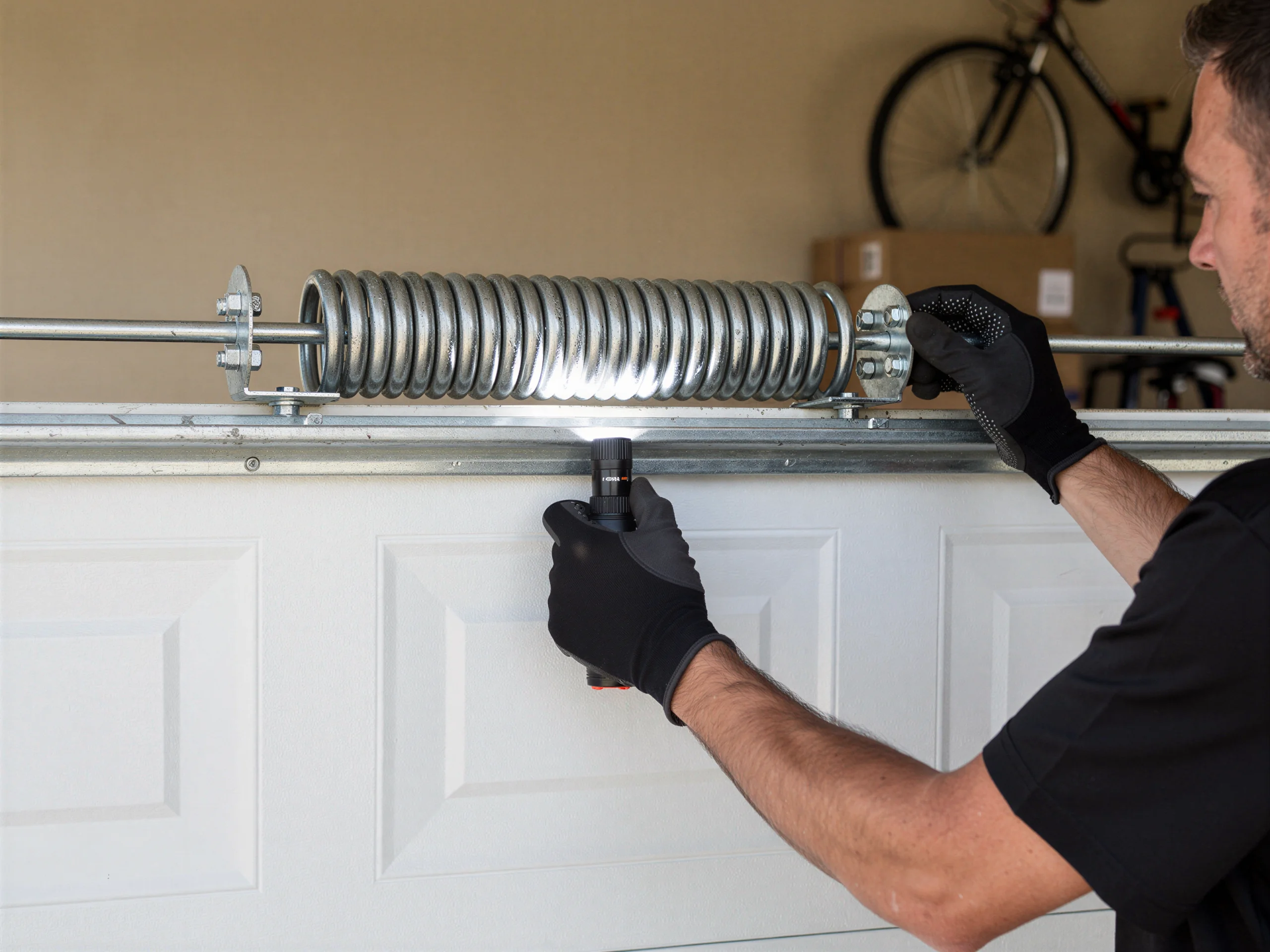
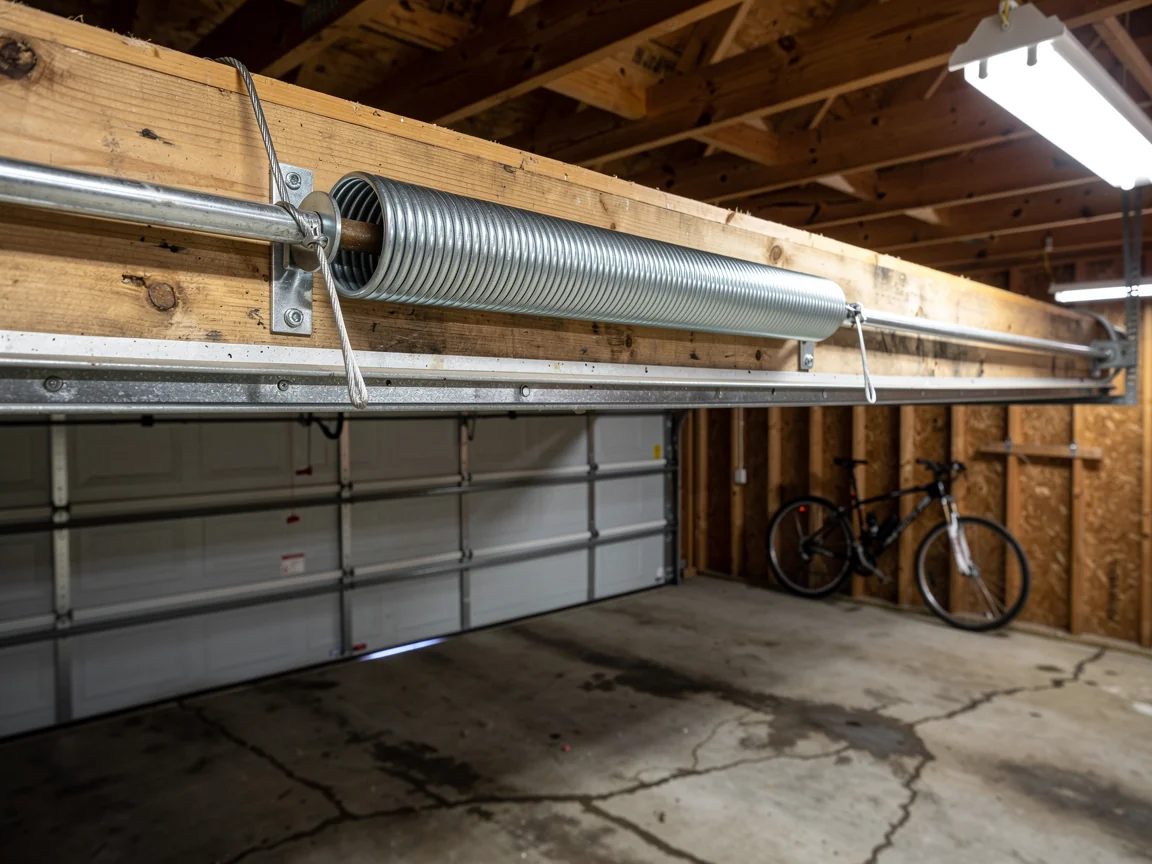
Buffalo is small - 474 households, which is a fraction of the roughly 11,334 across the whole service area. That matters for how emergency calls here actually work: this isn't a street where three garage doors fail in the same week. It's a scattered handful of houses, most of them built around 1952, which puts Buffalo on the older end of a service area where the broader median build year runs closer to 1973. Houses from that era, especially before torsion springs became standard, were often built with extension springs mounted along the horizontal track, or early torsion setups sized for lighter, wood-panel doors. Those parts have been running for seven decades.
The cold moderate climate this region sits in doesn't help old steel. Springs lose tension and develop fatigue cracks faster through repeated freeze-thaw cycles, and a spring that's been stretching and relaxing since the Eisenhower administration is closer to its failure point than one installed in 1995. When it finally lets go, it's usually sudden - a loud bang, a door that won't budge, or one that slams down on its own. That's the call we get from Buffalo more than anything else: old hardware, cold weather, and a spring that finally ran out of cycles.
Time on the Job
We work out of Bettendorf, 17 miles from Buffalo. There's no branch or depot here, so every job starts with a drive, and we're honest about that upfront - we don't promise a response time we can't back up from that distance.
Pre-departure housing review
What we can do is plan ahead. Once we know it's a Buffalo address, we think about the housing stock before the truck leaves: 1952-era doors often use spring sizes and track hardware that newer suburbs don't need, so we check what's loaded before we're on the road instead of discovering a gap once we're standing in the driveway.
Repair time stays constant
The actual repair time on site doesn't change much with distance - a torsion spring swap or a cable replacement takes about as long in Buffalo as anywhere else in the service area.
Arrival time expectations
What distance adds is the drive itself, which is worth knowing if you're trying to figure out when help will actually show up. We'd rather tell you that straight than make a promise about minutes we can't keep from 17 miles out.
Stocked Parts
Because a chunk of Buffalo's housing dates to the early 1950s, the truck carries spring sizes and drum hardware that cover older torsion setups, not just the newer standard doors you'd find in a subdivision built in the 1990s.
Specialty hinge spacing
Original one-piece doors from that era sometimes used track hardware and hinge spacing that differs from today's sectional doors, and if a part isn't something we carry, that's a real limitation - a specialty piece for a seventy-year-old door can mean a short wait on parts rather than a same-visit fix.
Income gap shapes talks
The area's median household income sits at $74,773, noticeably under the $84,380 median across the wider service area. That gap shapes the conversation on site more than people expect: when a repair can keep an old door running safely for several more years, that's usually the call worth making here, rather than jumping straight to full replacement.
Spring swap payoff
We'll tell you flat out when a spring or cable swap buys real time, and when the opener or the door itself is too far gone for that math to hold.
What the Fix Involves
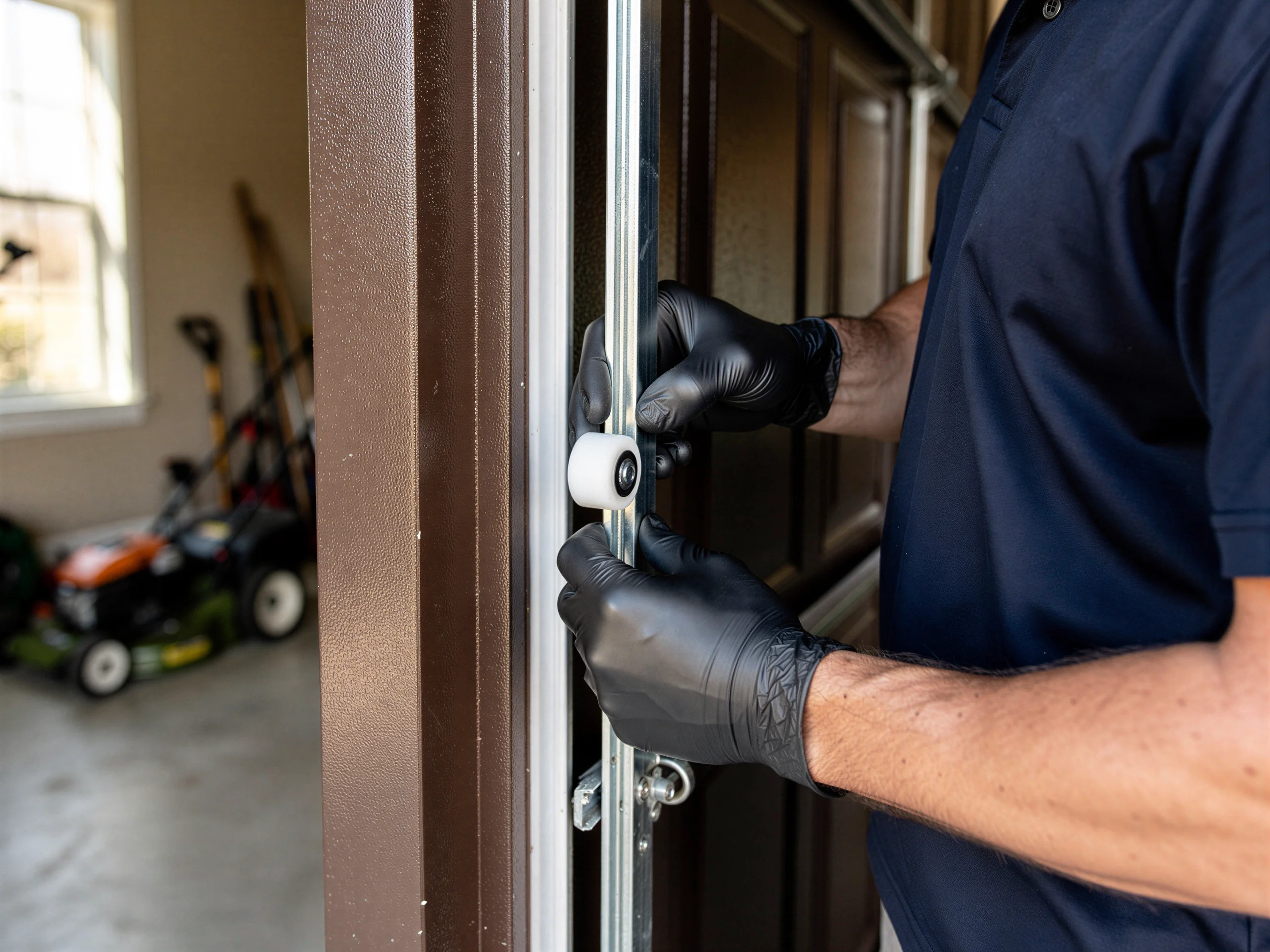
On a house built around 1952, the first thing we check isn't the spring - it's what the spring is attached to. Decades-old track brackets and jamb hardware have sometimes been painted over, patched, or loosened by settling, and a new spring on a tired bracket is a short-term fix dressed up as a long-term one.
Inspection before spring work
We inspect the drum, the cable ends, and the track alignment before we touch the spring itself, because on a door this old, the failure that brought us out is rarely the only thing wearing down.
Sizing and winding springs
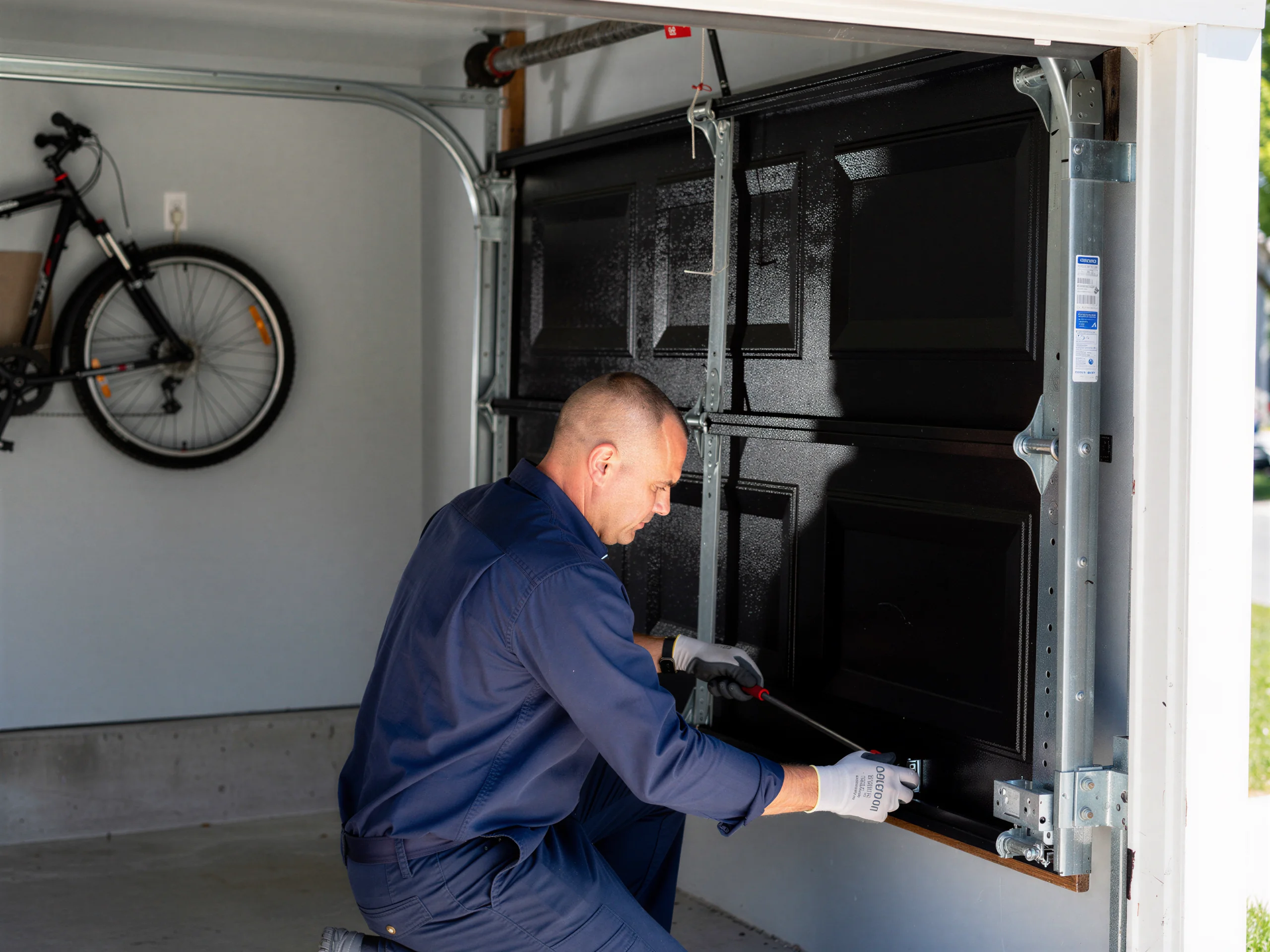
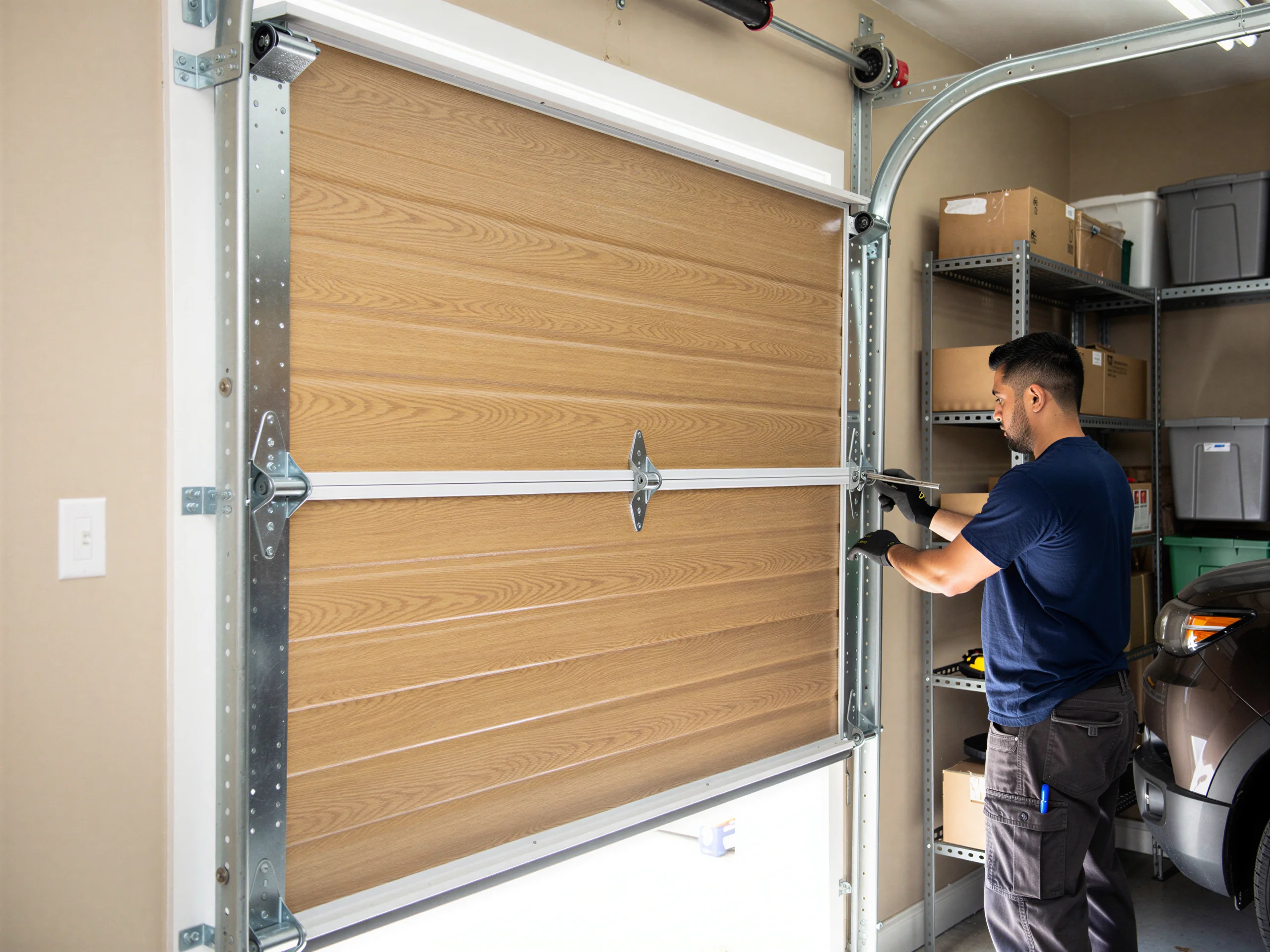
Once the hardware checks out, the swap itself is routine: old spring off, new one sized and wound to the door's actual weight, cables and pulleys checked for fraying, and the door run through a full open-close cycle before we call it done.
Separate opener flag
If the opener is original to the house too, we'll flag that separately - a 1950s-era door with a newer opener bolted on is a different conversation than one where everything's original, and we won't push a repair on a part that's clearly at the end of its run.
The DIY Question
A torsion spring under tension can take a finger or worse, and that doesn't change based on how old the house is. If the spring's broken and the door is down, the safe move is to leave it alone and call rather than crack the door open with a pry bar. That part's true everywhere, not just in Buffalo.
What's worth knowing locally is that older extension-spring setups, more common in this 1952-median housing stock, are easier to misjudge than they look. The spring sits along the track in plain sight, which makes people think it's a simple swap. It still holds real tension, and the mounting brackets on a door this age are sometimes rusted or stripped from decades of use, which means a DIY spring swap can pull a bracket loose instead of just replacing a spring. If you're set on doing some of the work yourself, lubricating rollers and tightening visible hardware is reasonable. Springs, cables, and anything under tension aren't.
Talk to a local pro
Garage door service in Bettendorf?
Same-day service with honest, upfront quotes.