What Causes It Around Here
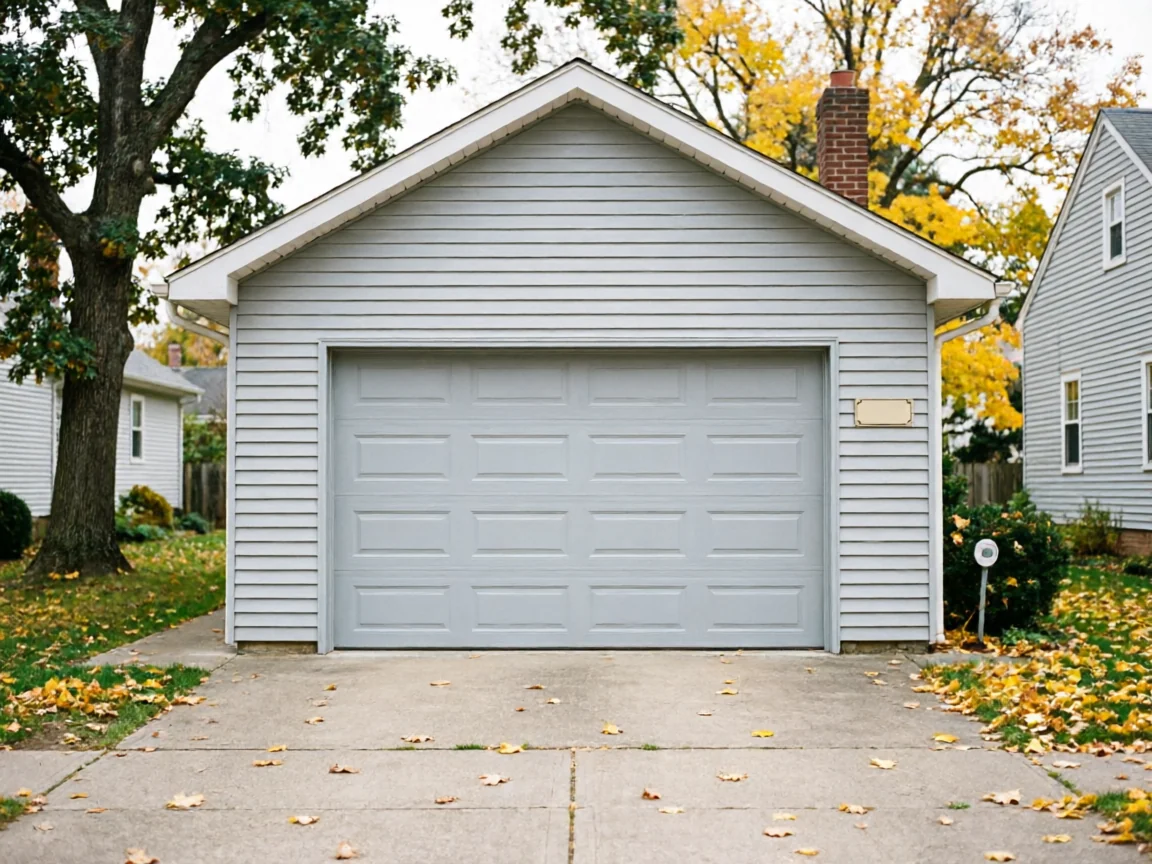
Buffalo's housing stock centers on 1952, which puts it ahead of the curve for this part of the service area - most of the ten communities we cover didn't fill in until the 1960s and '70s. A 1952 build means the garage, if original, was framed for a door that predates today's torsion-spring norm. A lot of these houses got retrofitted at some point with a torsion spring over the opening, but the track and roller spacing often still reflect the older layout, which is narrower than what a modern steel door expects. That mismatch is where we see rollers binding and cables jumping their drum, especially on doors that haven't been touched since whoever added the opener. Add the cold-winter climate here and steel contracts in January in ways that reveal every bit of slack in an old track. We're not guessing at this from a brochure - a house built in 1952 in eastern Iowa has a specific set of problems, and they're not the same problems a 1975 split-level has three miles away. One honest note: if your garage still has its original wood-frame door from that era, we'll tell you straight when a repair isn't worth chasing and replacement makes more sense.
Time on the Job
We run out of Bettendorf, about 17 miles from Buffalo, so we don't keep a crew sitting idle nearby waiting on a call.
Scheduled visits, not walk-ins
What that means in practice: we schedule the trip, not show up on a whim, and we're upfront that Buffalo isn't a five-minute hop. Buffalo's a small place - 474 households by the last count - so we're not working this street every week the way we might in a denser part of the service area.
Parts loaded before visits
That's fine. It just means we plan the visit with the right parts already loaded, because a second trip back to Bettendorf for a part we forgot costs everyone the afternoon. We'd rather spend ten extra minutes on the phone beforehand figuring out what your door actually needs.
Stocked Parts
Because a good share of Buffalo's garages are working off 1952-era framing even where the door itself has been replaced, we load the truck for older torsion and extension spring setups, not just the newer stuff. That means standard-wind torsion springs in the sizes common to pre-1960 openings, galvanized lift cables sized for shorter overhead clearance, and the narrower track sections some of these garages still use. We also carry weatherstrip built for cold-climate swings, since steel doors here go through real freeze-thaw cycling each winter and the seals wear faster than the national average part would suggest. What we don't always have on the truck is a replacement panel matched to a door that's been out of production for decades - if your door is that old, we'll likely be talking full replacement rather than patching one section.
What the Fix Involves
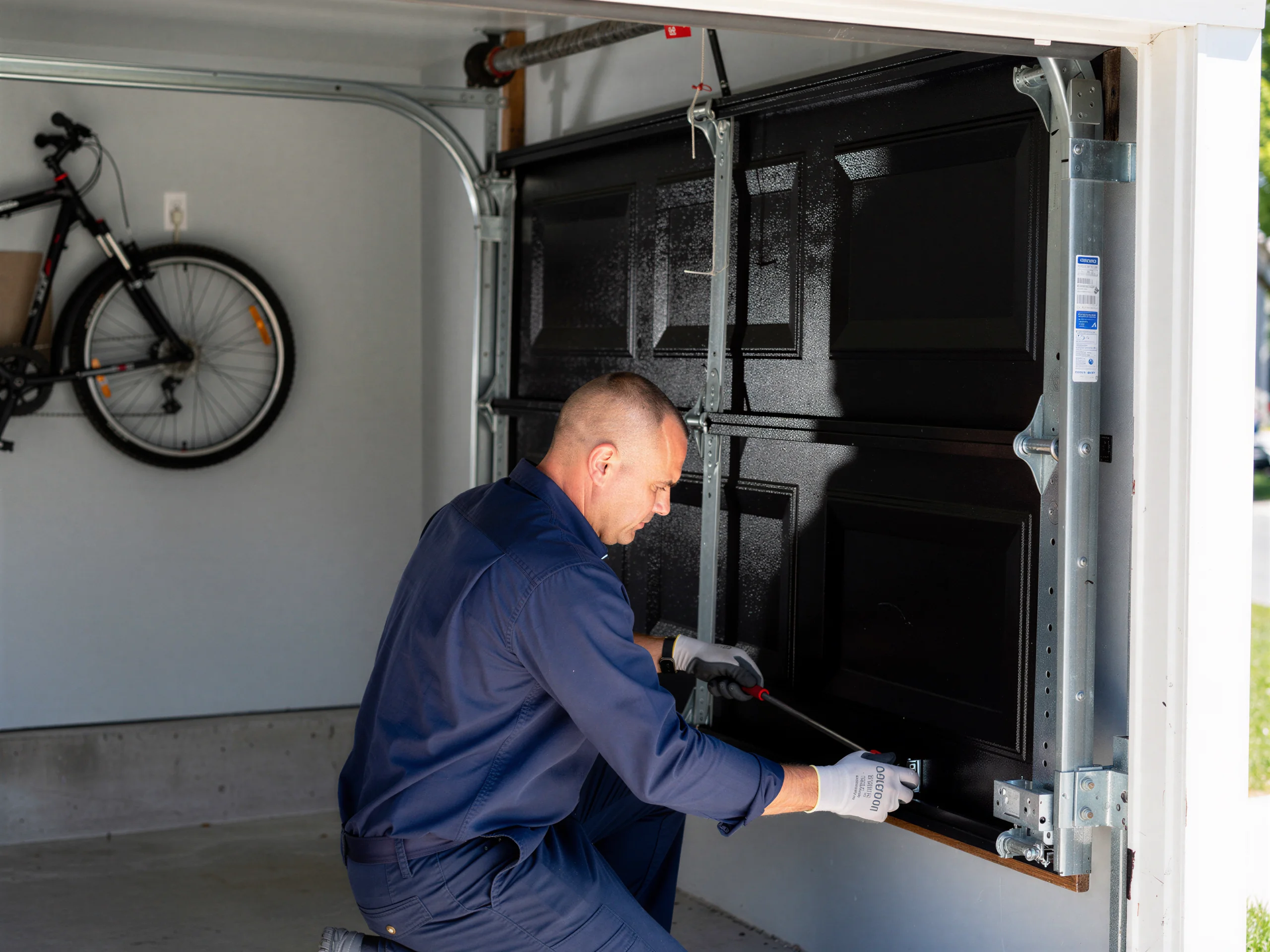
On a typical call in Buffalo, the first thing we check is whether the track spacing matches the door currently hung on it, since that mismatch from retrofit decades back is so common here.
Spring type identification
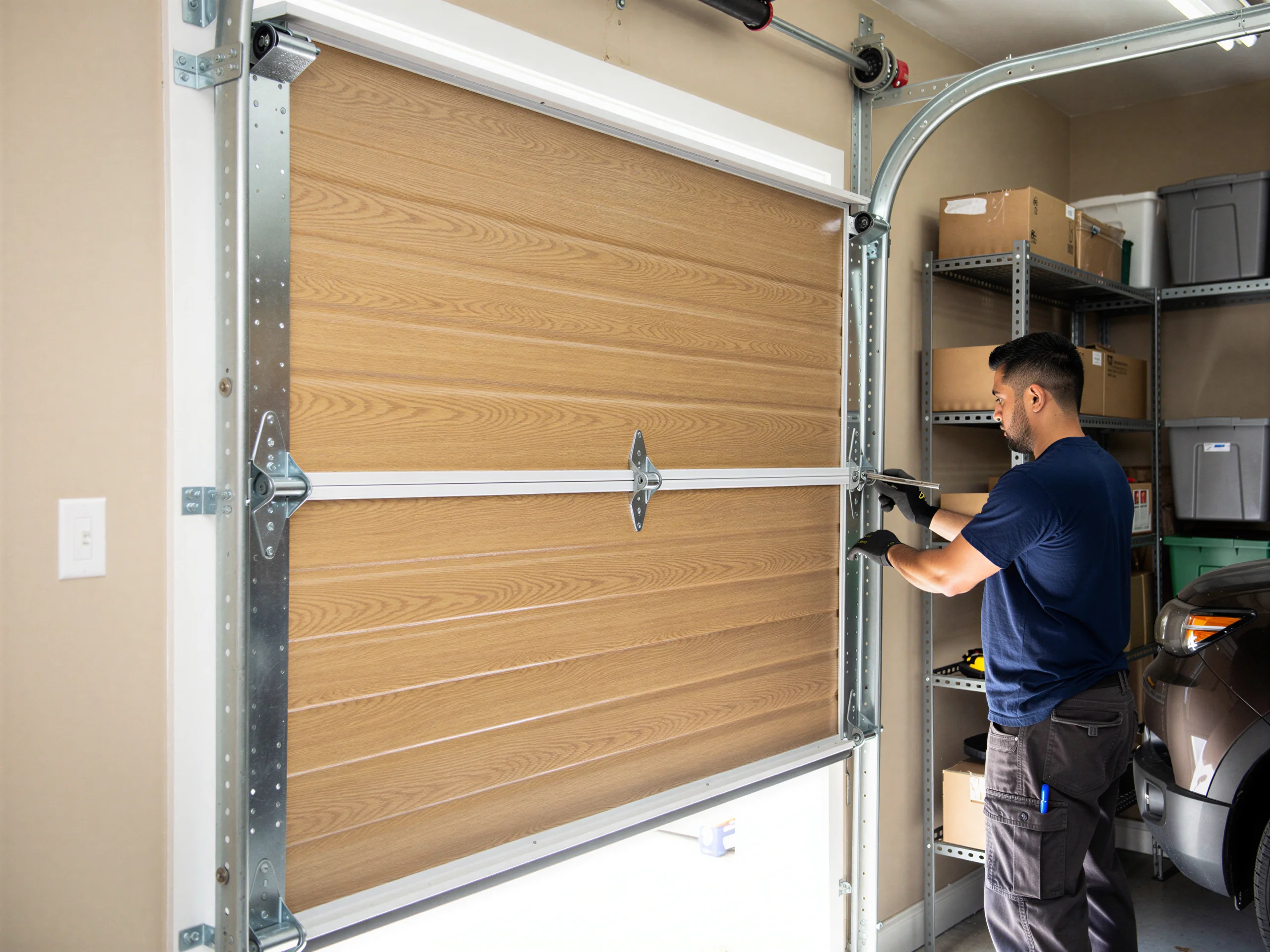
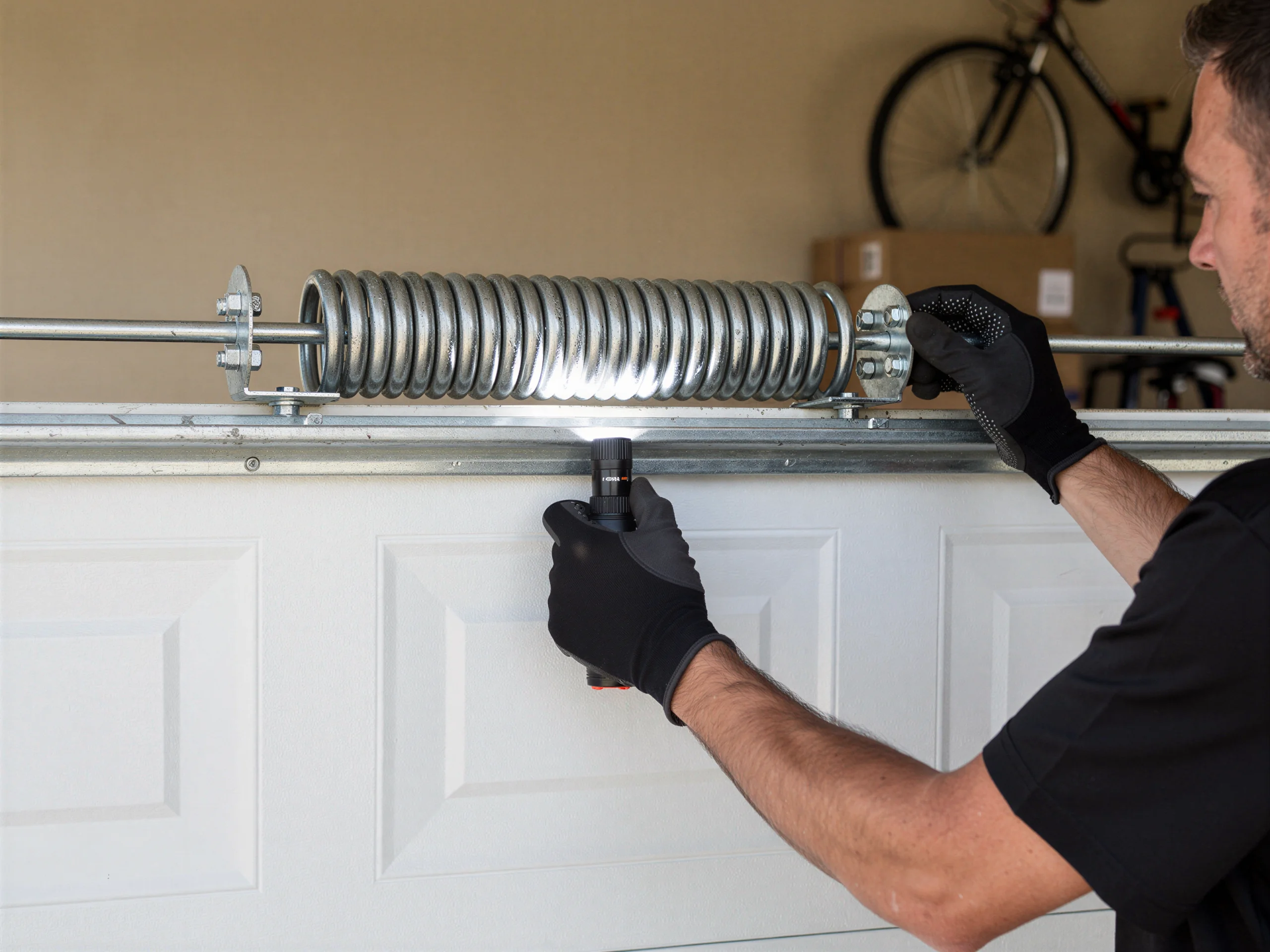
If the spring is the issue, we're looking at torsion or extension depending on what's actually installed, not assuming one or the other - plenty of these older garages still run a pair of extension springs instead of a torsion bar, which changes the whole repair. Cable replacement often goes hand in hand with a spring job on a door this age, since both components wear on the same cycle.
Force testing order
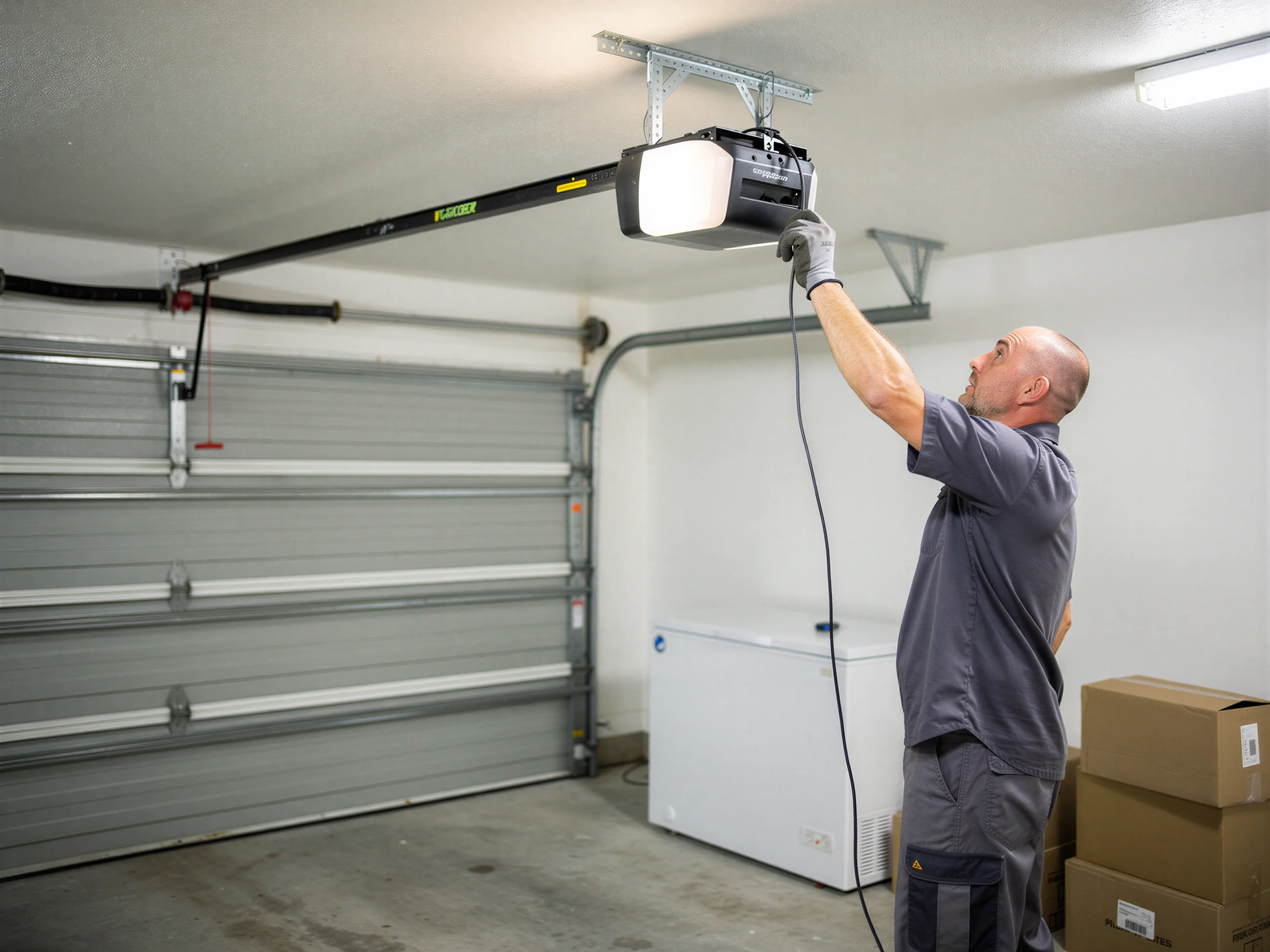
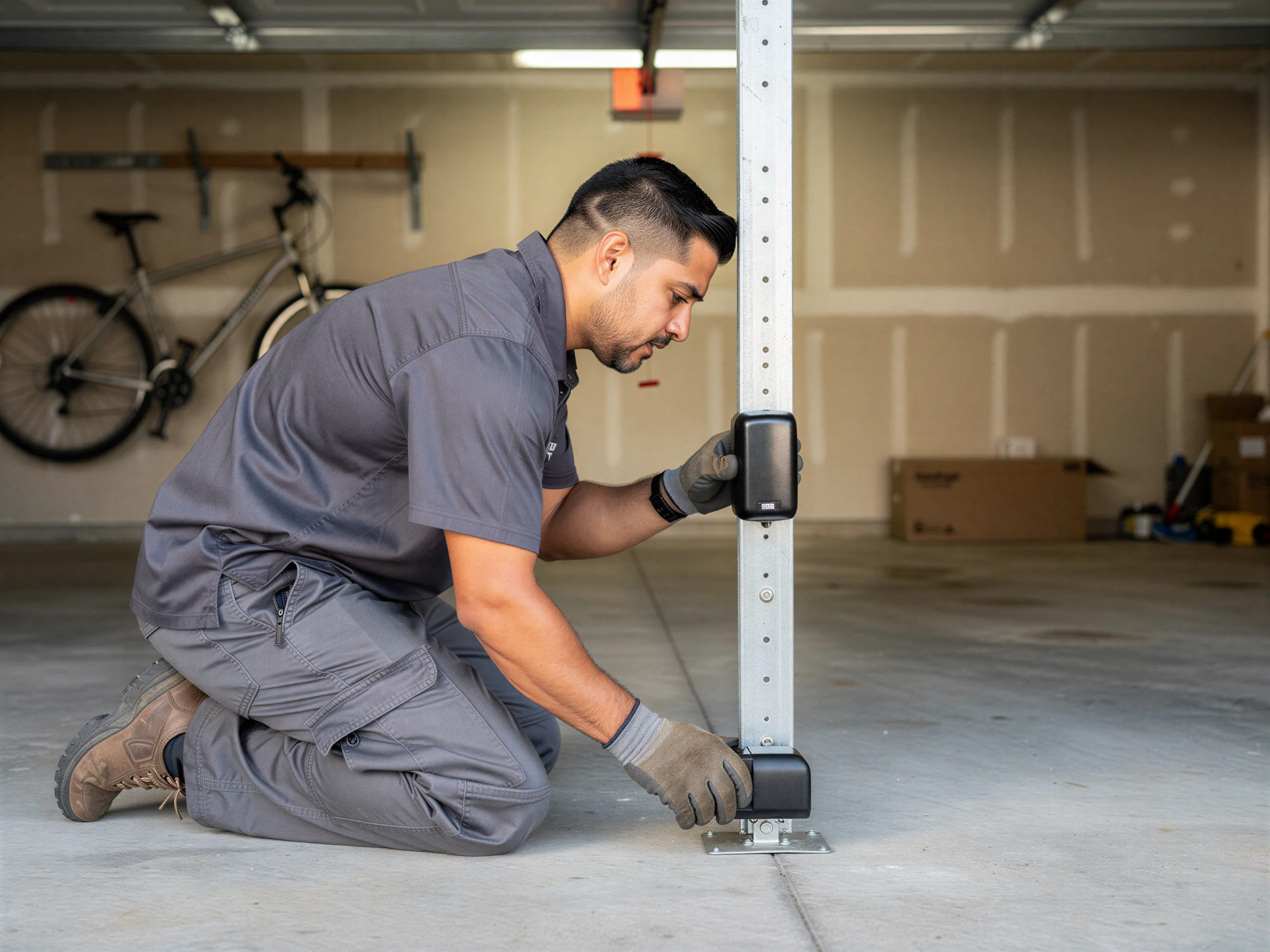
We test the opener's force settings last, because a door with worn hardware will throw false readings on auto-reverse testing if you check it first. None of this is exotic work - it's straightforward once you know what decade you're dealing with, and in Buffalo, that decade is usually the early 1950s.
The DIY Question
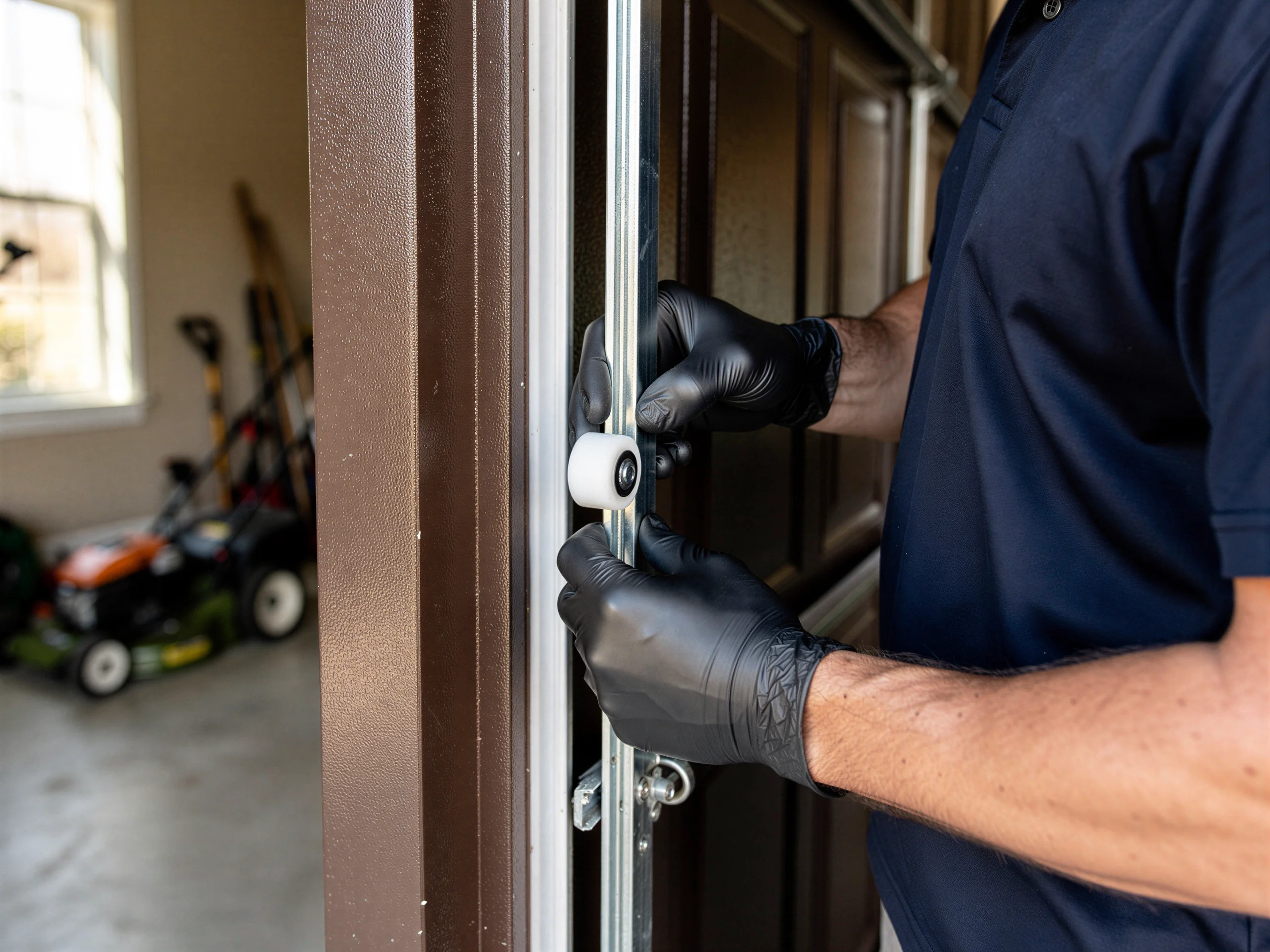
A torsion spring under tension can take a finger or worse, and that doesn't change based on the town. What does change here is that older hardware - the kind still common on 1952-built garages in Buffalo - often has nonstandard spring winding cones or outdated mounting brackets that don't match the torque specs printed on a big-box replacement spring. Guessing wrong on tension with unfamiliar hardware is worse than guessing wrong on newer gear, because the failure mode is less predictable. Rollers, weatherstrip, and tightening loose hardware are reasonable DIY jobs on any door. Springs, cables, and anything involving the torsion bar are not, especially on a door this old where the original spec sheet is long gone.
Talk to a local pro
Garage door service in Bettendorf?
Same-day service with honest, upfront quotes.