Stocked Parts
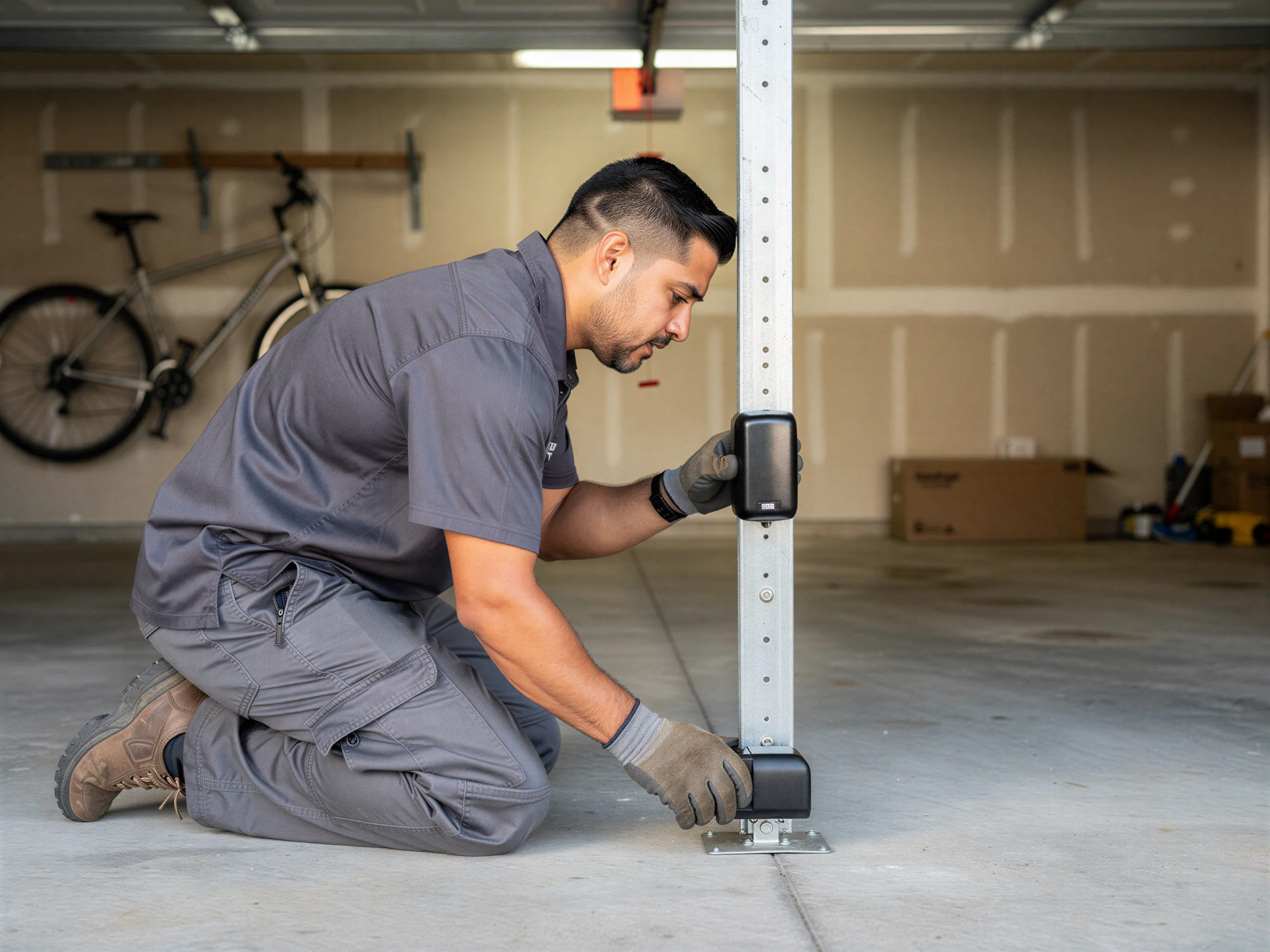
Walcott's housing stock centers on 1972, which puts most garage doors here on the same generation of torsion hardware the wider service area was building through the 1960s and 70s. That means a narrow, predictable band of spring sizes and end bearing plates, and we carry that range on the truck before we ever leave Bettendorf. What we don't stock is anything custom - oversized commercial doors, odd-width openings, or hardware from a remodel that swapped in a non-standard track. If a job calls for something outside that standard range, we'll tell you on the first visit rather than guess at a fix. For the 766 households in Walcott, the common case is a double-torsion setup sized for a door that's never been touched since the house was framed.
The Symptom
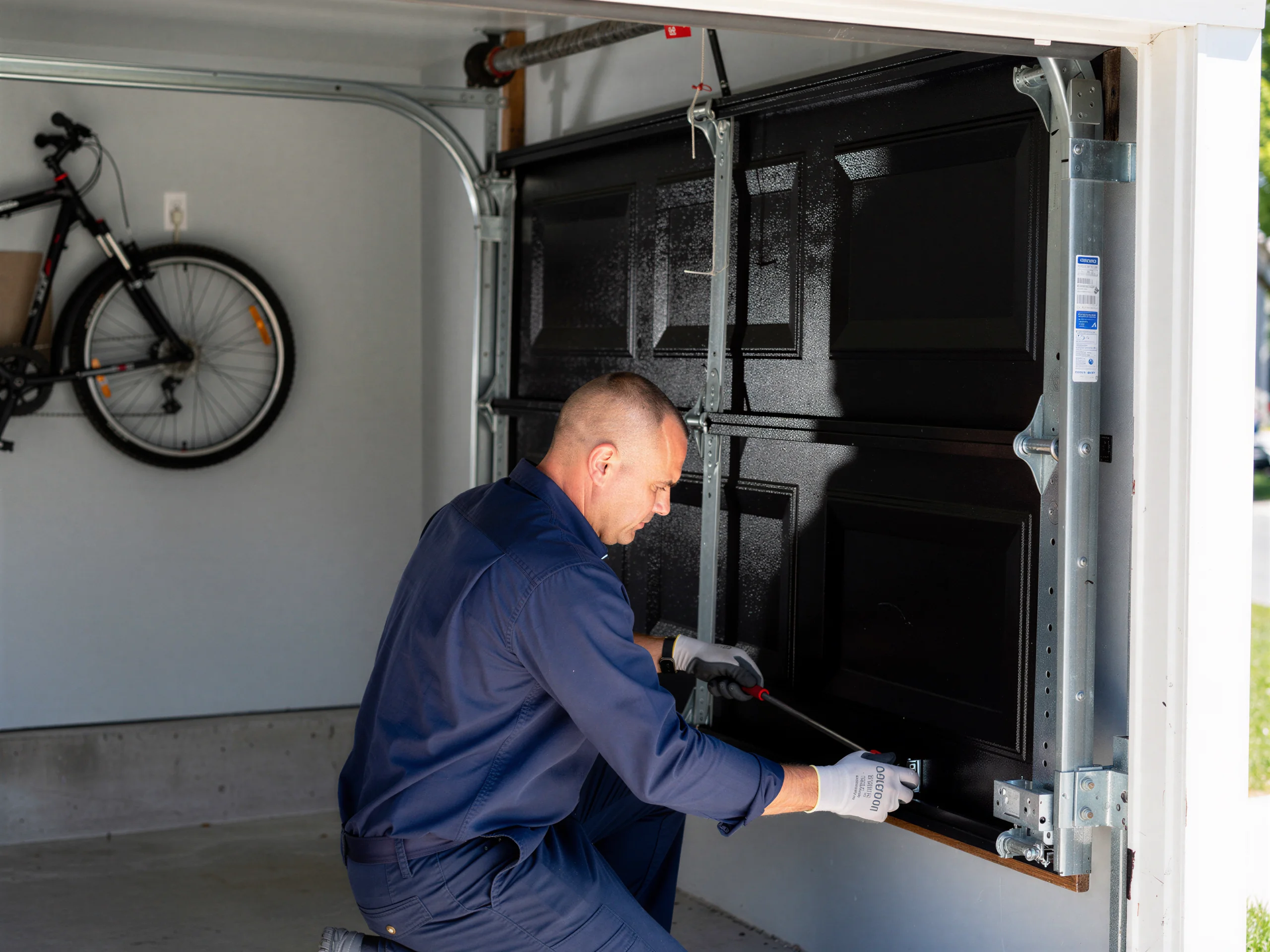
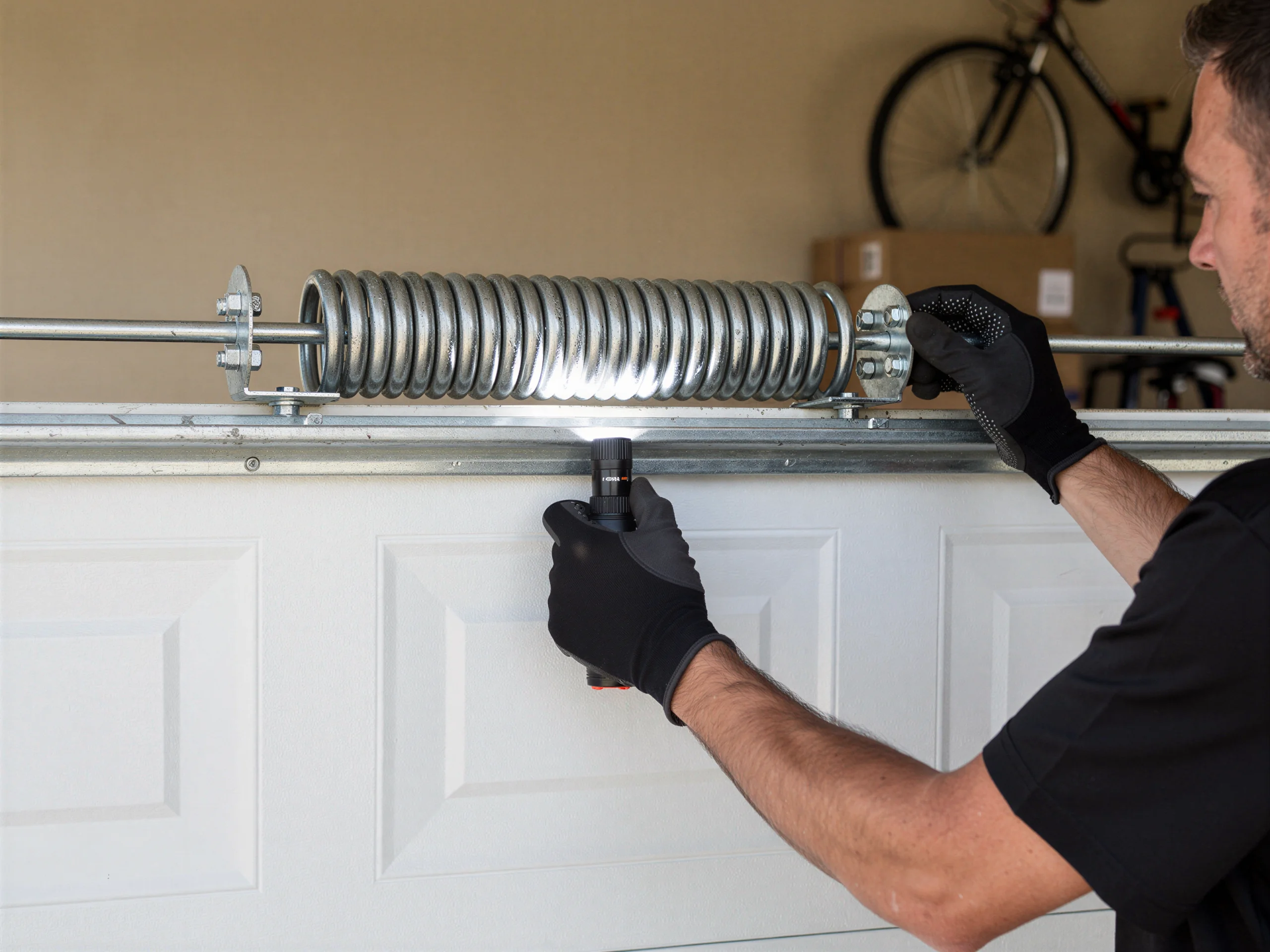
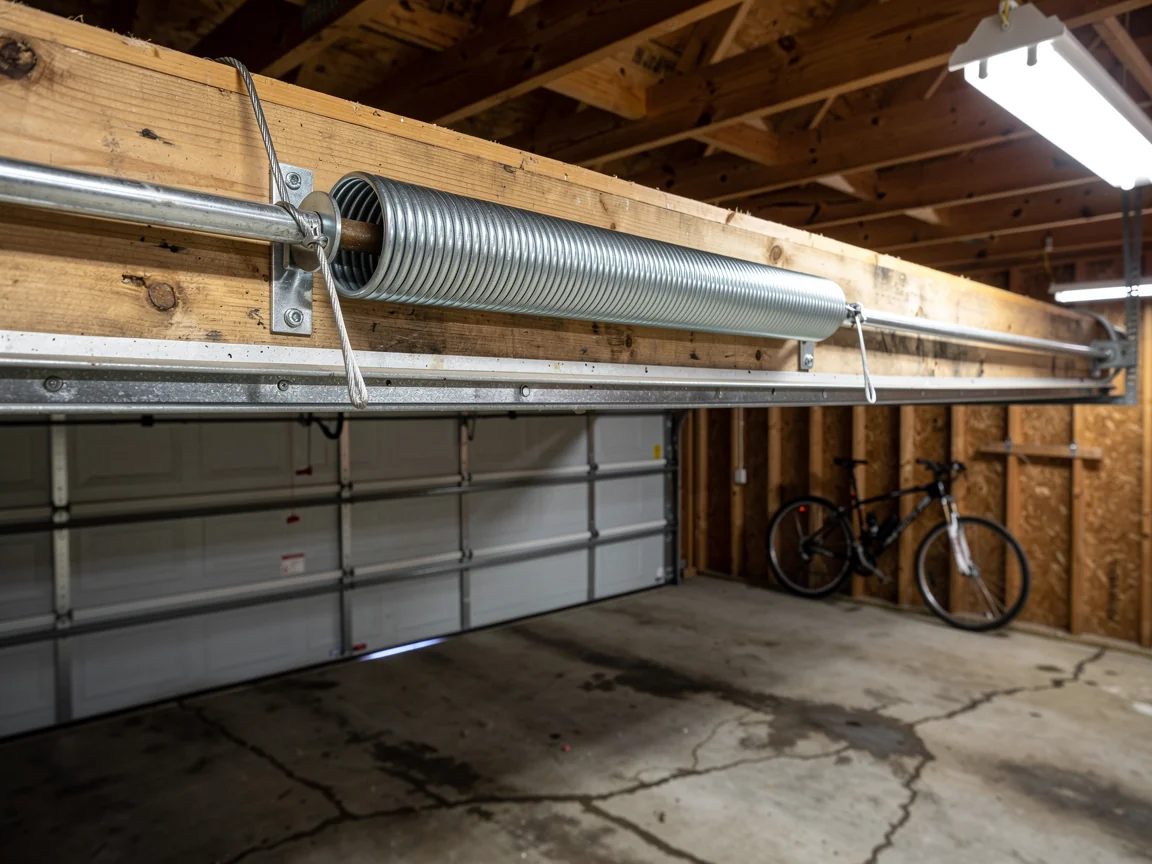
The spring goes first, almost always, and the door tells you before the opener does. If the door won't lift past a foot or two even with help, or it slams down faster than it used to, that's a broken or weakening torsion spring, not a motor problem. You'll sometimes hear it before you see it - a loud bang from the garage, usually when no one's touched the door at all, which is the spring letting go under tension. A door that looks fine sitting shut but fights you hard on the way up is also telling you the spring, not the opener, is doing the work it shouldn't have to do alone anymore.
Booking a Visit
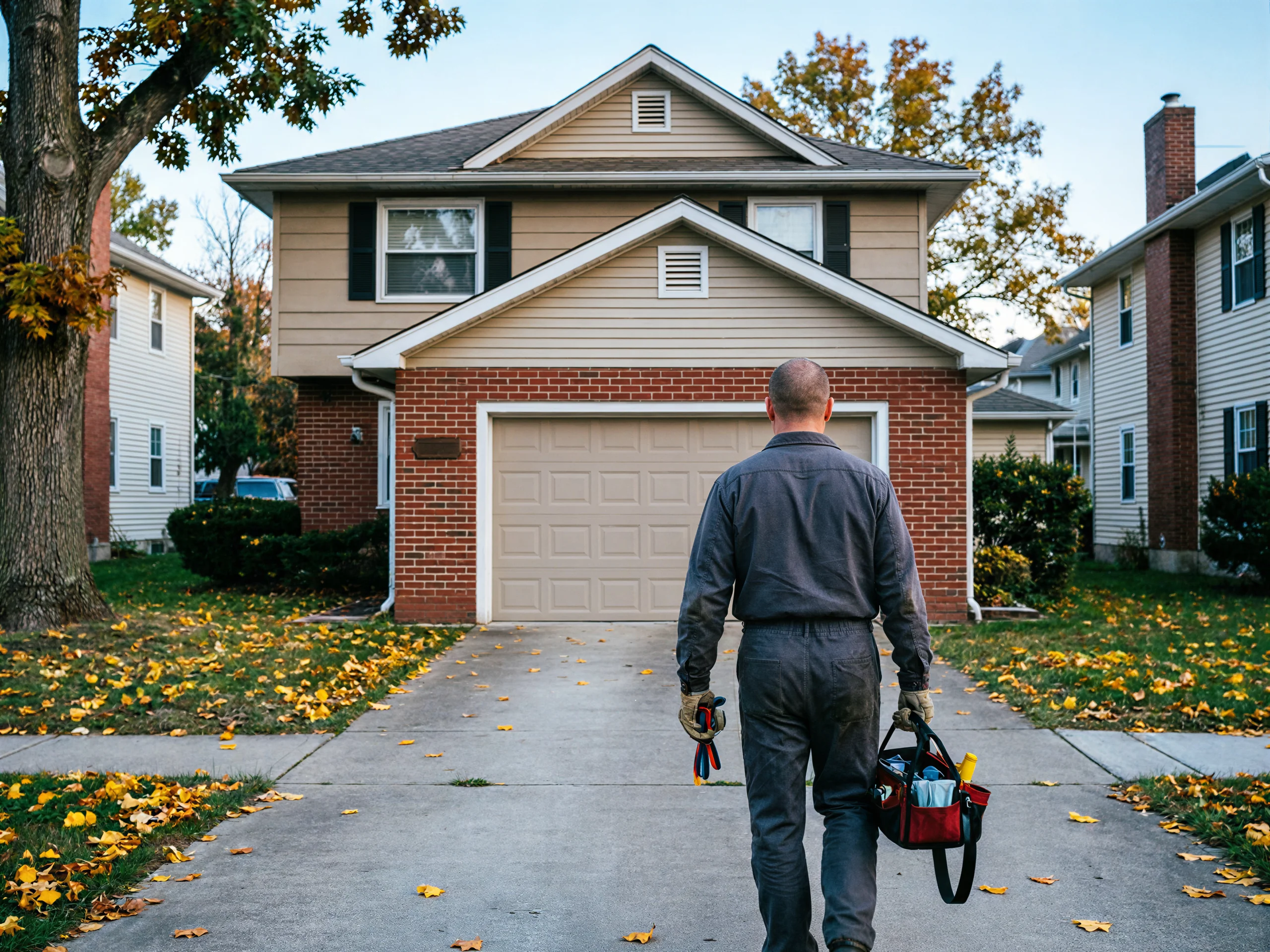
We run out of Bettendorf, about 16 miles from Walcott, so there's no local branch to swing by - every job here starts with a call and a time window, not a drive-by.
Spring size from age
Tell us the door's age if you know it, or just the approximate year the house went up; for most of Walcott that's going to land us near 1972, and that alone tells us what spring size to load before we leave.
Same-day promises limited
We don't promise a same-day fix sight unseen, because a spring call can turn into a track or cable call once we're looking at the door, and we'd rather be straight about that on the phone than surprise you on site.
The Cost of This Job
We don't post a flat number here because spring jobs vary by door weight, spring count, and what else turns up once the door's open - a worn cable or a bent end bearing plate changes the job. What we can tell you is that Walcott's median household income, at $82,756, sits close to the wider service area's $84,380, so there's nothing about this town that pushes pricing one way or the other compared to the rest of what we cover from Bettendorf. Ask for a number on the phone once you've described the symptom, and we'll give you a real range before the truck leaves, not after.
Time on the Job
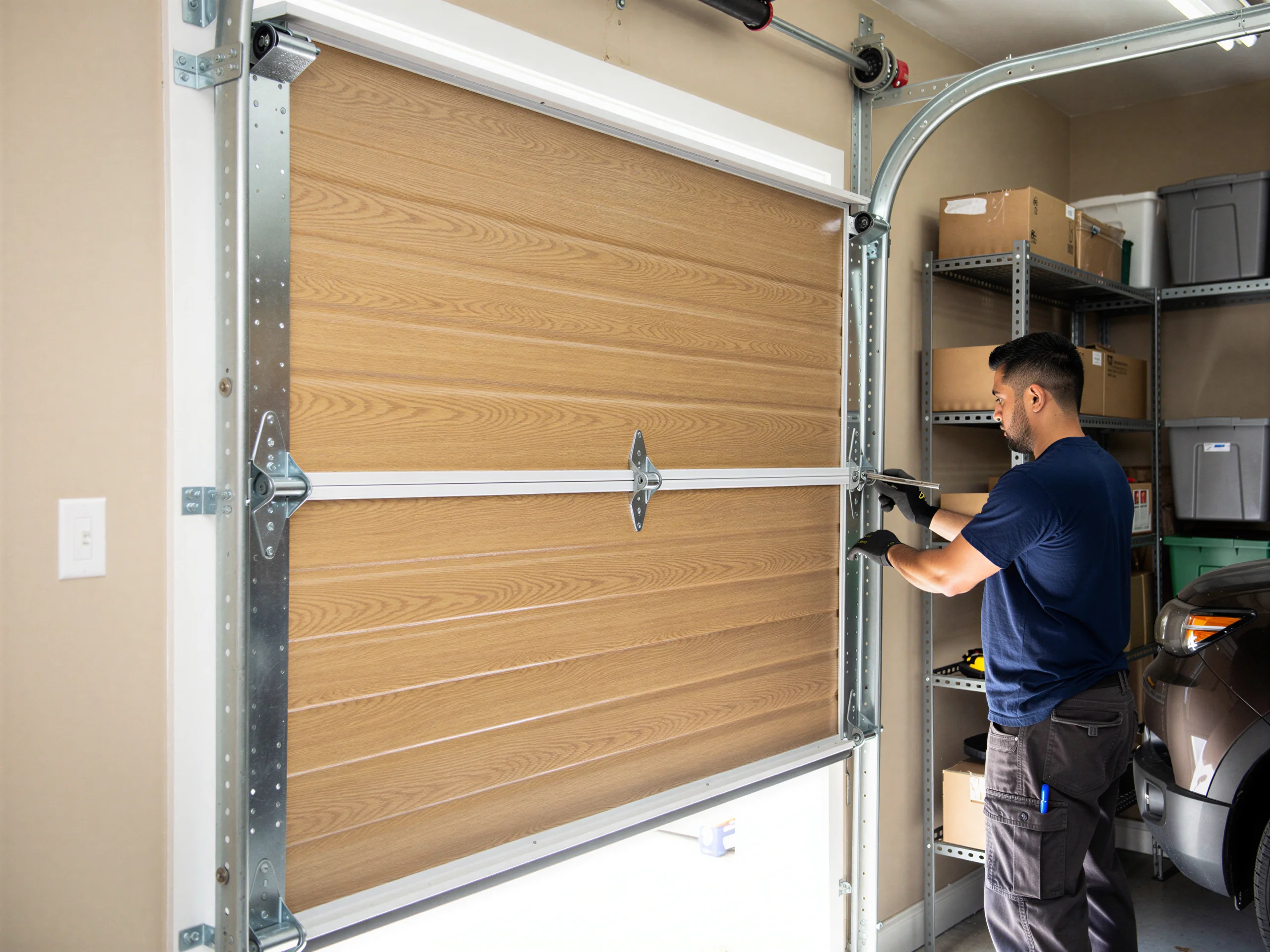
A straight spring swap on a standard double door is usually the whole visit - we're not pulling the opener or the track unless something else is wrong.
Seized bearing plates
Where it runs long is on original 1972-era hardware that's never been serviced: bearing plates can be seized, the cable drums can be worn unevenly, and getting the old spring off safely sometimes takes longer than putting the new one on.
Budgeting older door work
We budget for that on older doors rather than assume a quick in-and-out, because on a door this age, the spring is rarely the only part that's original.
What Causes It Around Here
A torsion spring is rated for a cycle count, not a calendar date, but age still matters because almost nothing else on a 1972 door gets replaced along with it. The hardware was built for the cold-moderate swings this part of Iowa gets every winter, but fifty-some years of those swings - the steel contracting hard in January, the garage never heated - adds up on a part that's wound under constant tension. In Walcott, where median year built sits right at 1972, the springs failing now are almost always original to the house. Nobody replaces a spring on a schedule; it fails when the cycle count and the cold finally catch up with it, usually without warning.
Talk to a local pro
Garage door service in Bettendorf?
Same-day service with honest, upfront quotes.