Stocked Parts
Most of Walcott's housing dates to right around 1972, which puts it square in the extension-spring era rather than the torsion-spring standard that came later.
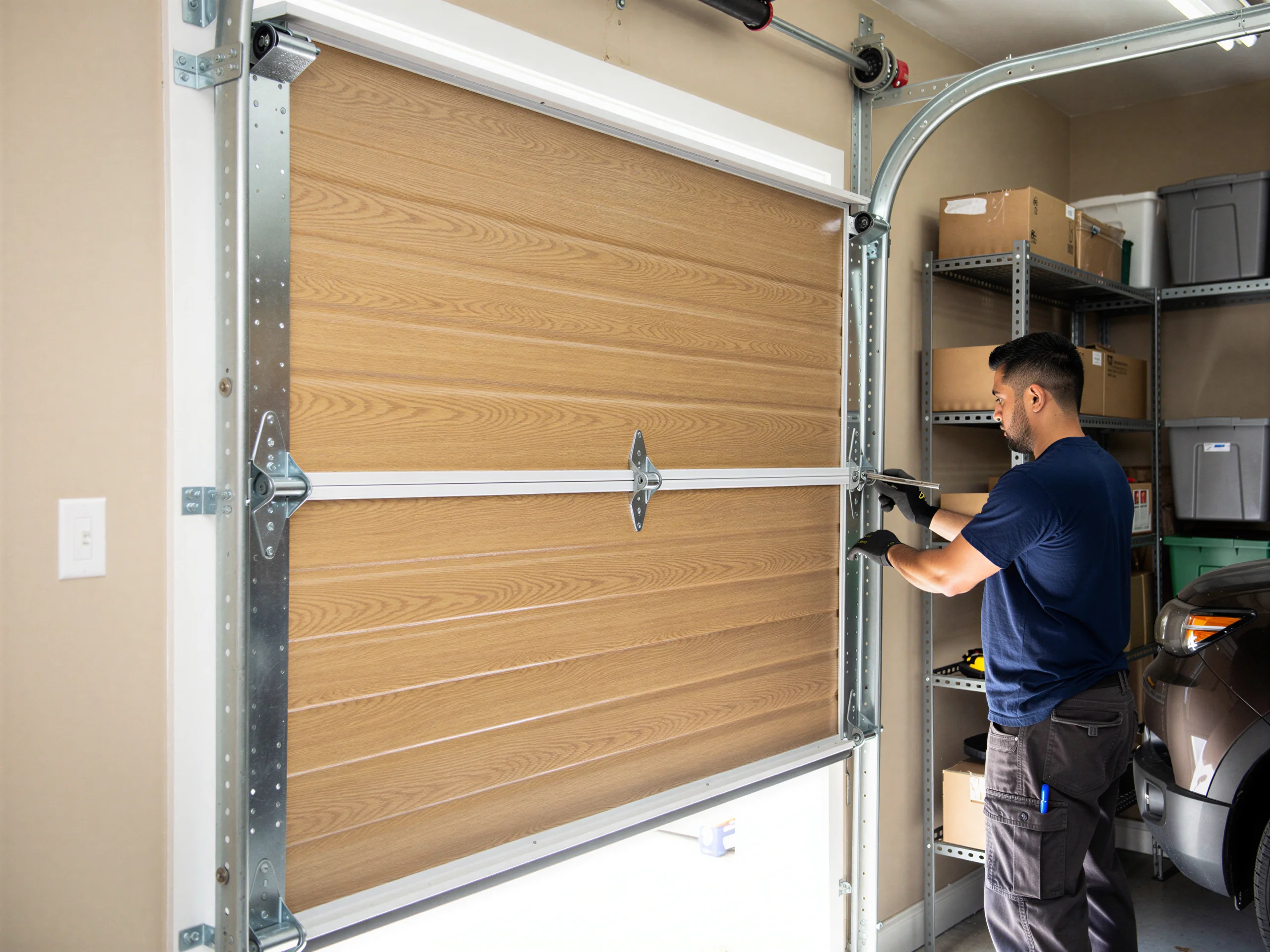
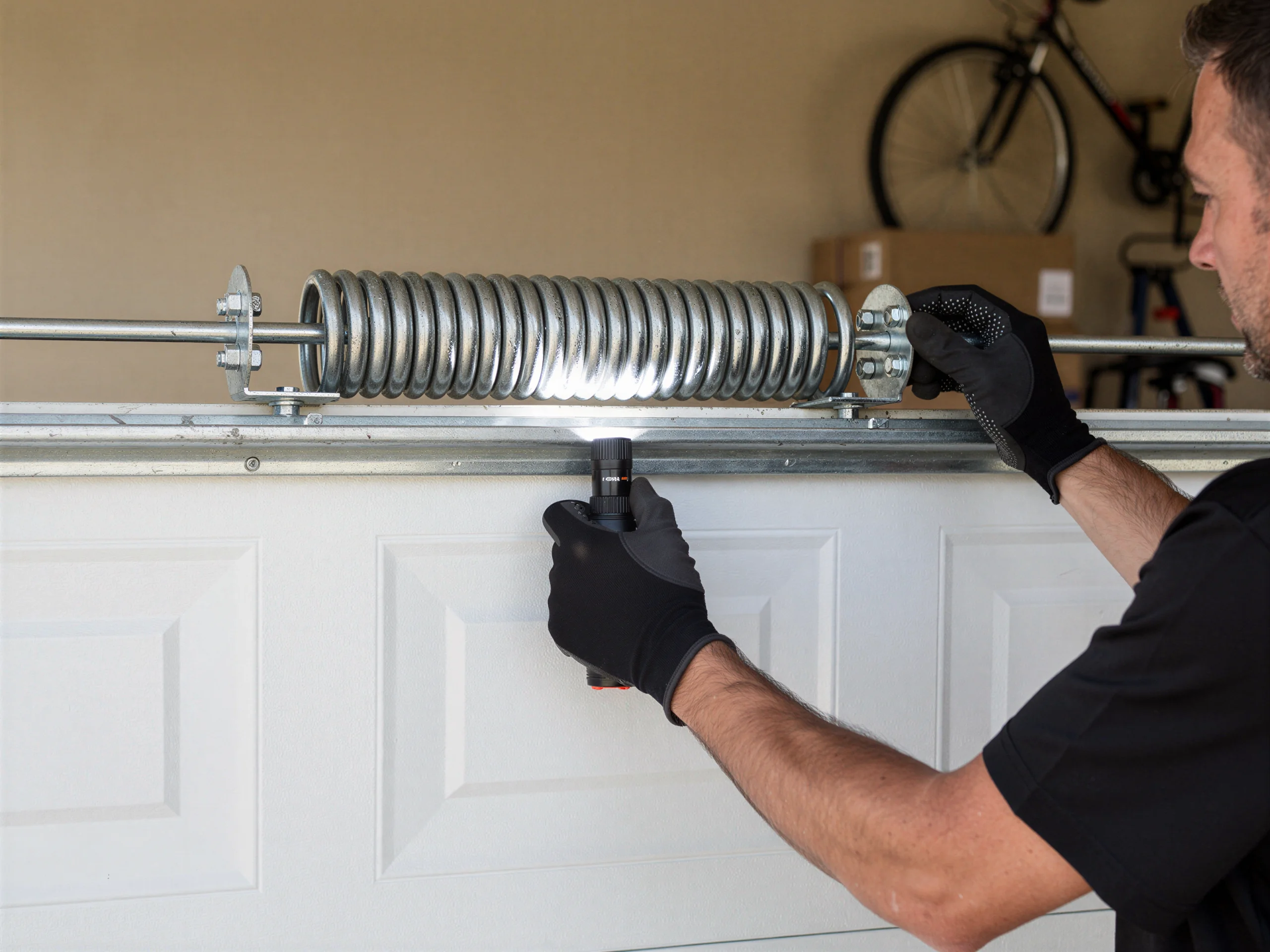
Cable-drum extension springs
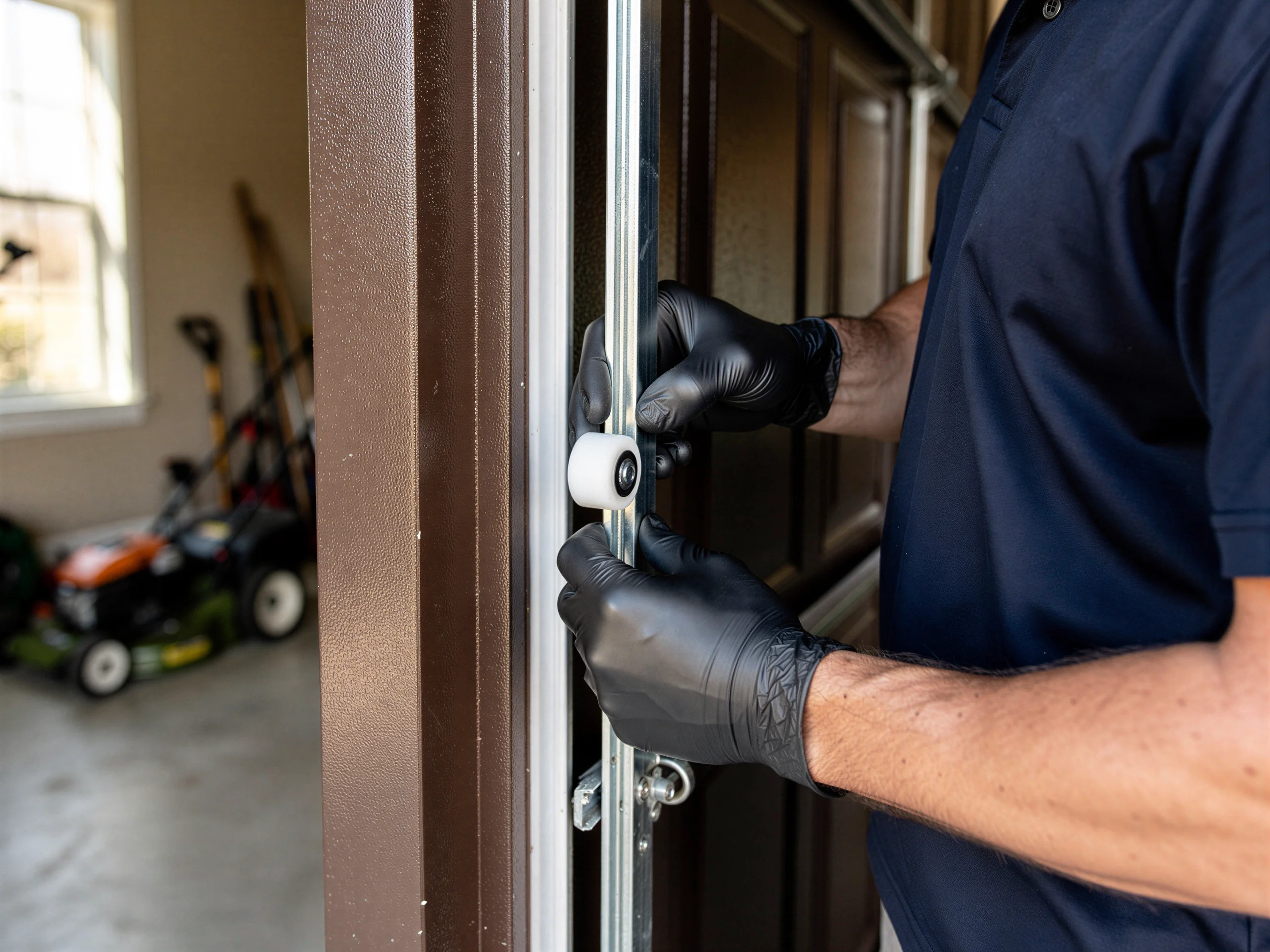
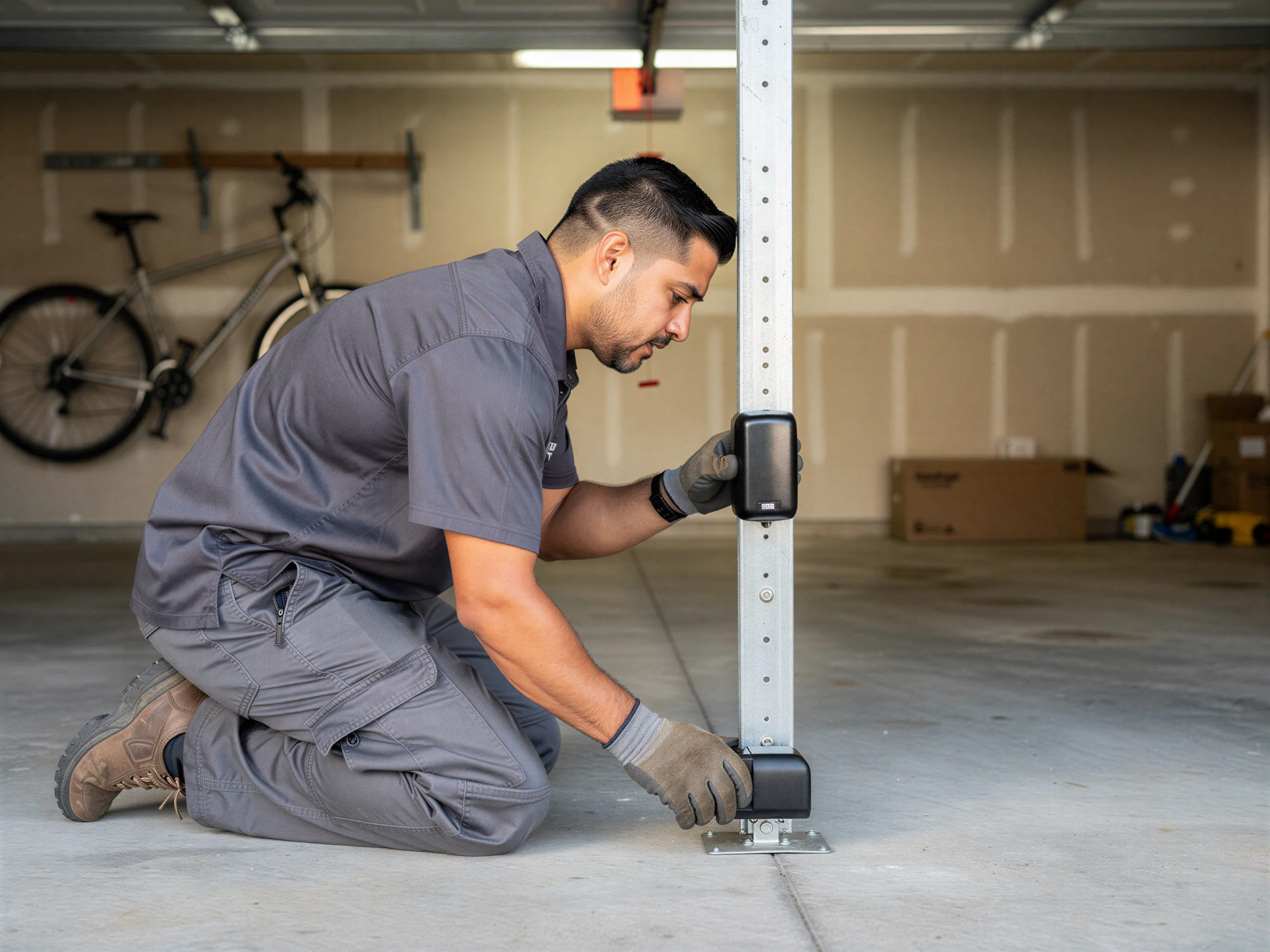
On the truck we carry extension springs in the common cable-drum sizes, plus the steel roll-up panels and single-plate garage openers that builders put on these houses the first time around.
Mixed-generation hardware
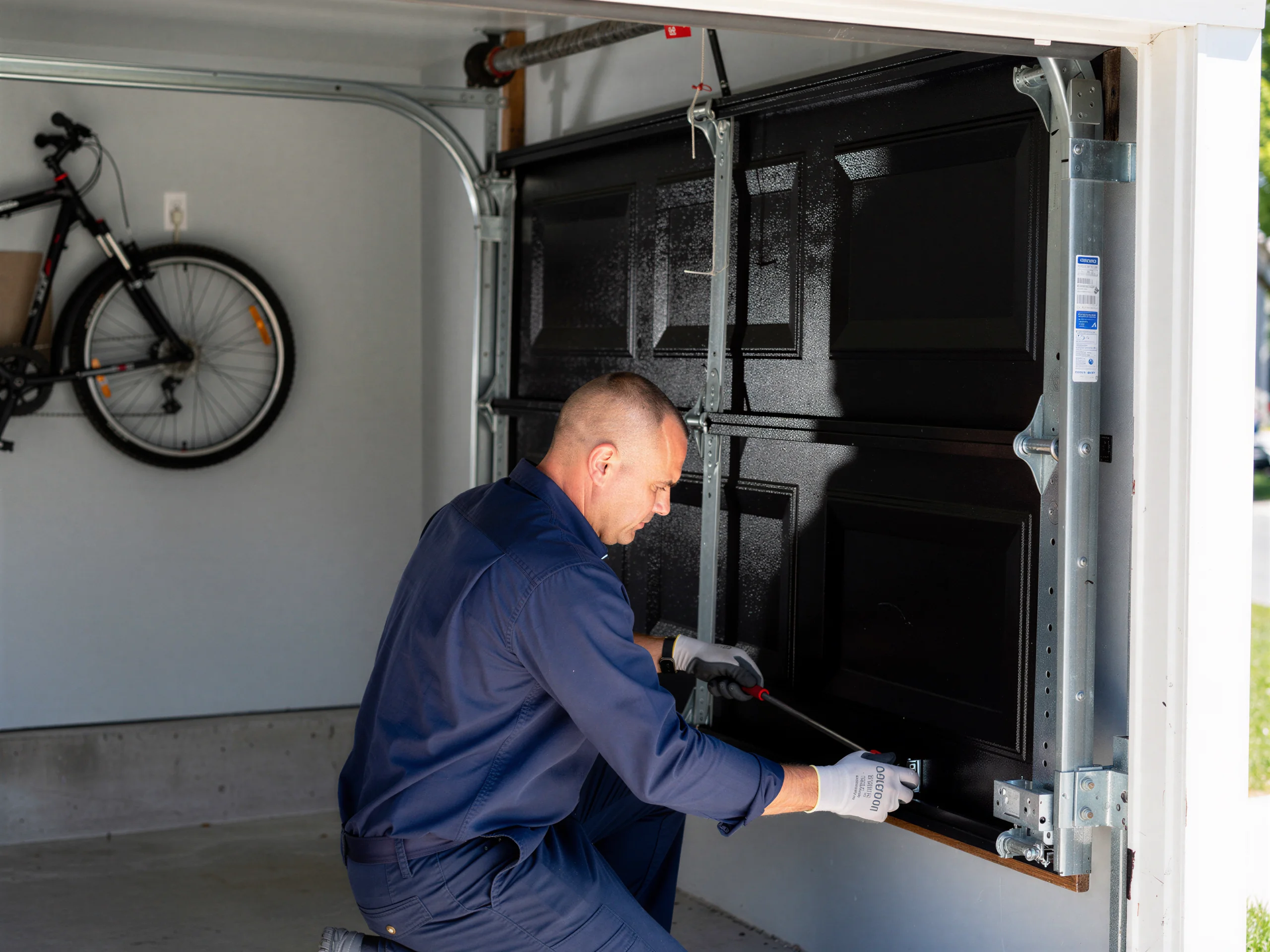
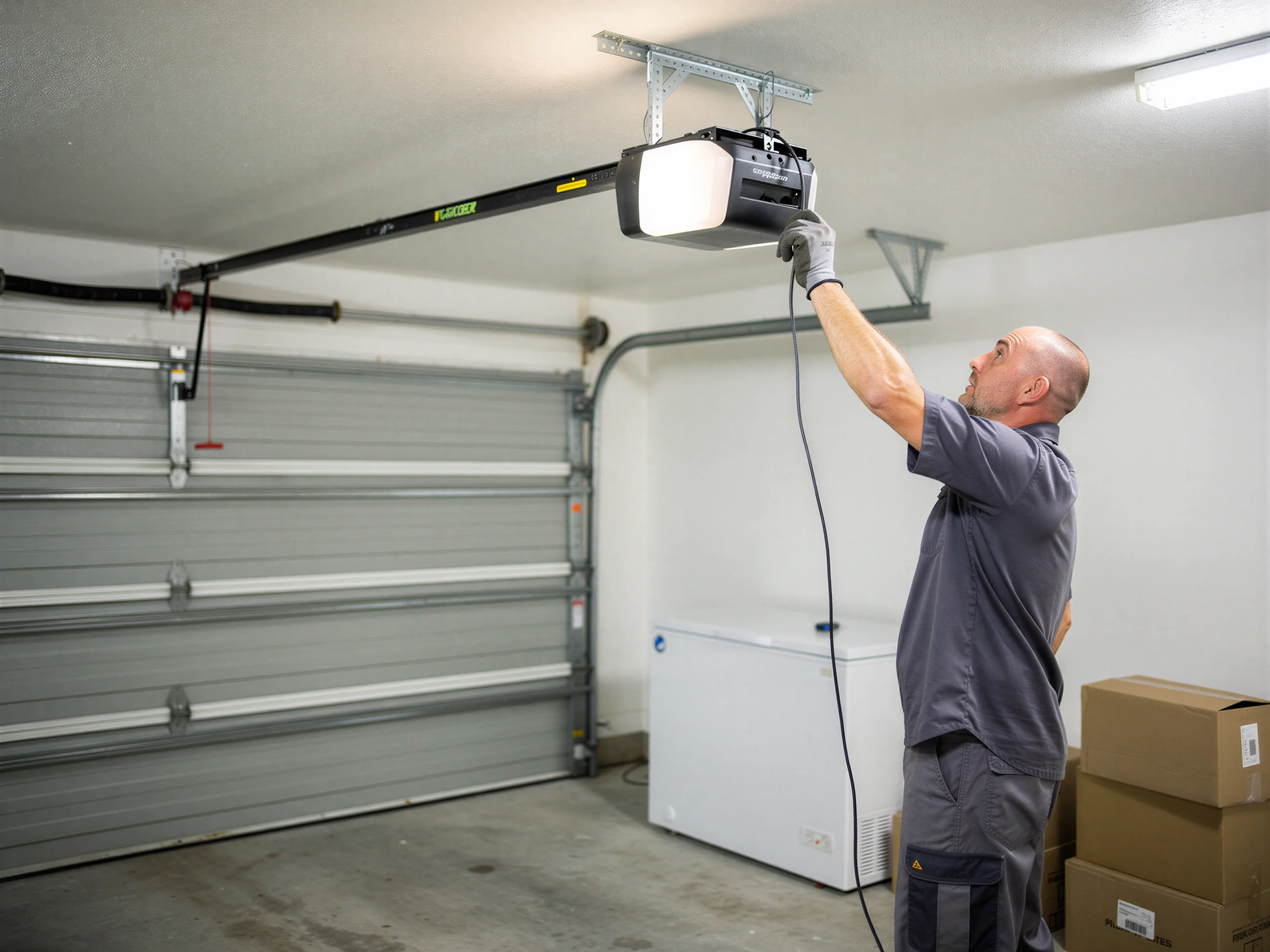
A lot of these doors have been re-skinned or had the opener swapped once already over fifty-some years, so what we find on a call is often a mix: original hardware on one side of the door, a newer opener bolted onto an old header bracket.
Early plate-style openers
We bring parts for both generations rather than assume one. If a part on your door is genuinely obsolete - some of the early plate-style openers are - we'll say so up front instead of promising a fix that isn't there.
The Symptom
The complaint we hear most from this stretch is a door that slams the last six inches on the way down, or one side that drops faster than the other.
Sagging extension springs
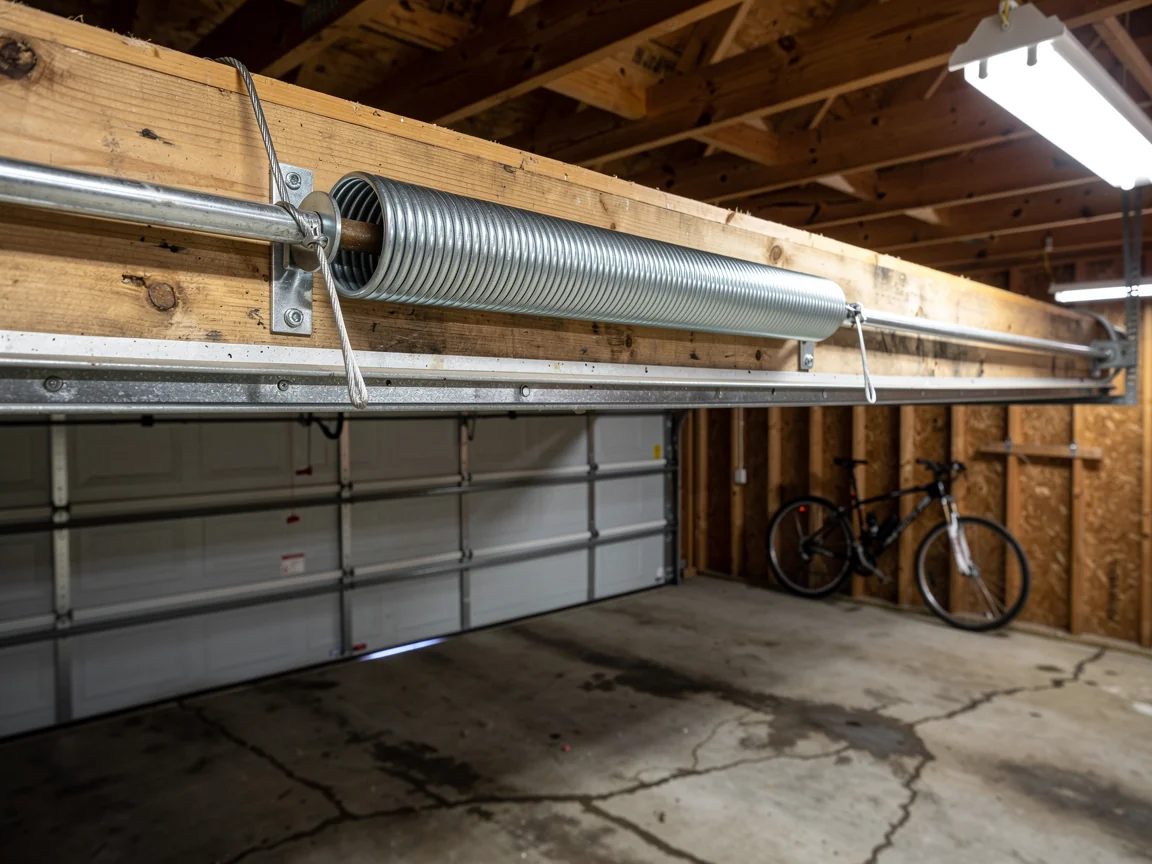
On a house built in the early 1970s that's almost always an extension spring that's lost tension on one side, not a torsion spring problem - the two fail differently and get fixed differently. Extension springs stretch and sag gradually, so the door looks level for years and then one morning it isn't.
Pulley-related cable fraying
We also see cable fraying where it runs over the old steel pulleys that shipped with these openers; that wear shows up as a jerky pull partway through the cycle rather than a dead stop.
Travel limit reversal
If your door reverses itself right after it touches the floor, that's usually the travel limit on an aging opener, not the spring at all - worth knowing before you pay for the wrong repair.
Booking a Visit
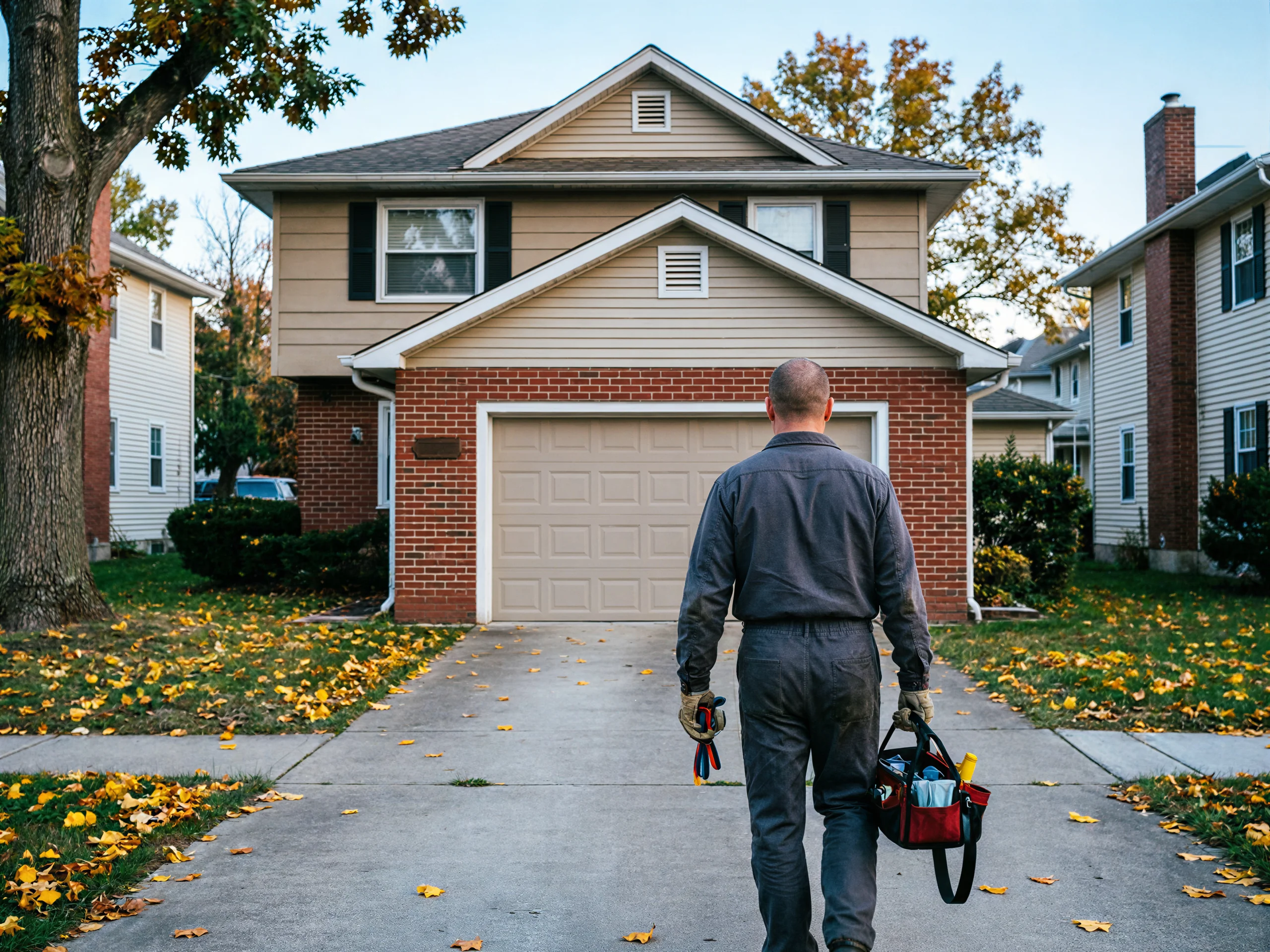
We cover Walcott out of Bettendorf, about 16 miles out, so a call here gets scheduled rather than walked on same-day the way a Bettendorf address might. Tell us the age of the house if you know it and whether the door has extension springs (visible stretched springs along the upper tracks) or a torsion spring (a single spring on a bar above the door) - that alone tells us which parts to load before we drive out. Find your service area has the basics on coverage, and the main garage door service page covers what we do beyond repair, like full replacements, if that's closer to what you need.
The Cost of This Job
We don't have a posted price list for Walcott specifically, and I'm not going to make one up.
Extension versus torsion costs
What drives the cost on a house from this era is usually whether we're repairing the original extension-spring setup or replacing it with a torsion system, since those are different jobs with different parts and labor. A straight spring swap on existing hardware runs less than converting the whole system.
Combined replacement savings
If the opener is also original, replacing both at once often costs less total than two separate visits a year apart. Ask for the breakdown by part when we quote - spring, cable, opener - rather than one lump number, so you can see what you're actually paying for.
Time on the Job
A single extension spring replacement on one of these doors is typically a shorter visit than a full torsion conversion, since there's no new hardware to mount - we're swapping like for like on the existing brackets. If we're also replacing cables or pulleys because they've worn alongside the spring, plan on the visit running longer, since those parts sit behind the spring and add steps to get to. Opener swaps add time on top of either job. We'll give you a real estimate once we've seen the door, not before.
What Causes It Around Here
With roughly 766 households in Walcott and most of the housing stock sharing that early-1970s build date, the failures cluster: extension springs reaching the end of their working life around the same general window, steel panels from that build era showing surface rust at the bottom rail where they sit closest to the ground, and single-plate openers from the period finally giving out on the motor or the gear. The cold-moderate climate here doesn't baby old steel - freeze-thaw cycling works at seams and fasteners over fifty years, and a door that was fine three winters ago can suddenly bind when cold tightens up a worn track. None of this is unique to one house; it's the whole run of similar-aged doors aging out together.
Talk to a local pro
Garage door service in Bettendorf?
Same-day service with honest, upfront quotes.