Stocked Parts
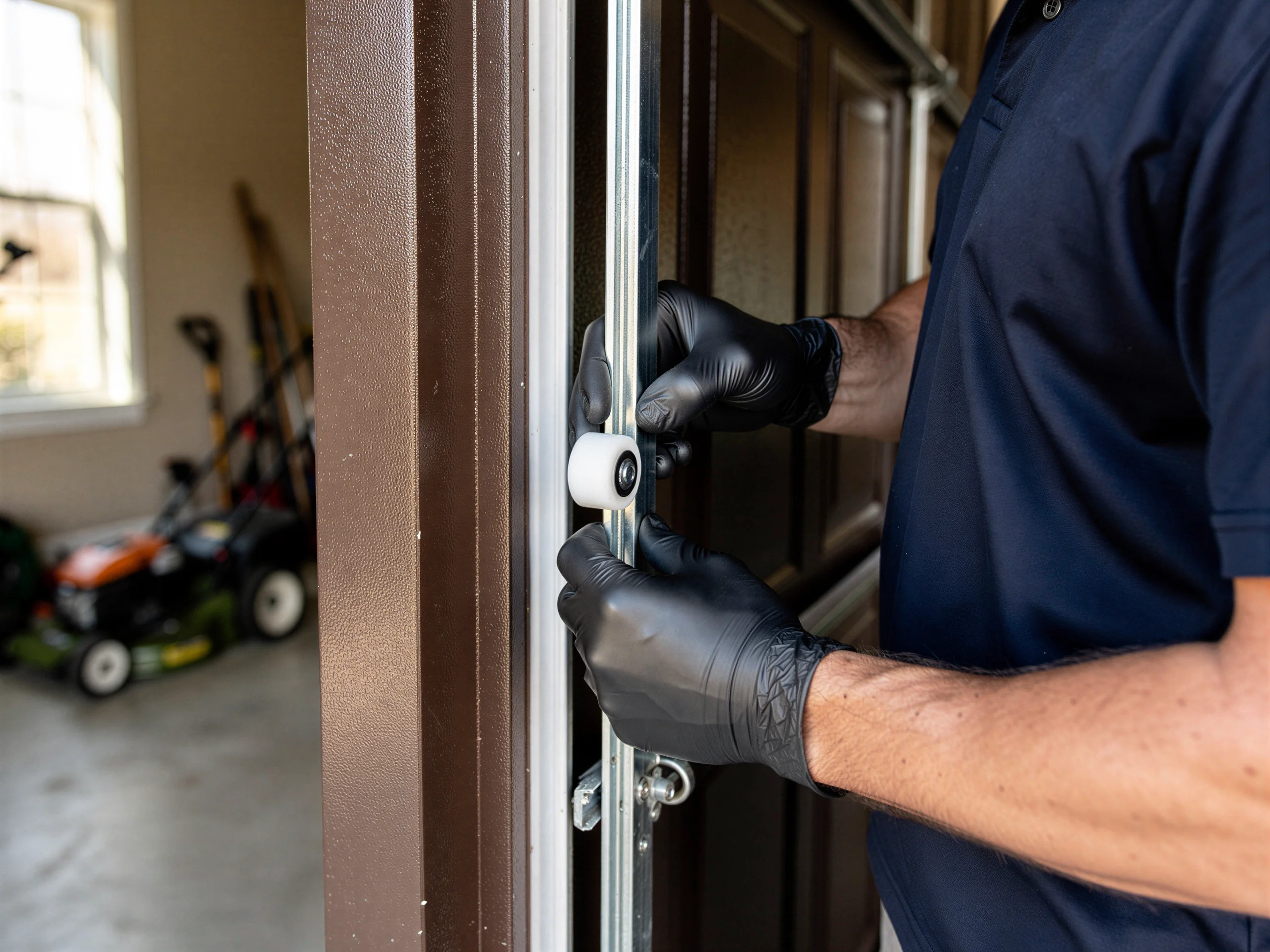
The truck that comes out to Walcott carries nylon rollers with sealed bearings as the default swap, plus a run of galvanized steel rollers for owners who want to keep the original hardware style.
Plain steel rollers
Doors built around 1972, which is the median year built for houses in this area, almost always shipped with plain steel rollers riding directly in the track with no bearing at all. Those are the ones that wear loudest and fail first.
Odd-gauge shaft orders
We don't carry every roller size on every run. Odd-gauge shafts from some of the older 1960s builds in this part of the service area sometimes need an order, and we'll tell you that on the spot rather than pretend otherwise.
Common stem sizes stocked
For the common 1/2-inch and 7-inch stem sizes that cover most Walcott doors, the part is on the truck the day we're there. There's no branch or depot in Walcott itself. Every job here is a trip out from Bettendorf, so the stocked inventory on the truck is what decides whether it's a one-visit fix or a return trip for a part.
The Symptom
The complaint starts the same way almost every time: a grinding or rattling noise right as the door passes the top of the opening, worse in cold weather.
Five decades of wear
That's steel-on-steel wear, not a motor problem, and on a door built around 1972 it's close to guaranteed after five decades of use with no roller upgrade. Walcott sits in a cold, moderate climate band. Grease that was fine in August gets stiff once temperatures drop, and a roller that was already worn starts binding instead of just rolling.
Hesitation blamed on opener
Owners often think the opener is failing because the door hesitates or jerks partway up. Most of the time it's the roller catching in a track groove it's worn down over the decades, not the motor losing strength.
Single bang versus grinding
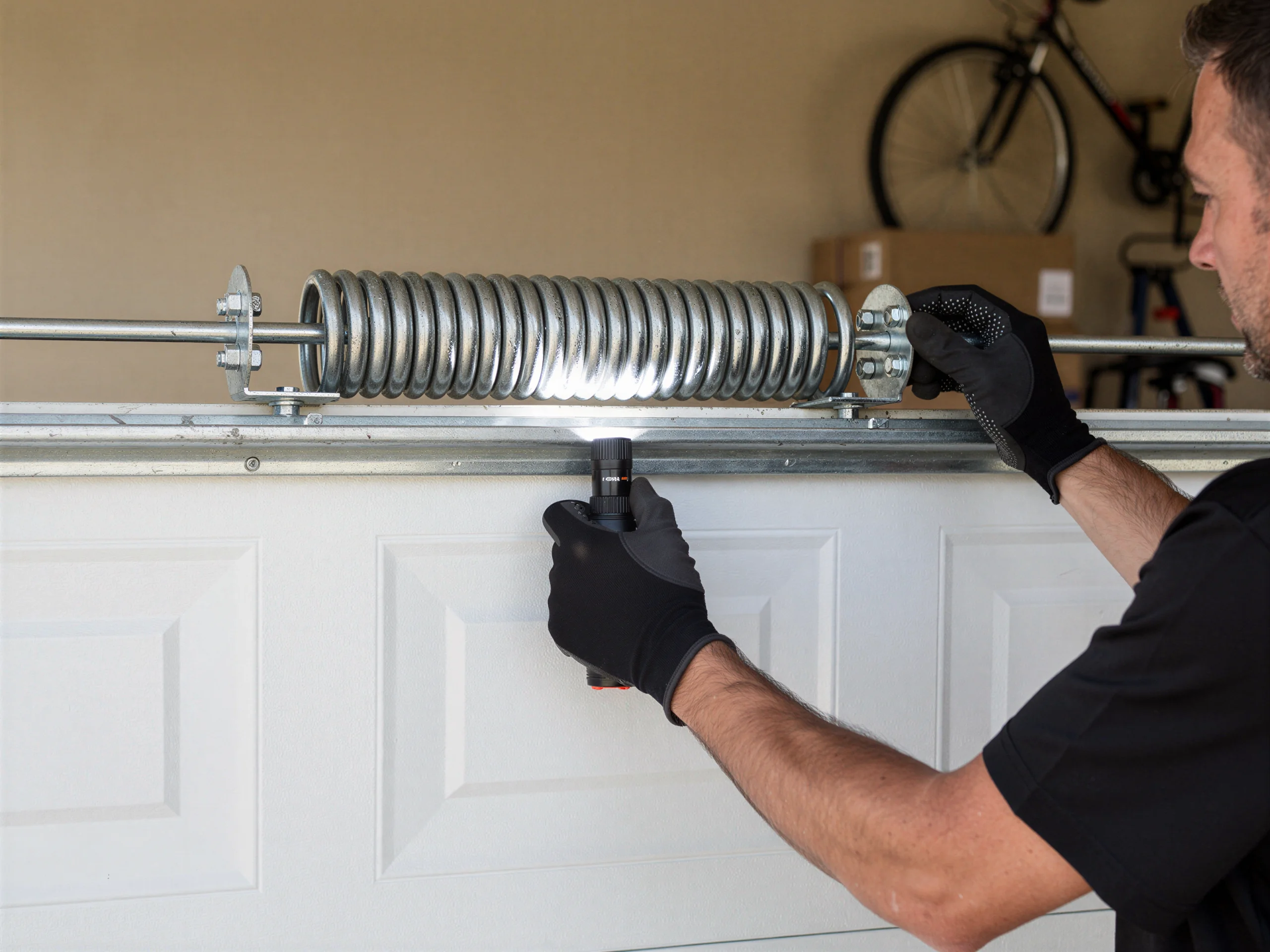
If the noise is a single sharp bang rather than a grind, that's usually a different part failing, not the roller, and it's worth saying so plainly rather than quoting a roller fix for a spring problem.
Booking a Visit
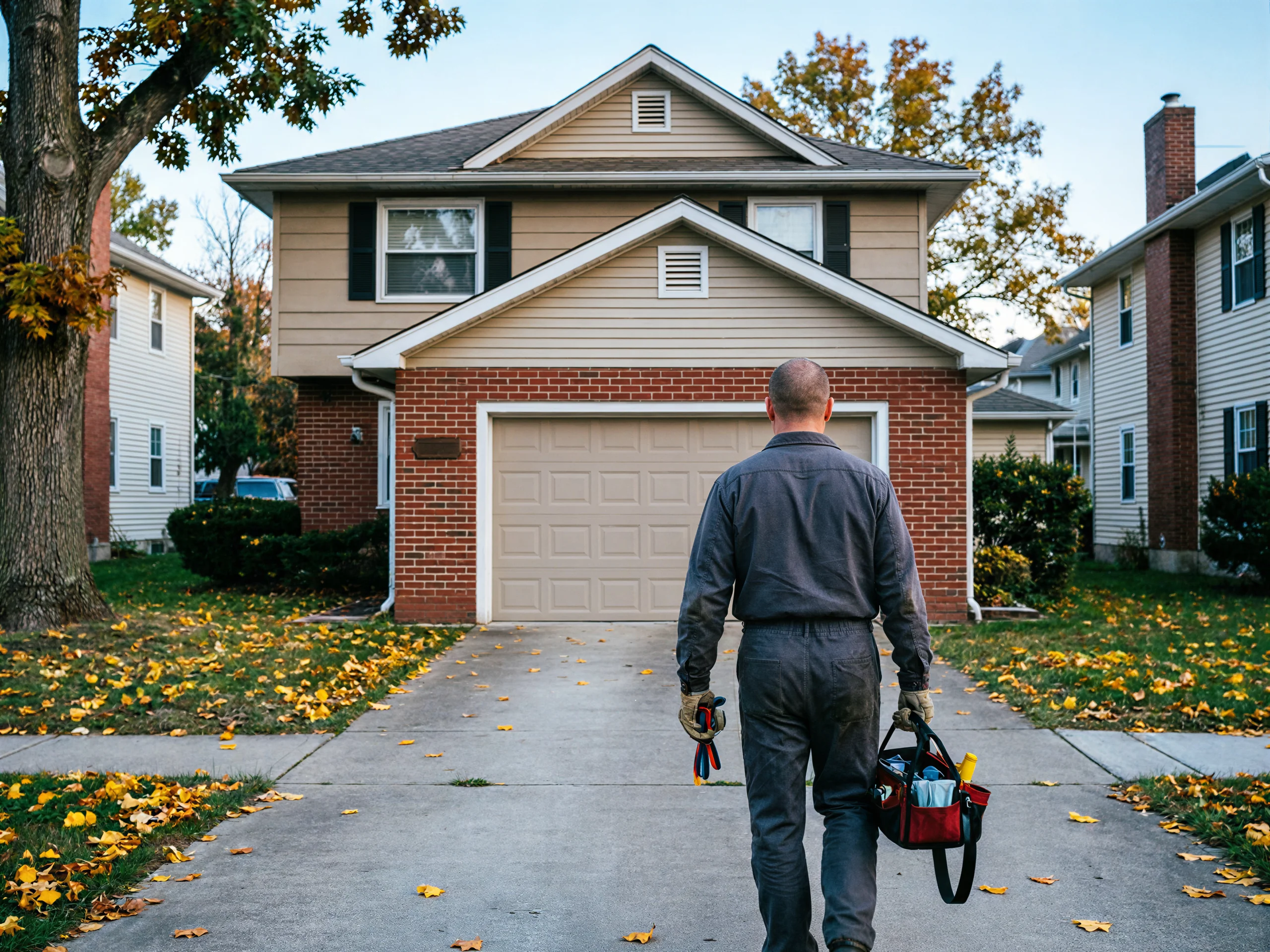
Walcott is a 16-mile run from Bettendorf, which means a visit here gets scheduled as a trip, not treated as a drop-by. We don't have a crew based in Walcott and won't claim a response time we can't back up from that distance. What we can do is bring the right rollers on the truck the first time, based on what we know about the housing stock out this way.
Booking works the same as anywhere else in the service area: tell us the noise, the door's approximate age if you know it, and whether it's happening on every cycle or only in cold weather. That's usually enough to load the right parts before the truck leaves Bettendorf.
The Cost of This Job
We're not going to put a number here that isn't backed by a quote for this specific door.
Pricing by roller count
Roller jobs vary by how many rollers need replacing, whether the track needs adjustment at the same time, and whether the door is single or double.
Cheaper than track replacement
What we can say is that a straight roller swap is one of the less expensive jobs we run, and it's almost always cheaper than letting a worn roller keep chewing up the track until the track itself needs replacing too. If you want an exact figure, that comes from looking at the door, not from a page written for the whole town.
Time on the Job
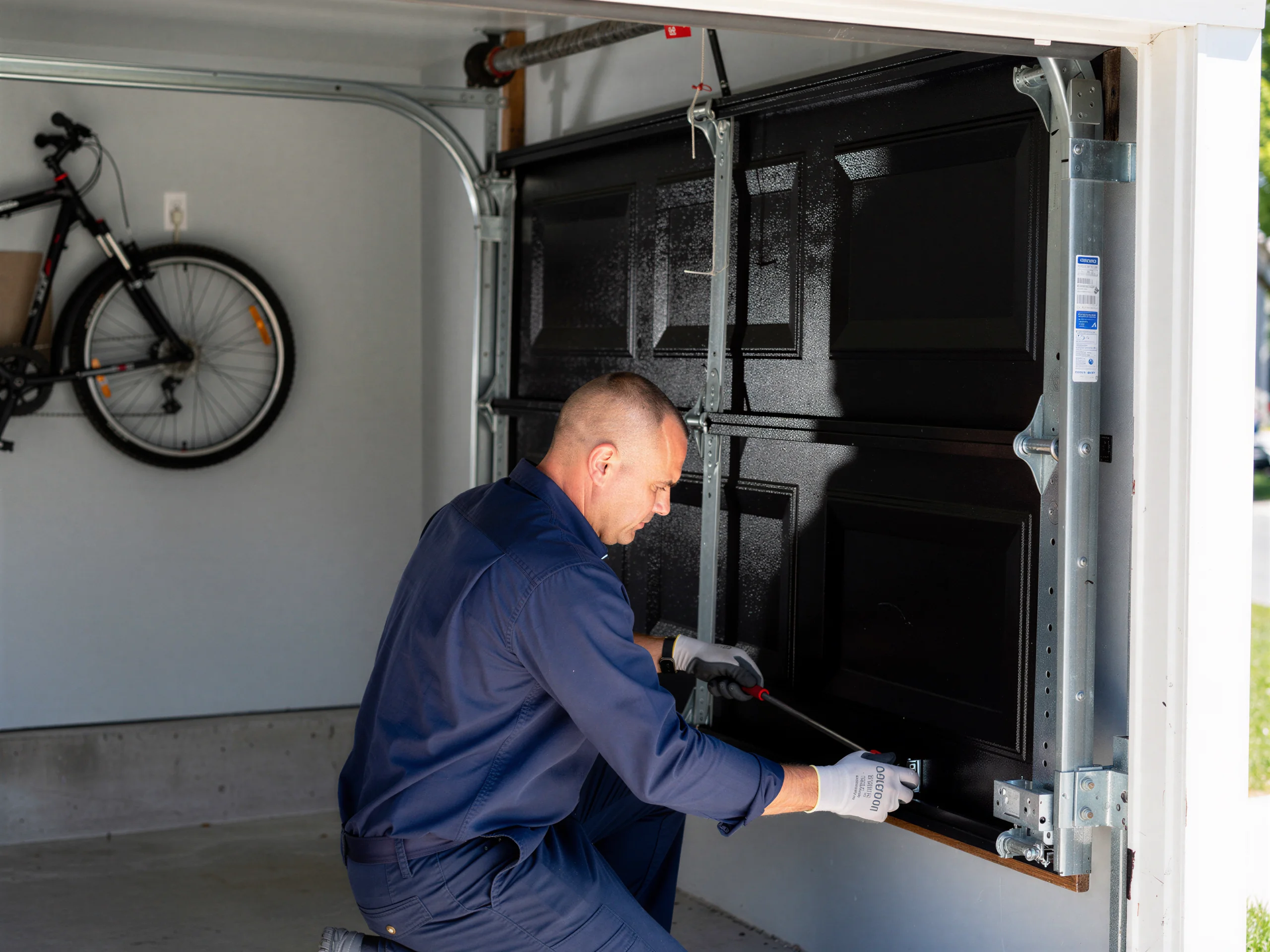
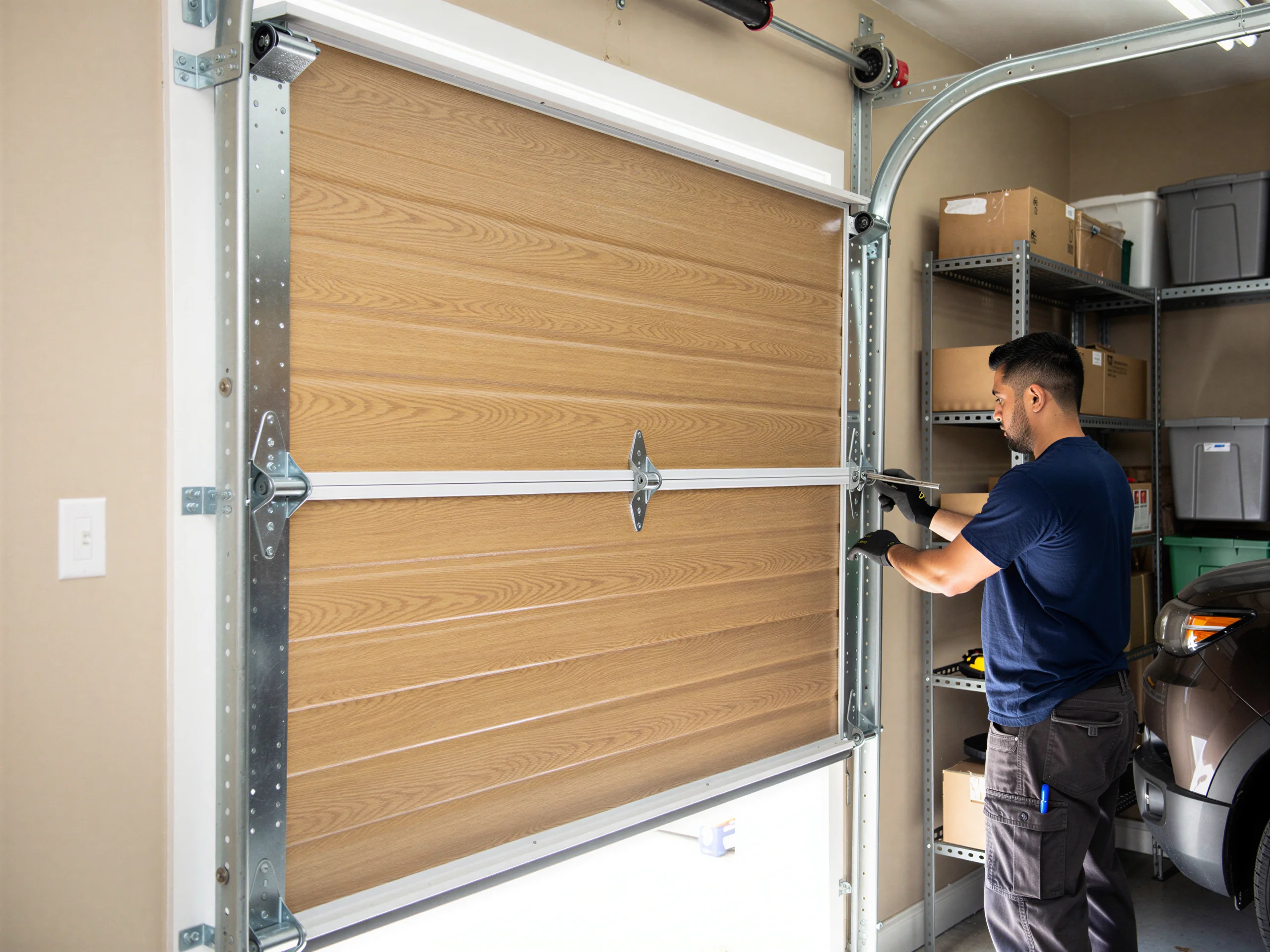
The work itself follows the same order on every door: raise the door partway, pull the roller stem free of the hinge bracket, swap it, and walk the track for wear while we're already in there. On a door with ten rollers and no track damage, that's a straightforward sequence with no surprises.
Where it slows down is the track. A lot of 1972-era doors in this area have never had the track re-aligned, so a roller that's been grinding for a while can leave grooves or bends that need straightening before the new roller will ride smooth. We check that on every visit rather than assume the track is fine just because the door still opens.
What Causes It Around Here
Most of the housing in this part of the service area went up in the 1960s and 70s, and Walcott's median year built lands right at 1972. Doors from that era were built with plain steel rollers running directly against steel track, no bearing, no nylon buffer. Fifty years of that is what you're hearing grind.
The cold, moderate climate band this area sits in adds to it. Steel contracts in the cold, grease stiffens, and a roller that was already worn starts catching instead of turning. Across the wider service area's 11,334 households, Walcott's roughly 766 make up a small share, but the housing age pattern is the same, so the failure shows up the same way: noise first, then binding, then a roller that's worn flat on one side.
Income doesn't drive the mechanics of a worn roller, but it's worth noting Walcott's median household income of $82,756 runs close to, but a bit under, the area's $84,380 - which is more a note on who's asking than on what's breaking.
Talk to a local pro
Garage door service in Bettendorf?
Same-day service with honest, upfront quotes.