What Causes It Around Here
A lot of the garage doors we get called out to in Le Claire are original to the house. The town's median build year runs around 1979, a few years newer than the wider service area we cover out of Bettendorf, where the typical home dates closer to 1973. That gap matters: a door and track set installed in the late '70s used different spring winding and a different rail gauge than what went into homes built a decade earlier, and on a lot of these houses nobody has ever swapped the hardware out. With roughly 1,719 households in town, that's not a small number of original torsion springs and worn rollers still doing the job they were built for forty-plus years ago.
The area also sits in a cold-moderate climate band, so metal fatigue, frost, and seasonal swelling in wood jambs all play into when an old door finally gives out. It's rarely one dramatic failure. It's usually decades of expansion and contraction nobody noticed until a cable frays or a spring finally lets go on a cold morning.
Booking a Visit
We don't run a branch in Le Claire - every job here is a truck that comes out from Bettendorf, about 6 miles south. That's a short drive, and it's the same crew and install standards as anywhere else in the service area, but it does mean we schedule the visit instead of showing up unannounced.
Measure-and-quote visit
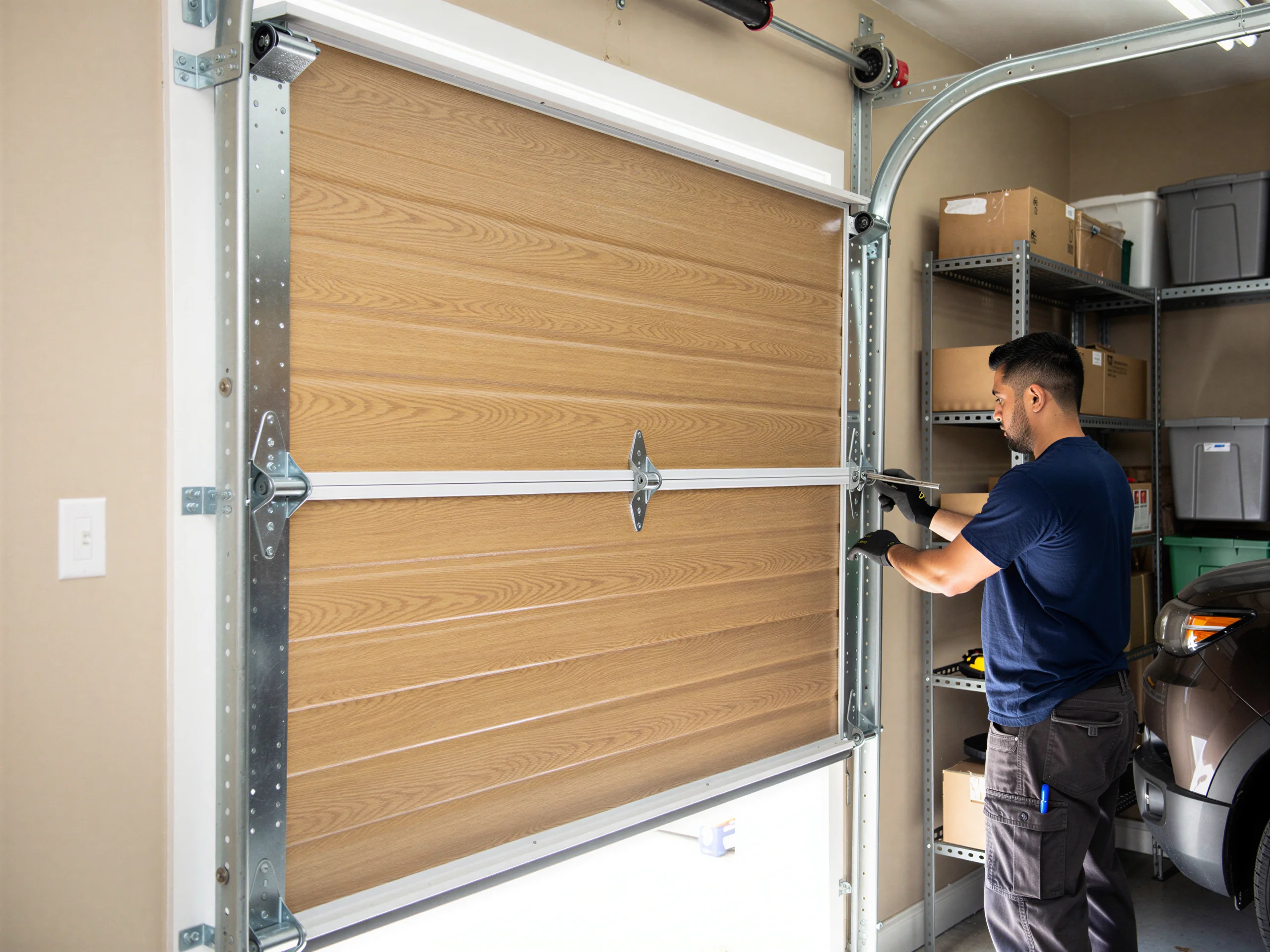
When you call, we talk through what door you've got - age, size, what's failing - and book a time to come measure and quote the install in person.
Insulated steel upgrades
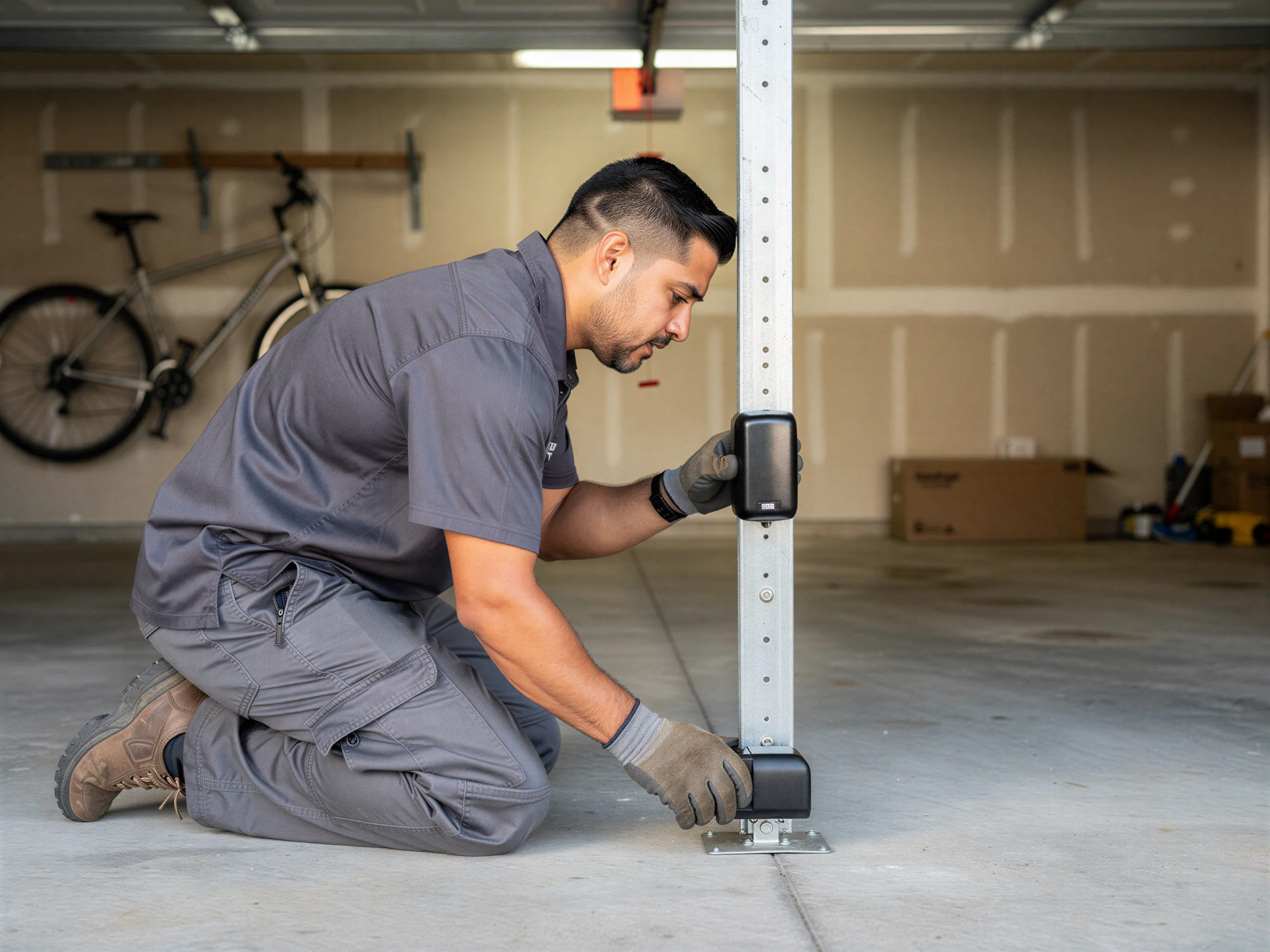
Le Claire's median household income runs higher than the broader service area - over $100,000 versus the area-wide $84,380 - so we see more requests here for insulated steel doors and quieter belt-drive openers rather than base models, and we price those out at the same visit instead of guessing over the phone.
Settled opening geometry
Measuring in person matters more on an older house than a newer one: openings that have settled over forty-plus years aren't always square, and a quote based on a phone description can be off by the time we're standing in front of it.
Stocked Parts
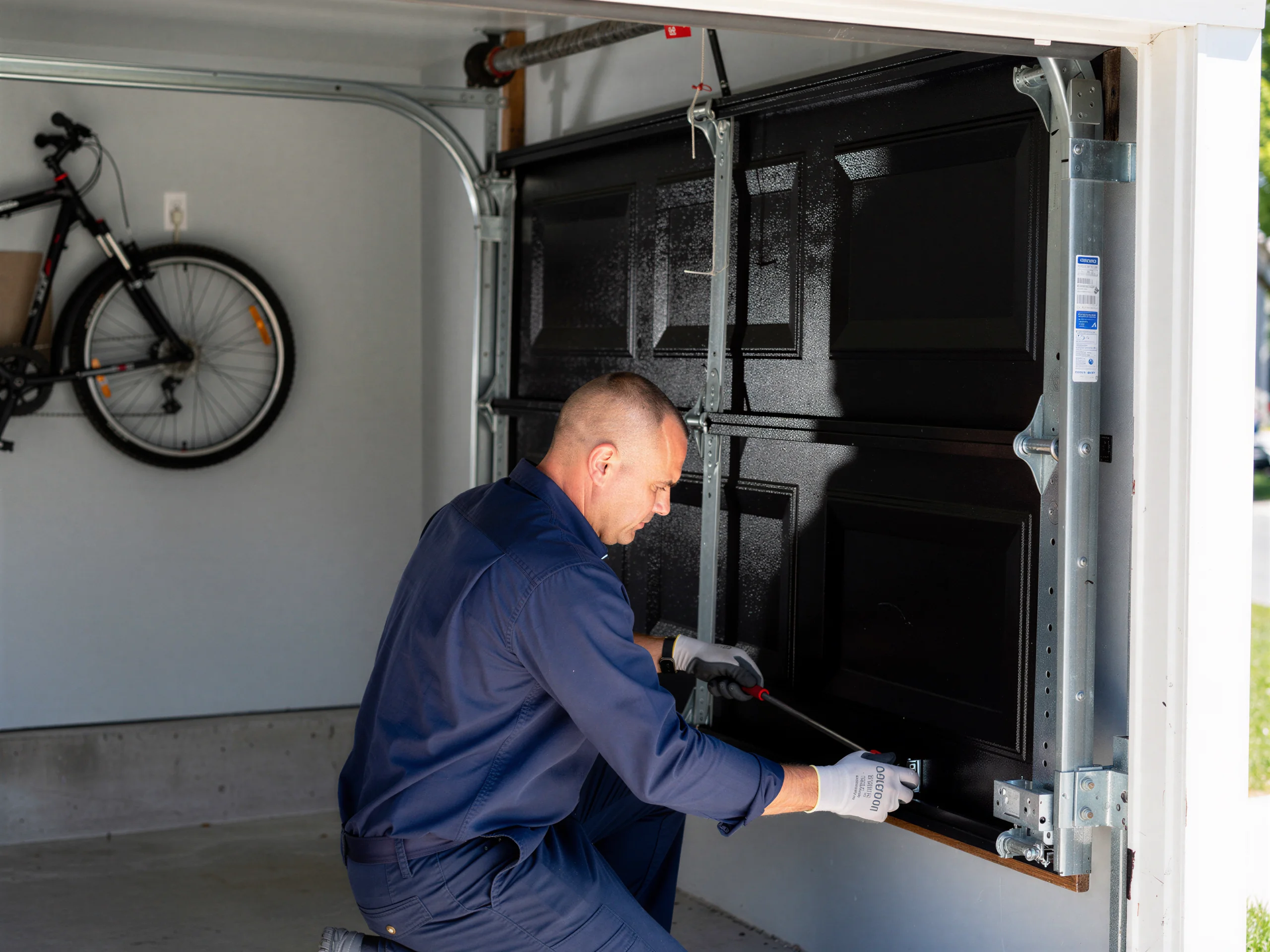
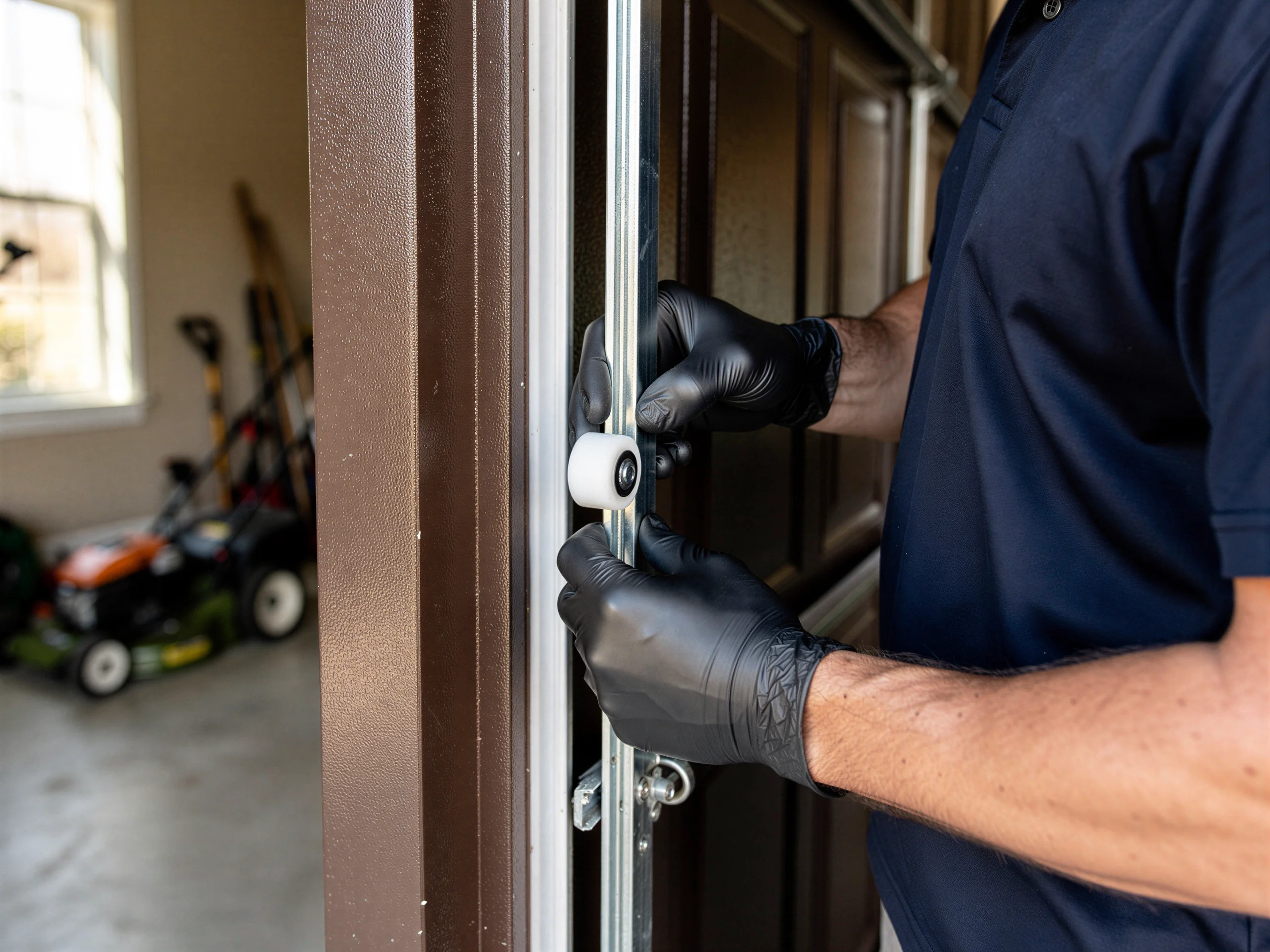
What we carry on the truck covers most of what fails on houses from the Le Claire build era - standard torsion springs, rollers, cables, and openers sized for a typical 1970s-80s opening.
Specialty hardware lead times
Where we run into a lead time is specialty hardware: wider doors, custom panel finishes, or anything matching a non-standard track width from an addition or garage conversion. On a typical original door from this period, we can usually handle the whole replacement in one visit.
Modified openings need orders
On anything that's been modified from the original opening - widened, lowered, or re-framed at some point - we may need to order track or header hardware to match, which pushes the job to a second trip.
Older-house opening quirks
That's not unique to Le Claire; it's an any-older-house problem. But it's worth knowing before you book, especially if your garage opening isn't the one the house came with.
The DIY Question
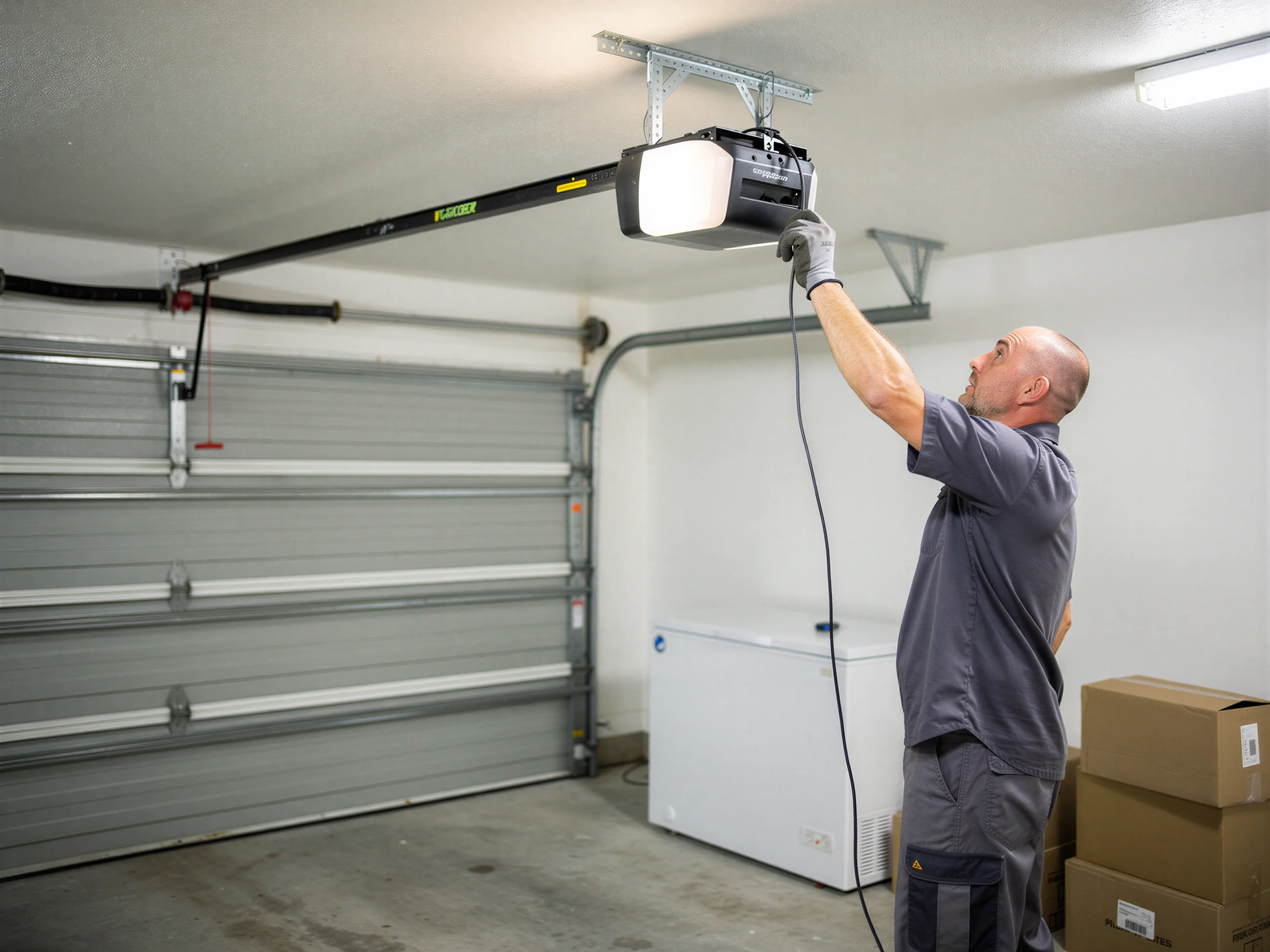
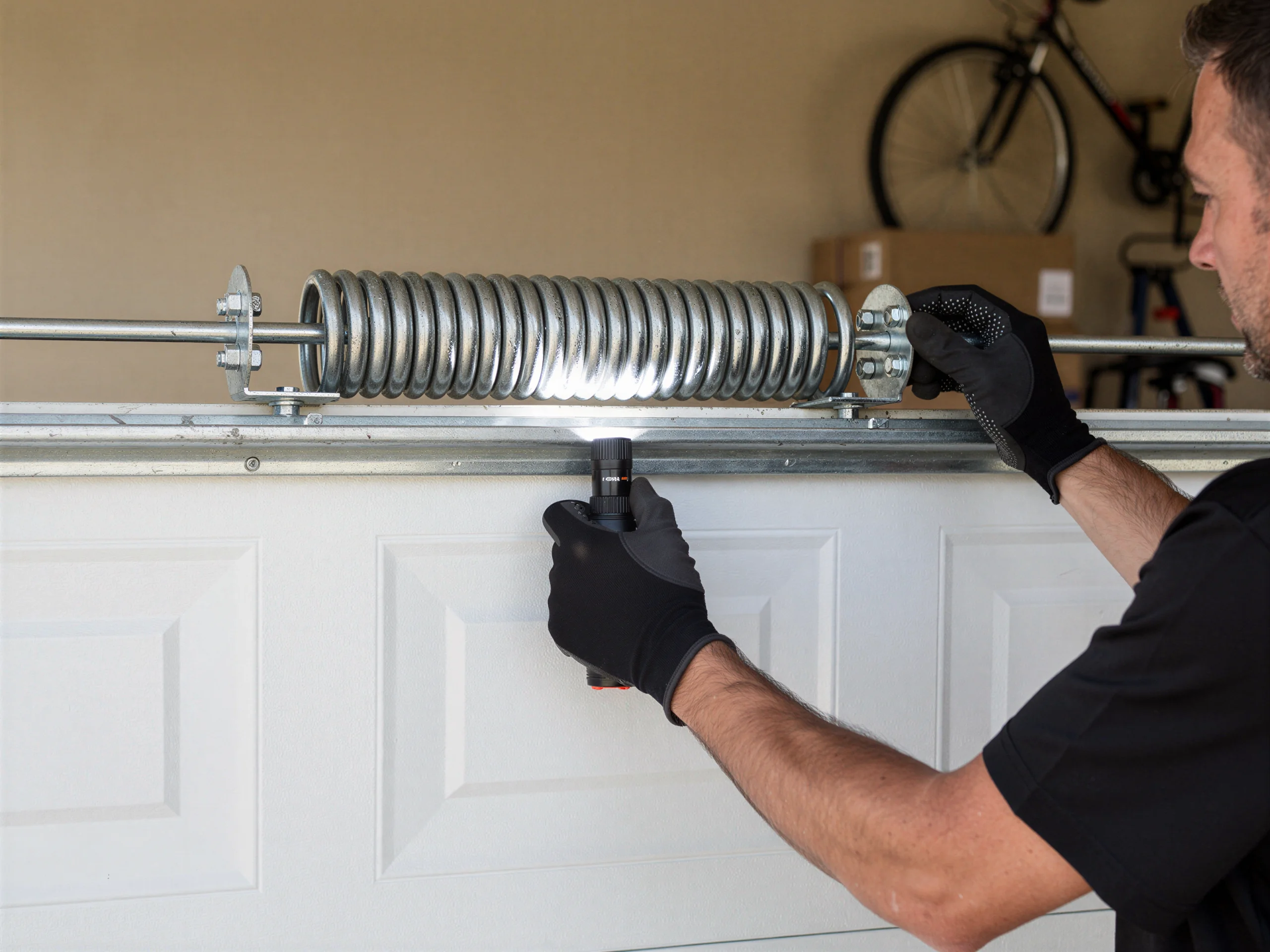
Swapping an opener or a set of rollers yourself is reasonable if you're comfortable with a ladder and a ratchet. Replacing a torsion spring is not - high-tension coil failures are the most common source of serious injury on these jobs, and that risk doesn't change because the house happens to be in Le Claire instead of anywhere else.
The harder call is whether to repair or replace. On a door that's original to a 1979 build, we'll tell you straight if the track and hardware are worn enough that patching one part just means a callback in a year. Sometimes the honest answer is a full new door and opener instead of chasing individual failures piece by piece. We won't push a full replacement job if a repair gets you another several years out of what you've got - that's a call we make standing in the garage, not over the phone.
Talk to a local pro
Garage door service in Bettendorf?
Same-day service with honest, upfront quotes.