What Causes It Around Here
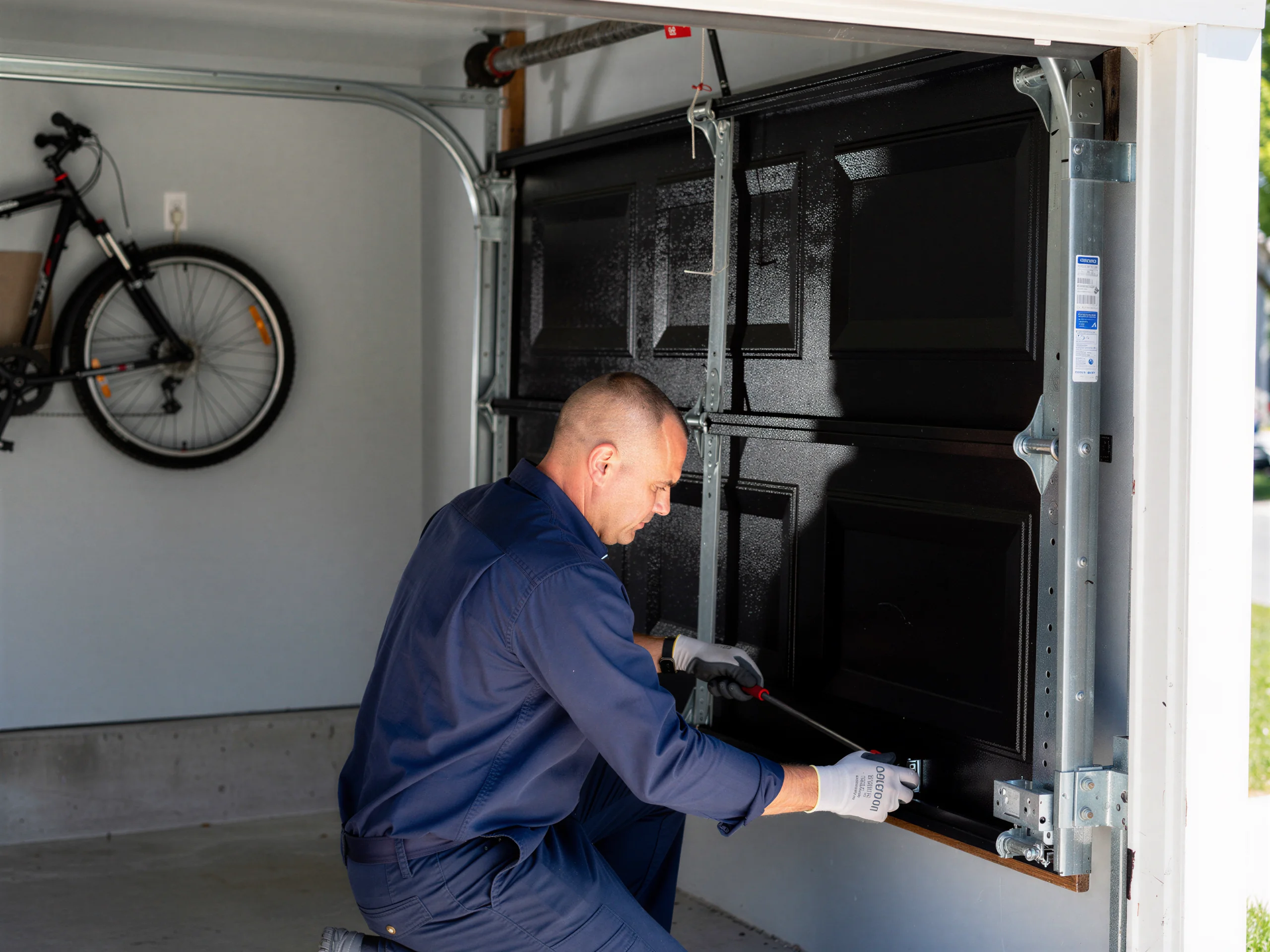
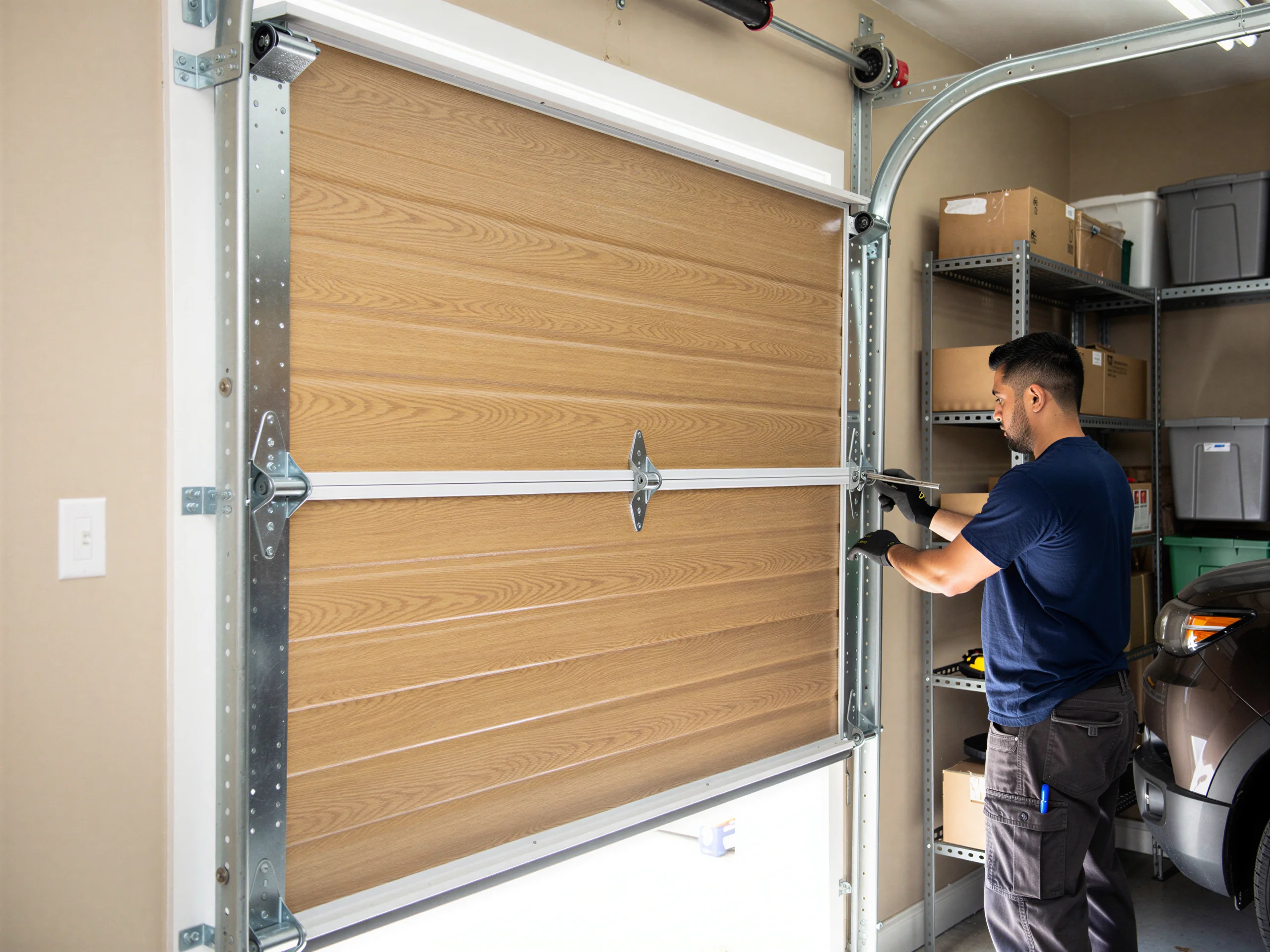
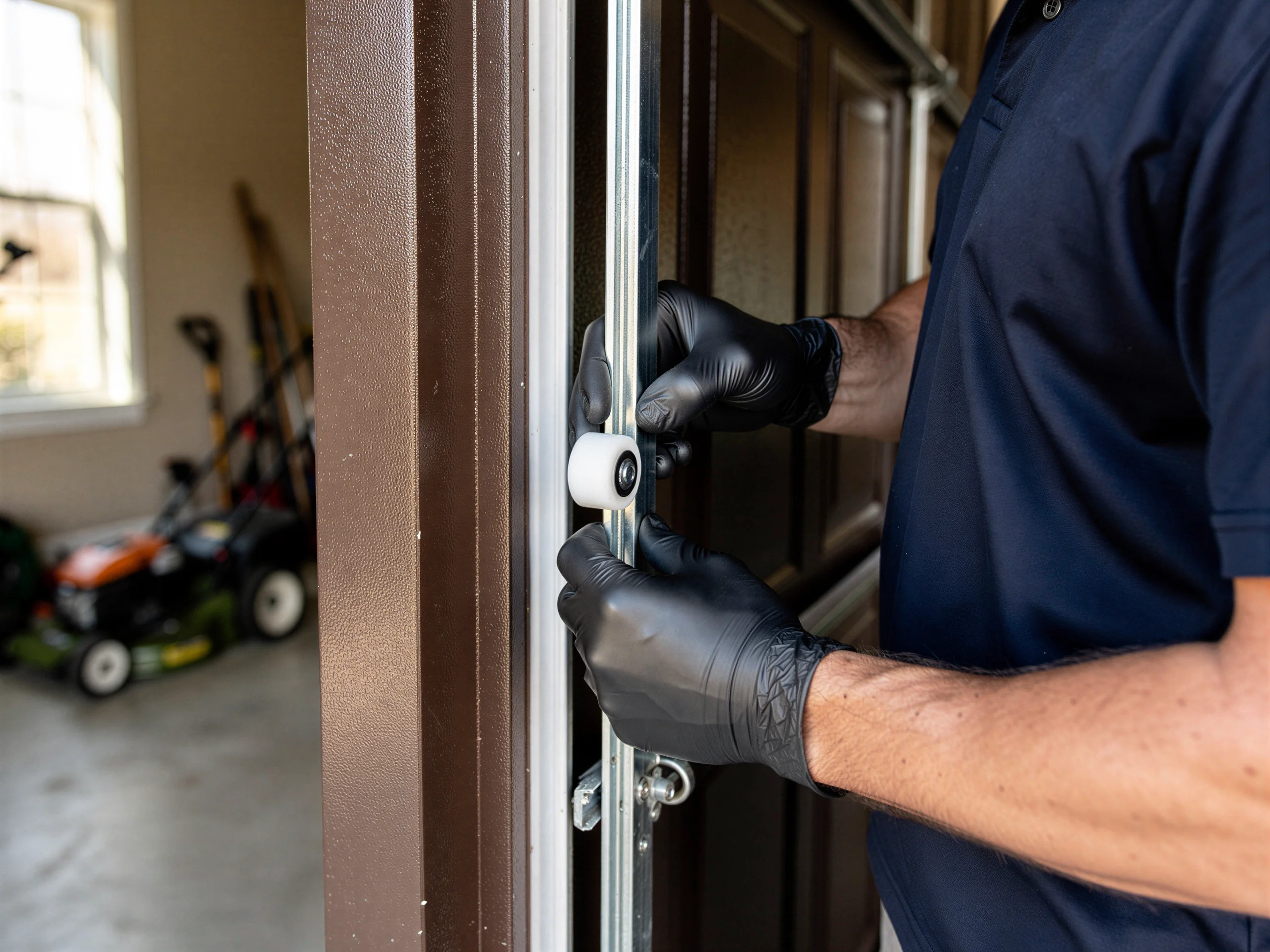
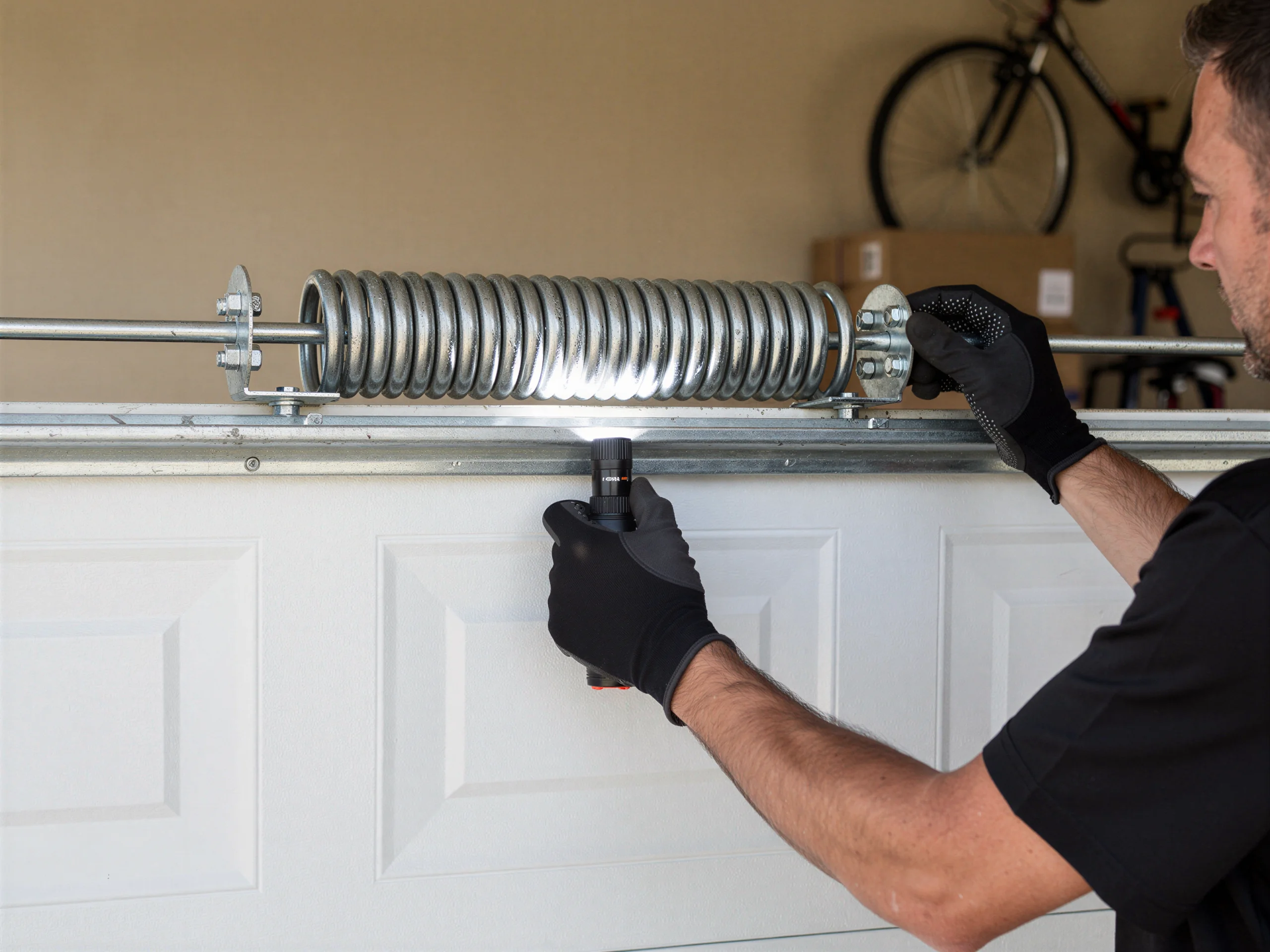
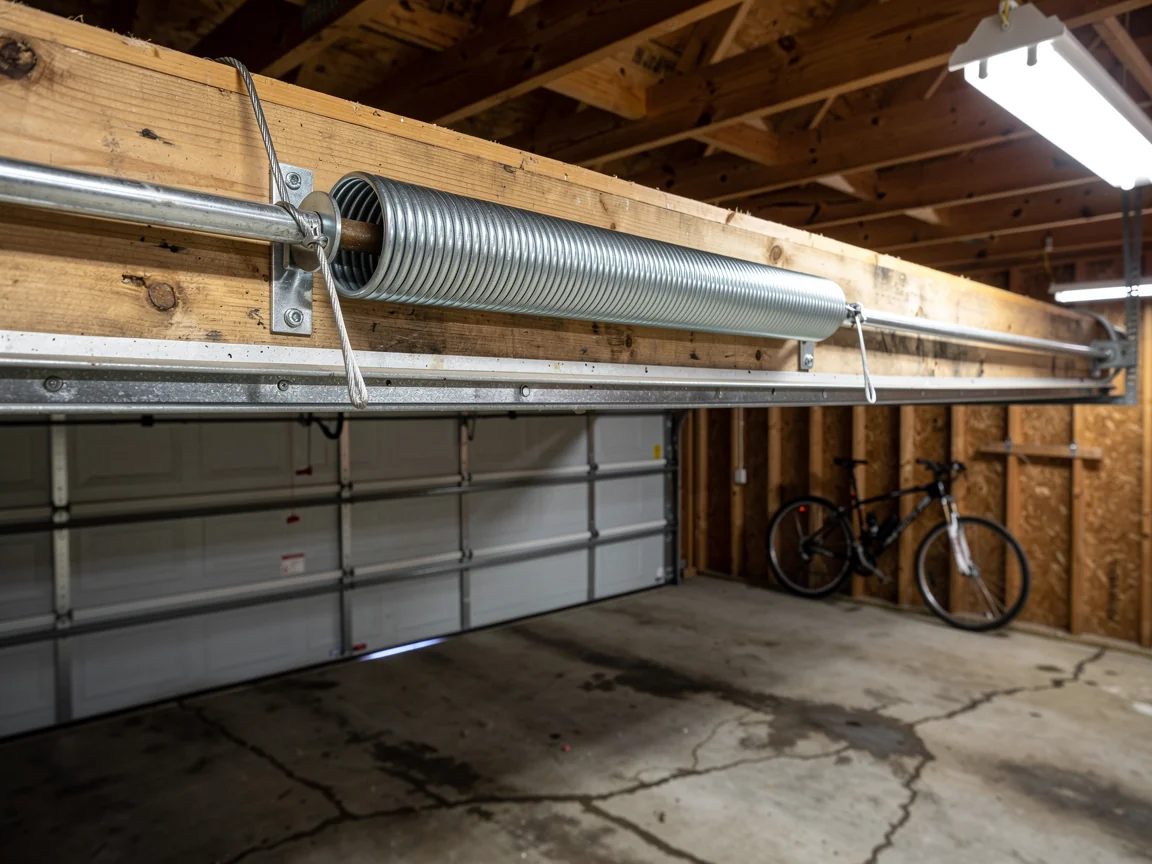
Le Claire's housing stock centers on 1979, a few years newer than the 1973 median across the wider service area we cover. That matters more than it sounds. A door installed in the late 1970s almost always came with an extension spring setup mounted along the horizontal track, not the torsion bar over the header that's standard on anything built after the mid-80s. Extension springs stretch and wear differently than torsion springs - the safety cables that keep a broken spring from whipping across the garage are the first thing to check, and on a 45-year-old door they're often missing entirely because nobody retrofitted them. Rollers on these doors are frequently the original steel ones, not nylon, which means more noise and more wear on the track itself. Cold is a factor too. This area sits in a cold-moderate climate band, and steel hardware that's already decades old tightens up and gets brittle faster once temperatures drop. None of this is unique drama - it's just what you get when a neighborhood's doors are all roughly the same age and built to the standards of their decade. The fix isn't exotic. It's knowing which decade you're working on before you open the garage.
Booking a Visit
We're based in Bettendorf, about six miles from Le Claire, and that drive is part of scheduling a maintenance visit rather than an emergency call.
Nearby towns' distances
We don't keep a branch or a crew stationed in town - the truck comes from Bettendorf, same as it does for the other small communities along this stretch, including Riverdale a couple miles closer and Eldridge a bit farther out.
Planned, not emergency work
Book ahead rather than expecting a same-day slot; a maintenance visit is planned work, not a breakdown, so we schedule it around the route rather than treating it like a rush job. Tell us the approximate age of the house when you call.
Late-1970s spring stock
For Le Claire that's usually late 1970s, and knowing that before the truck leaves means we bring the right springs and roller stock instead of guessing at the door and making a second trip.
Stocked Parts
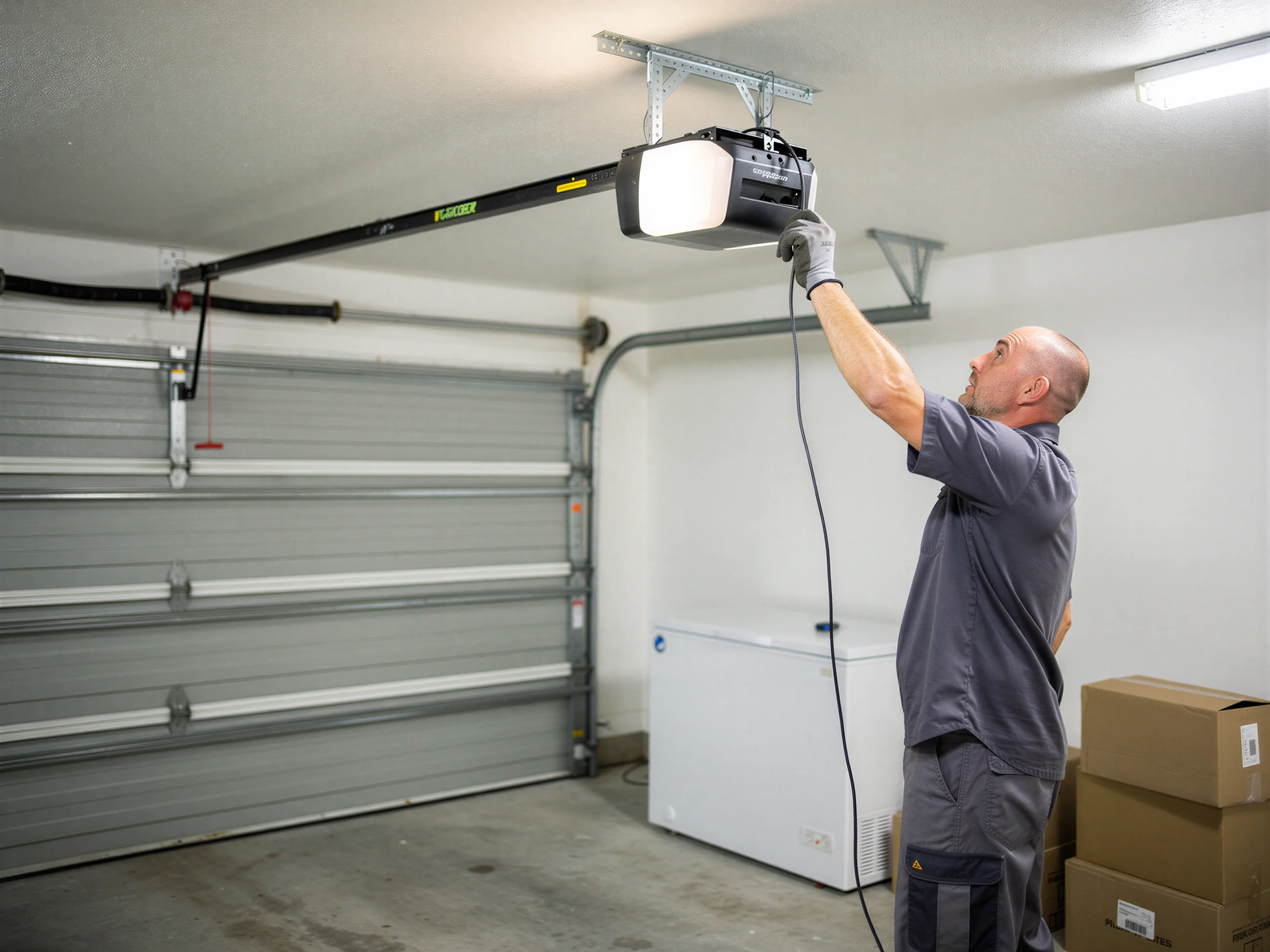
Because so much of Le Claire's housing lands in that late-1970s window, we carry extension springs and the matching safety cables as regular stock, not special order. Steel rollers and the sleeve bearings that go with them are on the truck too, since swapping to nylon is one of the more common upgrades we do on doors from this era. Where we run short is anything proprietary to a specific manufacturer's opener from that period - some of those parts are long out of production, and if a motor unit itself has failed rather than the door hardware, replacement is usually faster and cheaper than hunting down an obsolete part. That's the honest limit here: we stock what fails most, not everything that was ever installed.
The DIY Question
Lubricating hinges, wiping down tracks, and checking that the door is balanced are fine to do yourself, and worth doing a couple times a year regardless of the door's age. What you shouldn't touch is the spring system. On an extension-spring door - the kind common in Le Claire - the spring is under less tension than a torsion spring, which makes it feel safer to mess with, but it can still cause a real injury if it lets go while you're adjusting it. If the door is sagging on one side, slow to close, or the cable looks frayed, that's a call, not a project. With median household income here at $100,404, well above the $84,380 figure for the broader area, replacement isn't usually a financial stretch when a door is genuinely past fixing - but most of what shows up on a 1979-era door is maintenance, not replacement.
Talk to a local pro
Garage door service in Bettendorf?
Same-day service with honest, upfront quotes.