Time on the Job
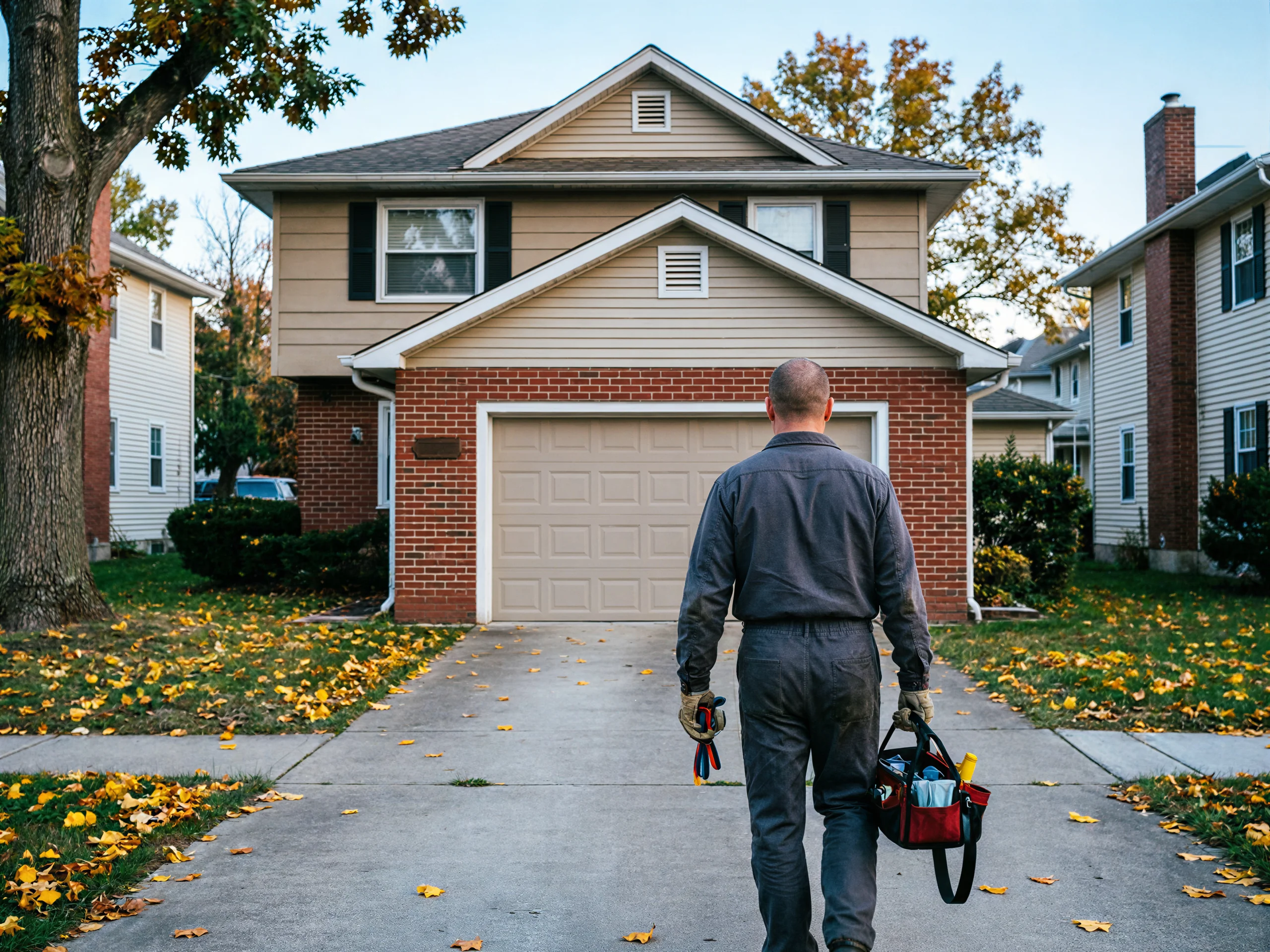
We run this job out of Bettendorf, about 19 miles from Camanche, so when you call, the truck is coming from across the river rather than sitting around the corner. We don't quote a response window we can't back up over that distance, but the drive is a known quantity and it doesn't change the way we work once we're in your driveway. What does change the job is what's waiting on the door when we open the panel. In a town where the median house dates to 1972, the odds are good that whatever spring is on that track is either the original or a direct swap from decades back, not something installed with modern safety cables or a current torsion tube size. That's the thing we're actually driving out to deal with, not just a generic broken spring.
What Causes It Around Here
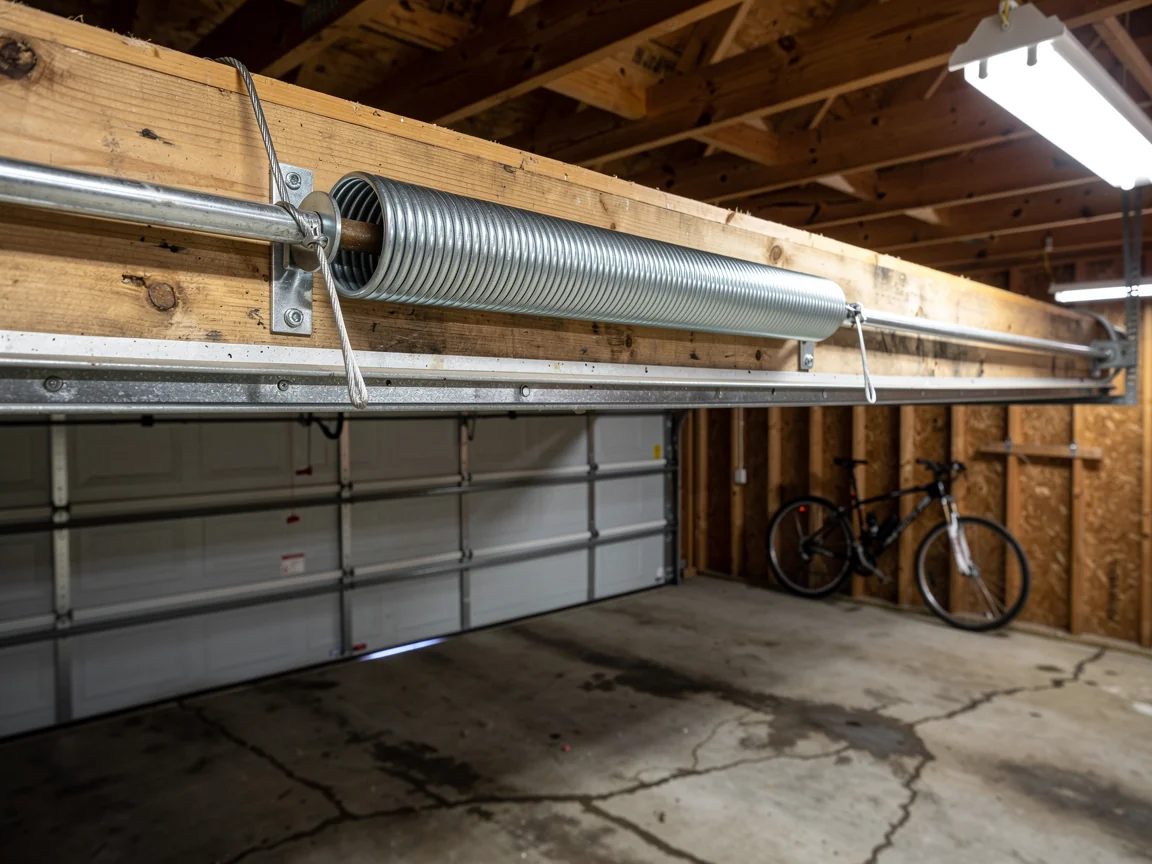
Camanche's housing stock centers on 1972, which puts most garage doors squarely in the torsion-spring era before galvanized coatings and safety cables became standard.
Temperature cycling fatigue
A spring doesn't fail because of one cold morning; it fails because it's been winding and unwinding for fifty-some years of temperature swings. This area sits in a cold-moderate climate band, and that kind of seasonal cycling - steel contracting hard in January, expanding again by July - is exactly what fatigues a torsion spring until one coil finally lets go, usually on the coldest stretch of the year when the steel is least forgiving.
Original spring survival
If your door has never had the spring replaced, it isn't because it's built better than the one down the street. It's because it hasn't broken yet.
Stocked Parts
A lot of the garage door stock across this part of the service area - Camanche included - dates to the 1960s and 70s, which means torsion shafts, end bearing plates, and winding cones sized for hardware that isn't what you'd find on a door installed last year. We carry springs sized for that older torsion tube diameter, because a size that's close but not exact will either bind the shaft or leave the door off balance. What we don't stock is anything custom-wound on the spot - if your setup turns out to be an odd leftover configuration from a past repair nobody documented, that part may need to be ordered, and we'll tell you that up front rather than force a fit.
What the Fix Involves
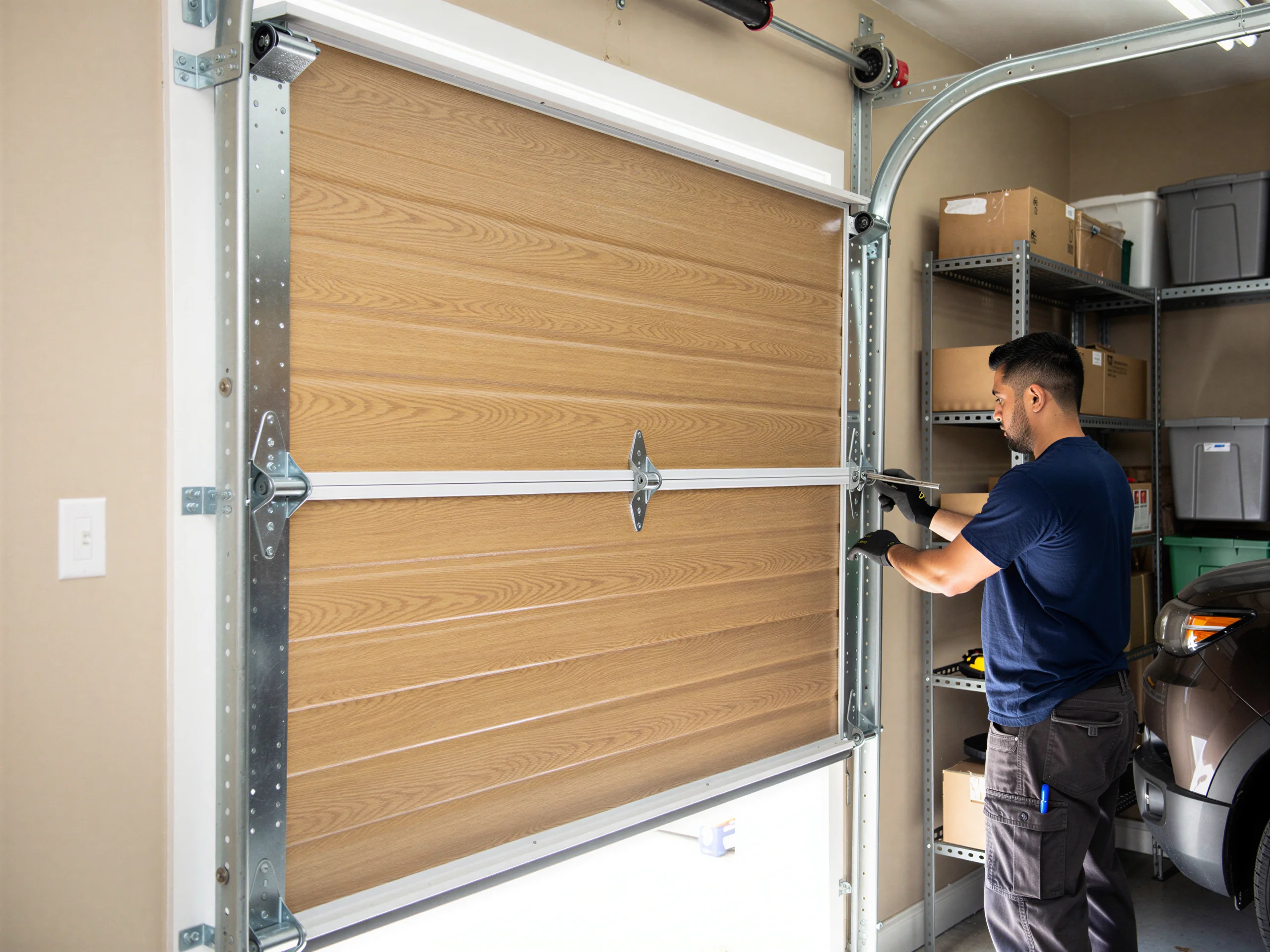
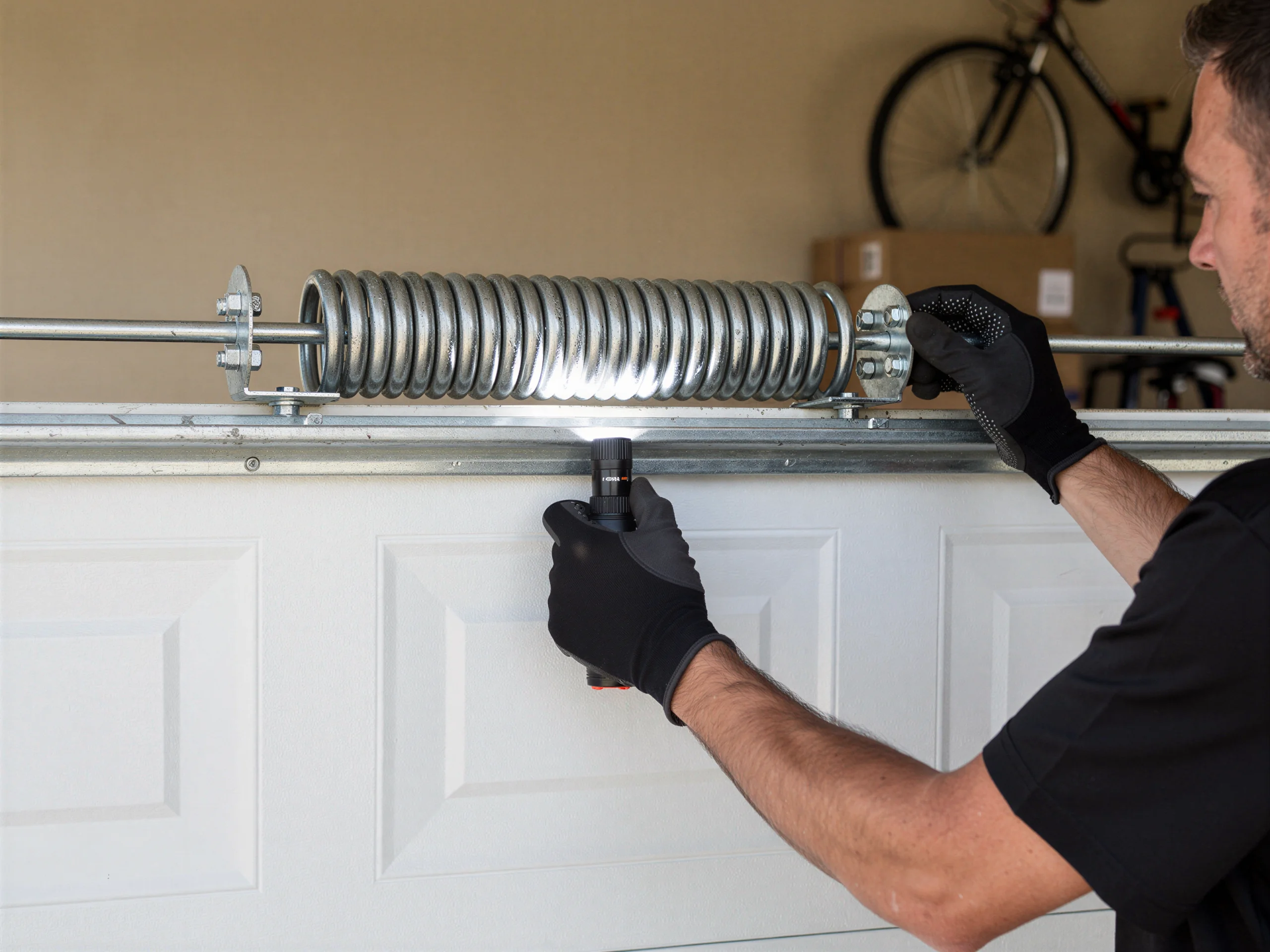
We start by checking whether this is a torsion spring overhead or an older extension-spring setup on the side rails, since both styles show up on doors from the early 1970s depending on who built the house.
Torsion swap sequence
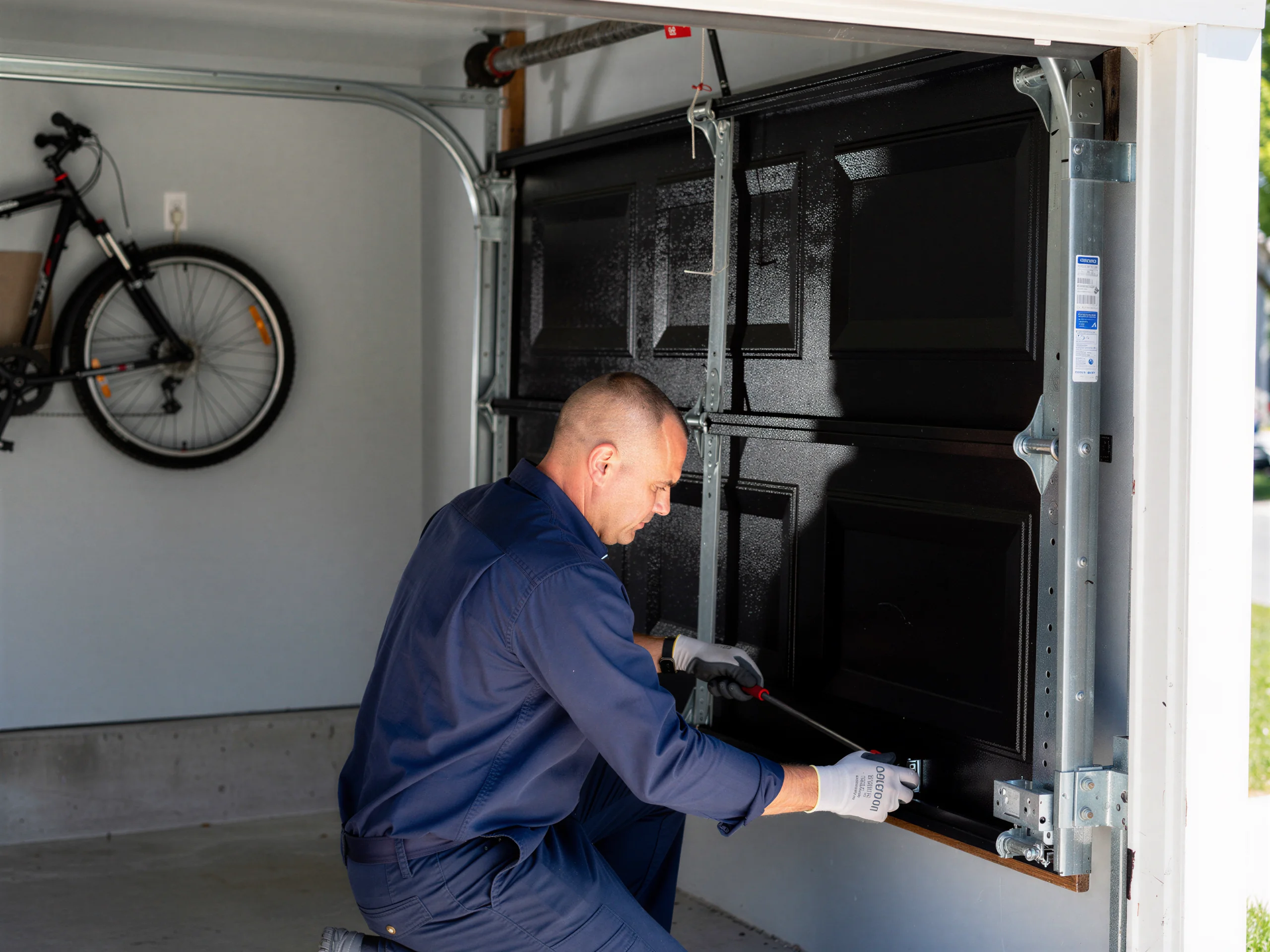
Torsion jobs mean winding down the old spring safely, pulling the center bracket, fitting the new spring to the shaft, and balancing the door so it holds at waist height without drifting. Extension spring jobs are simpler mechanically but we check the safety cables either way, since a lot of older installs never had them run at all.
Post-install cycle testing
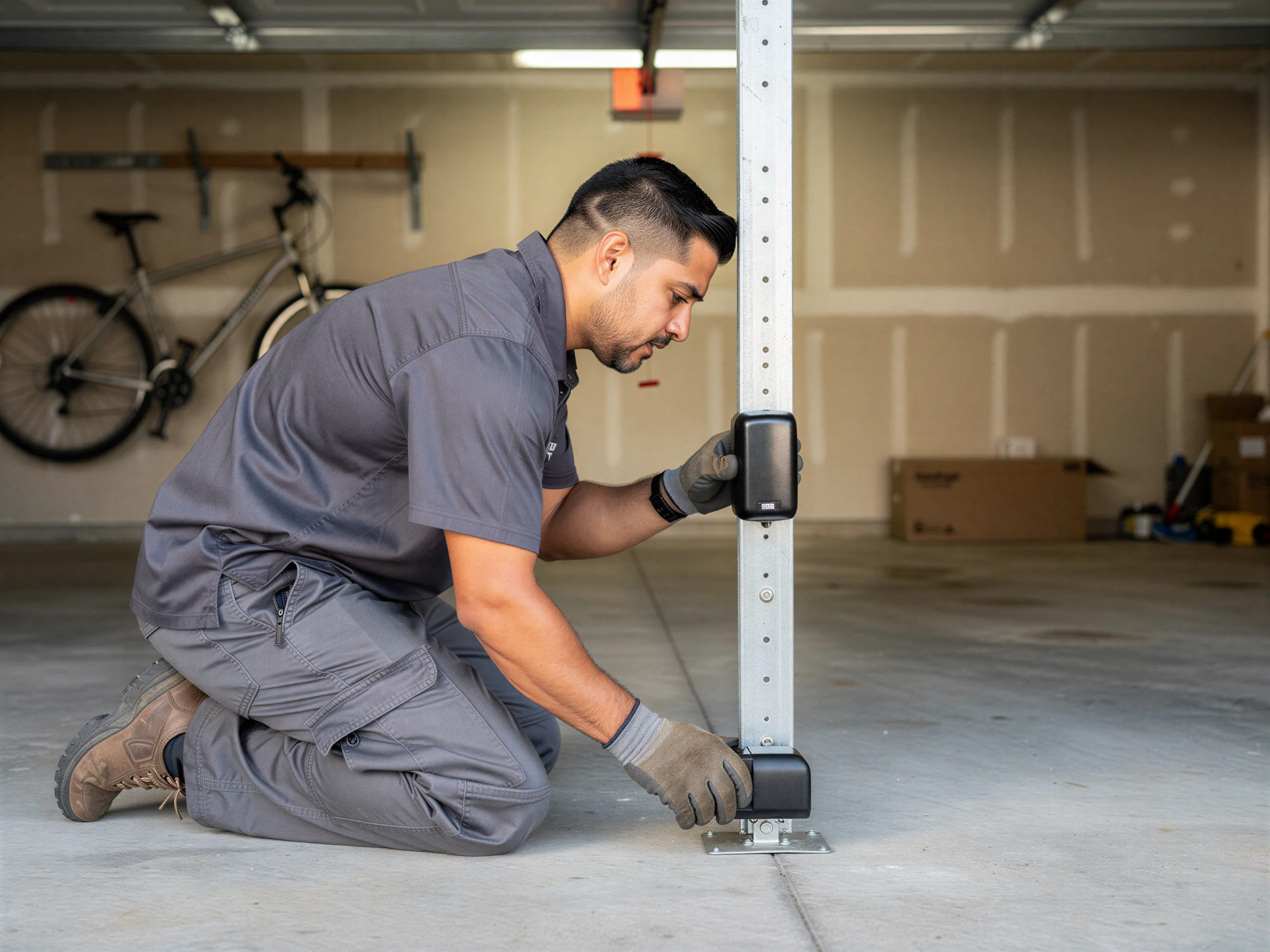
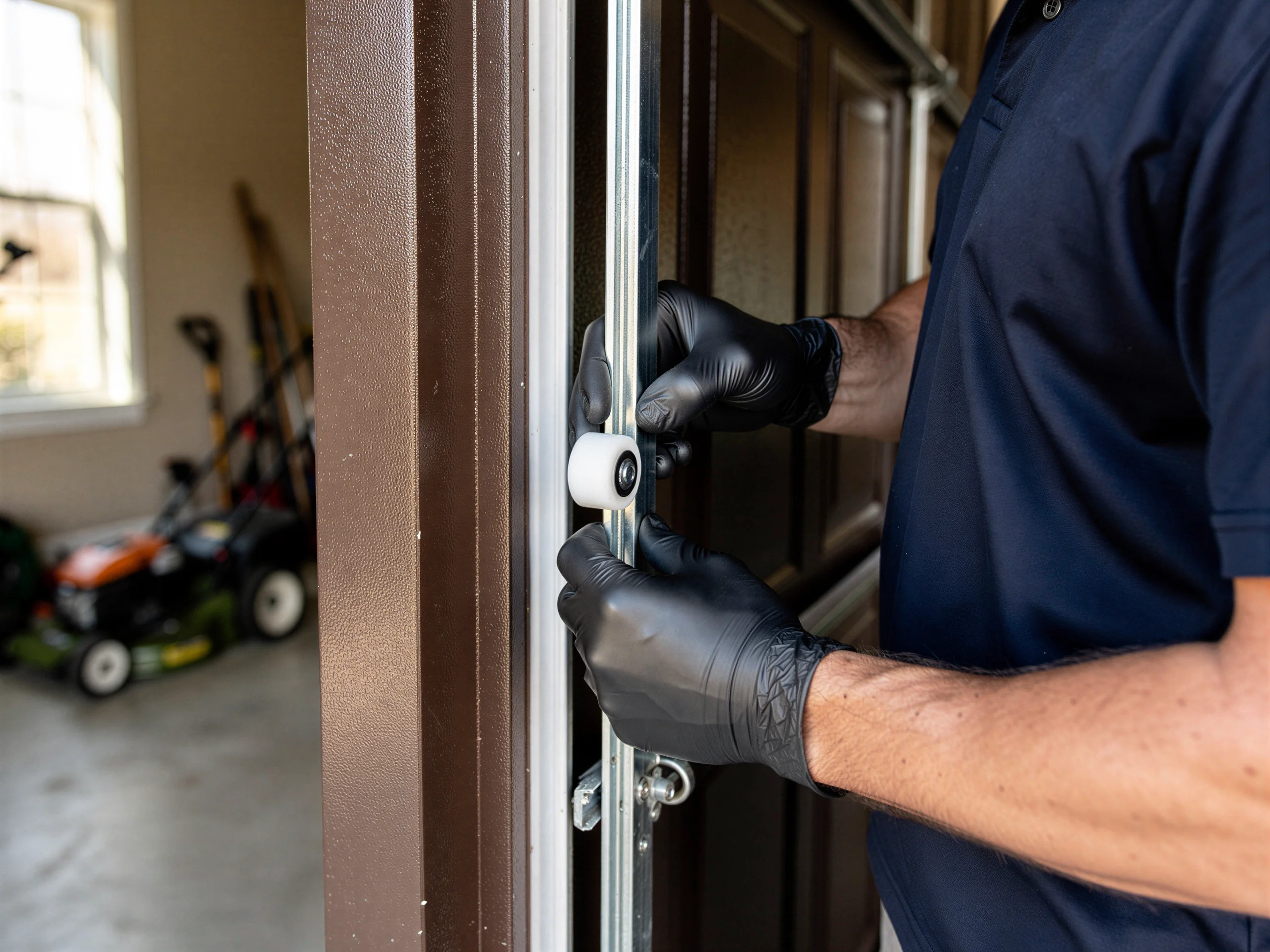
Once the spring's on, we test the door through several full cycles, check the opener's force settings if there is one, and lubricate the rollers and hinges while we're already in there. We don't walk away until the door opens and closes evenly on its own.
The Cost of This Job
We're not going to put a number here that isn't backed by a quote, because spring jobs vary with door weight, whether it's one spring or a pair, and whether the drums or cables need replacing alongside it. What we will say is that Camanche's median household income, at $68,727, runs lower than the wider service area's $84,380, and we price the same job the same way regardless of which side of the river it's on - the spring and the labor don't cost more because of a different zip code. Ask for the breakdown when we quote it; you'll see exactly what's steel and what's labor.
The DIY Question
A torsion spring under tension can break a hand or worse if the winding bars slip, and extension springs without safety cables can fly the length of a garage if they let go mid-cycle. This isn't a job we'd talk a homeowner through over the phone, and we won't pretend otherwise. If you're comfortable with general maintenance - lubricating hinges, tightening loose hardware, clearing the track - that's worth doing yourself. Winding or unwinding a spring is not. If your door is original to a 1972 build and has never been serviced, assume the spring is well past any reasonable lifespan and treat it as a when-not-if repair.
Talk to a local pro
Garage door service in Bettendorf?
Same-day service with honest, upfront quotes.