Time on the Job
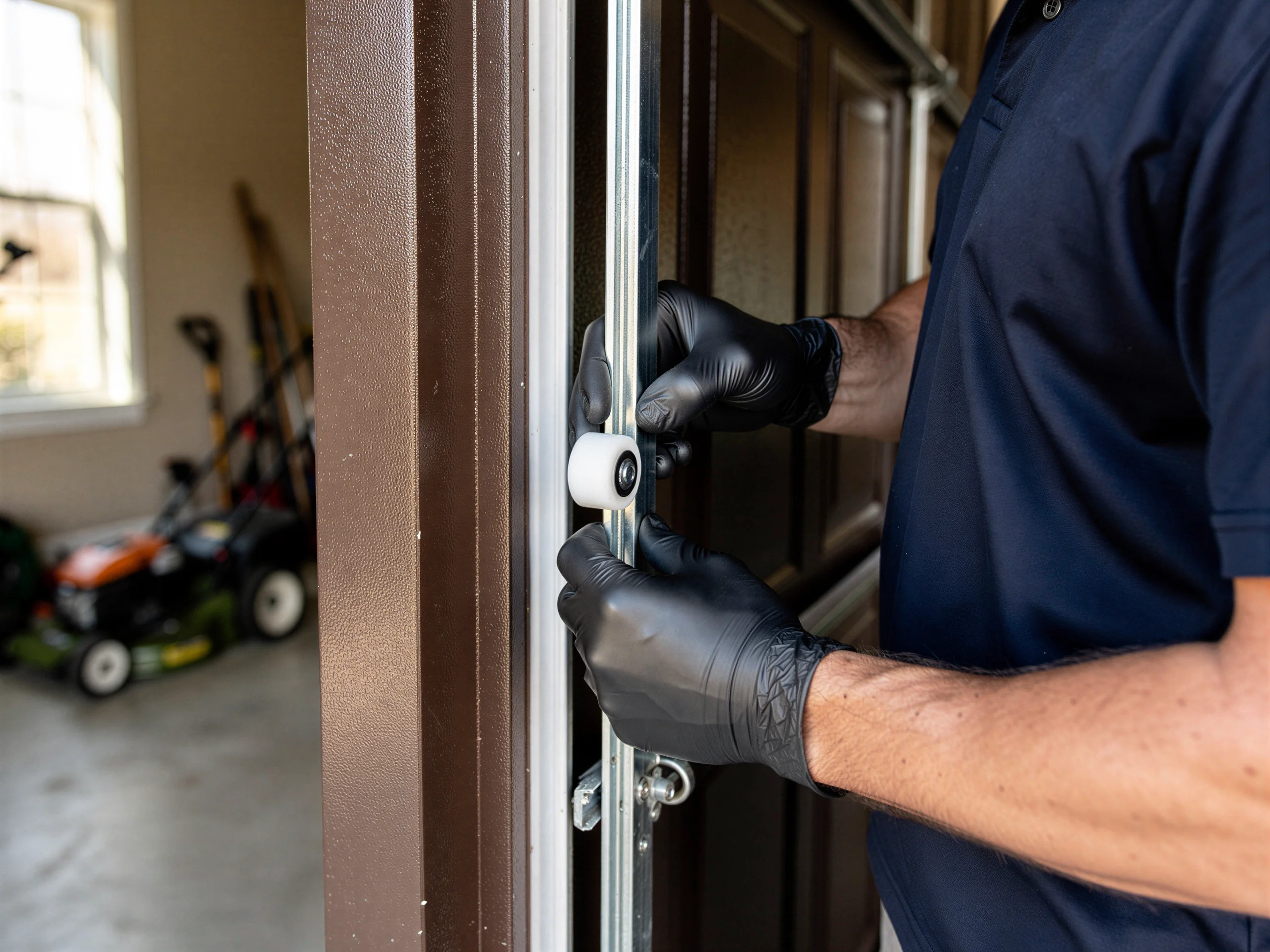
A straight roller swap on a double door runs in the neighborhood of an hour once we're set up, two if the track has to come off to true it back up.
Bundled appointment window
We're coming from Bettendorf, 19 miles out, so we bundle the drive into one appointment window rather than a quick-look-then-return trip. If we get into a track and find it's bent beyond a tune, we'll say so before we start pulling anything apart instead of billing you for a fix that won't hold.
Roller history on doors
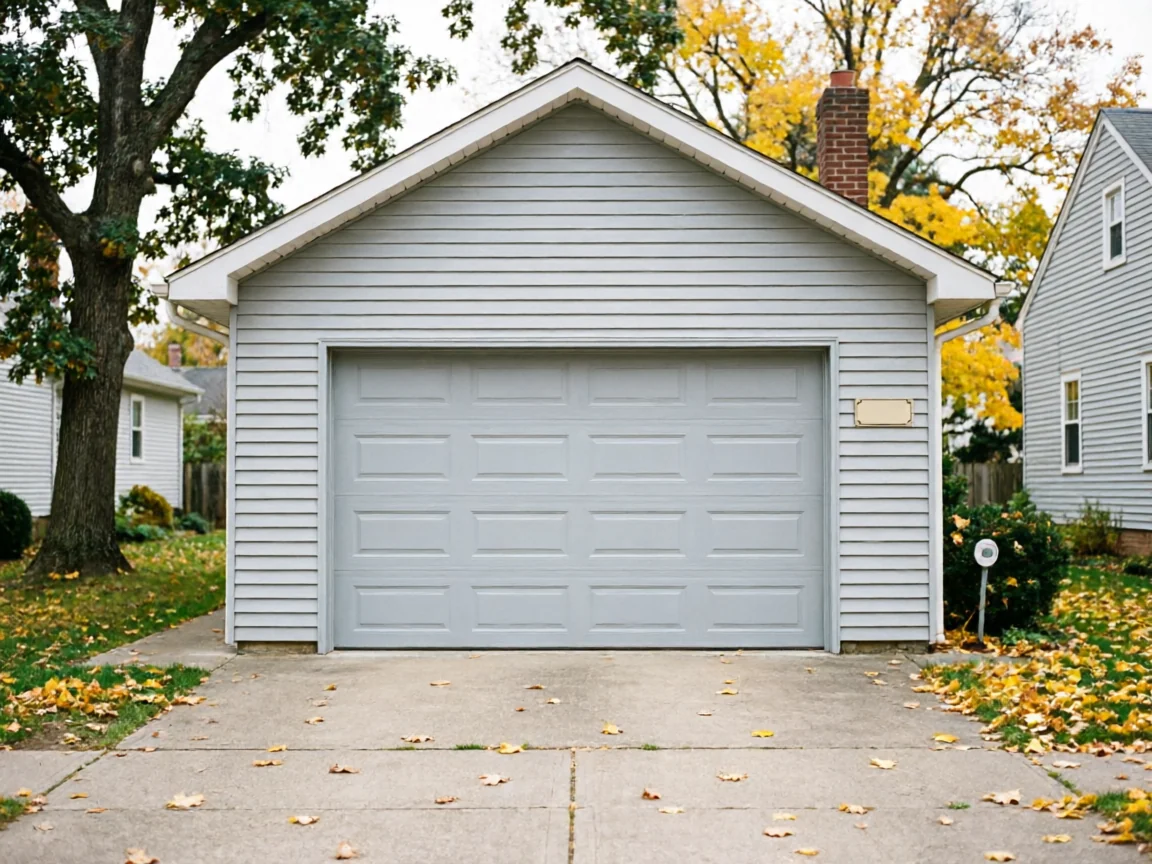
Camanche's housing stock sits at a median build year of 1972, which matters here more than the clock does. A door that old has usually had one roller job already, sometimes none, and the hardware underneath tells us which.
Thin stamped track
Original track from that era was stamped thinner than what ships today, so the same hour-long job can turn into straightening work if nobody's touched the rollers in forty-plus years.
What Causes It Around Here
The fault we see most in this part of the service area is steel rollers worn into an oval on their stem, riding in track that's never been lubricated because the original owner never knew it needed to be. Houses here cluster in the 1960s-70s build range, and that generation of garage door came standard with steel wheels on steel track - no nylon, no sealed bearing, just metal on metal wearing a groove over decades.
The cold climate band this area sits in adds its own wear pattern. Winter condensation inside an unheated garage settles into the track grooves and pits the roller stems with surface rust. That rust doesn't just look bad - it roughens the stem enough that the roller starts binding instead of rolling, which is what makes a door that used to glide start to shudder partway up.
Stocked Parts
We carry the two roller types that actually show up on doors from this build era: 7-ball steel for anyone keeping an original look and nylon stem rollers with sealed bearings for anyone who wants the door quiet again. Both fit the hinge spacing used on 1970s-era doors without us having to special-order a bracket.
What we don't carry on the truck is replacement track sized for anything non-standard - if a door's been modified or widened at some point, that part has to be ordered, and we'll tell you the lead time up front rather than guess at it.
What the Fix Involves
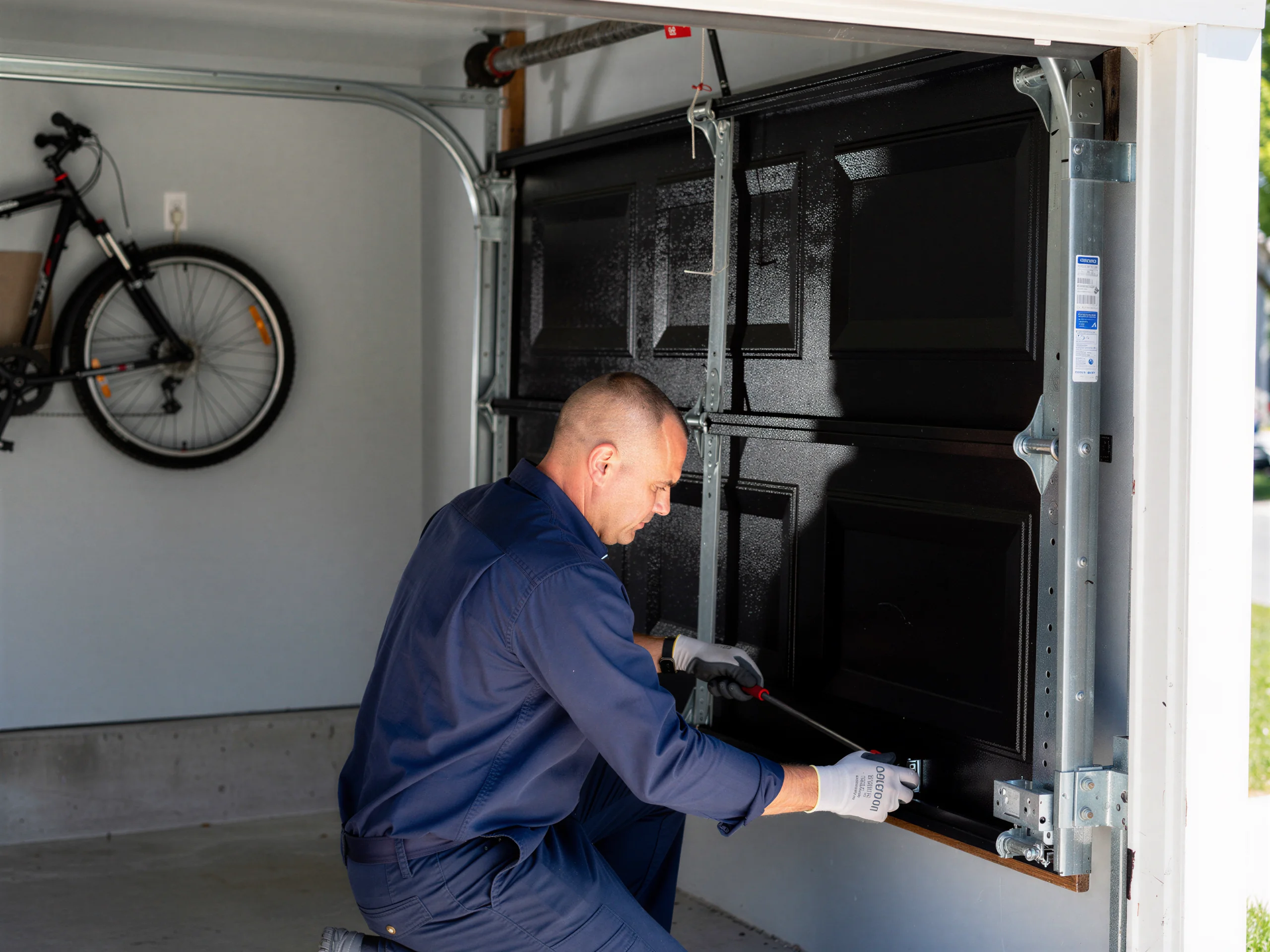
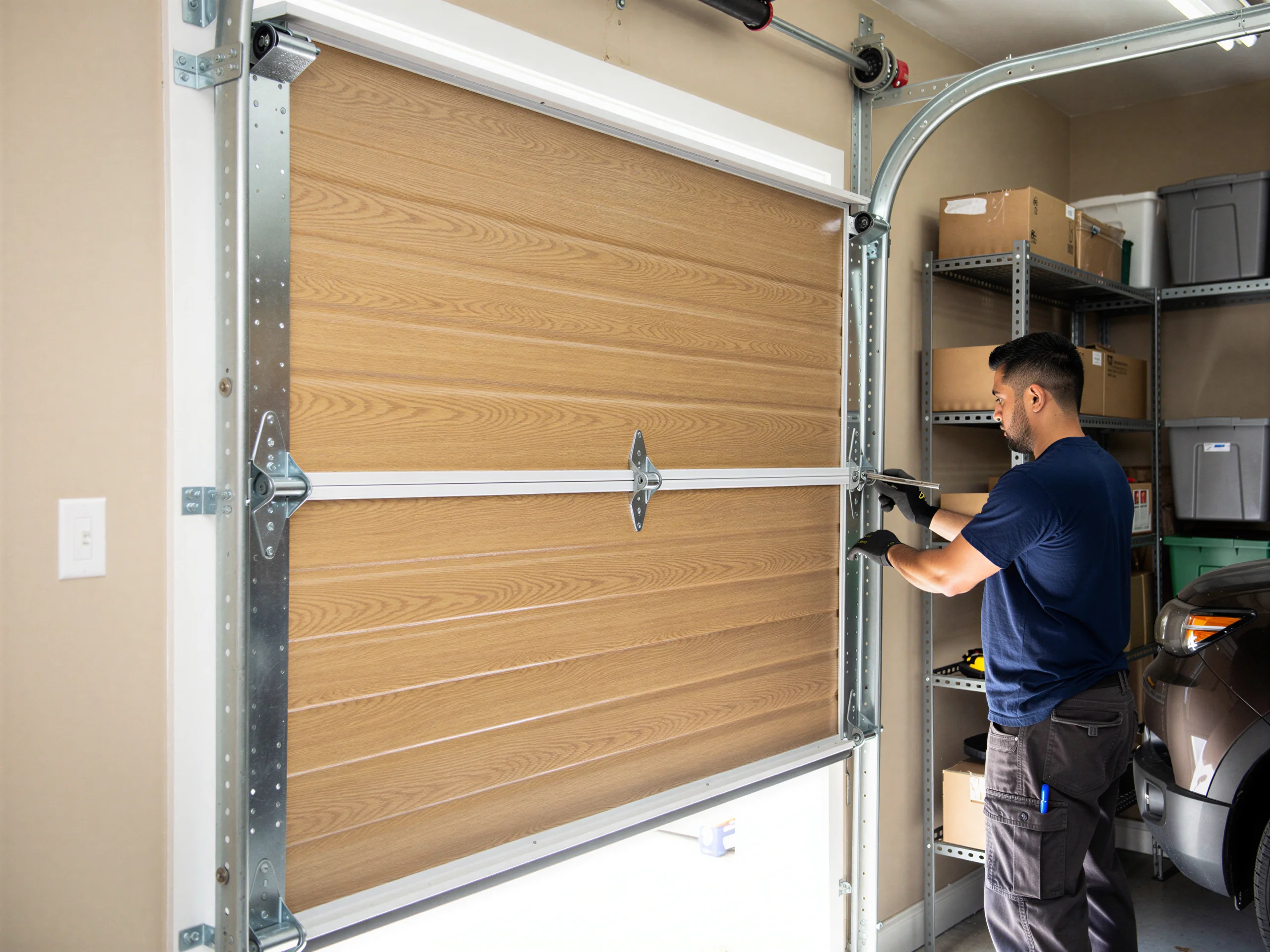
We back the door off the opener, pull the hinges on one side a panel at a time, swap the roller, and reseat it in the track before moving to the next.
Loose track bolts
On a door that's never had this done, we're also checking the track bolts - forty-plus years of vibration loosens them, and a roller riding in a track with play in the brackets will wear out again fast no matter what roller you put in.
Cleaning and truing track
If the stems are rusted enough to have scored the inside of the track, we clean and true the track rather than replace it outright, since full track replacement is a bigger job than what you came in for. We'll show you the worn rollers next to new ones before we close it up, so you're not taking our word for the condition.
The Cost of This Job
We don't publish a flat number here because the spread between a straight swap and a swap-plus-track-straightening is real, and we'd rather quote the actual door than give you a figure that doesn't match what we find. What we can tell you is that this job scales with household budgets differently than it does in Bettendorf proper - median household income here runs $68,727, noticeably under the wider service area's $84,380, and we price the same part the same way regardless of which side of the river you're on.
What drives the number up isn't the rollers themselves, it's whether the track needs work alongside them. We'll separate those two costs on the quote so you can see which part of the job is actually adding time.
The DIY Question
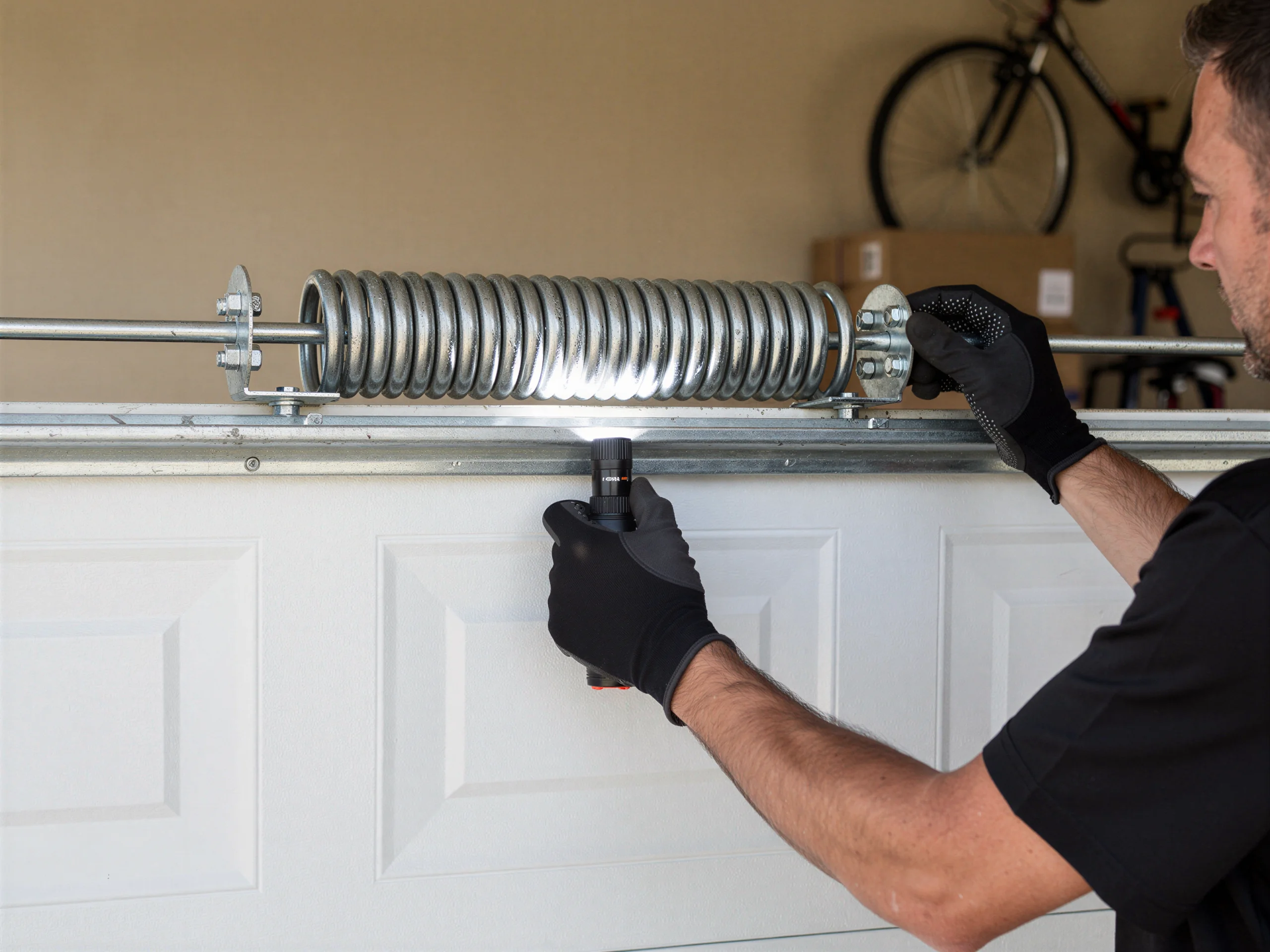
Swapping a roller on an unloaded section with the door down and the opener disconnected is within reach for someone comfortable with a wrench and a ladder. Where it stops being a weekend project is the bottom section, where the roller sits near a cable under spring tension - pull the wrong hinge there and the door can drop or the cable can whip.
With roughly 1,942 households in Camanche running doors from the same build era, we see the same mistake often enough to flag it: people replace the rollers but skip the rusted track bolts underneath, and the door's back to shuddering within a season. If you're doing it yourself, check those bolts while you're in there - it costs nothing and it's half the reason the roller wore out in the first place.
Talk to a local pro
Garage door service in Bettendorf?
Same-day service with honest, upfront quotes.